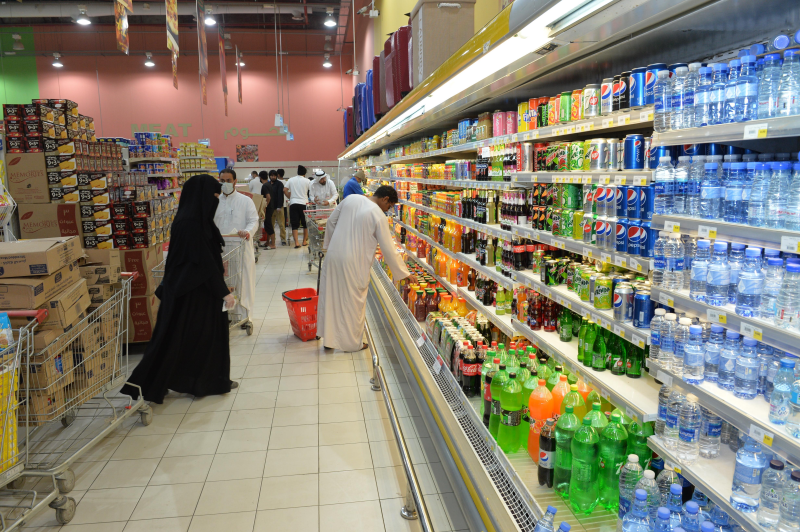

RIYADH — A new sugar tax policy for sweetened beverages in Saudi Arabia will take effect on January 1, 2026, Minister of Industry and Mineral Resources Bandar Alkhorayef announced. The revised tax structure, designed to improve public health and encourage product innovation, addresses long-standing concerns from the industrial sector regarding the previous flat-rate system. This change impacts beverage manufacturers and consumers across the Kingdom.
The announcement resolves a key issue raised by Saudi industrialists, according to the ministry. The new policy follows a comprehensive agreement between the Ministry of Finance, the Zakat, Tax and Customs Authority, and the Ministry of Health, and also considers coordination with other Gulf Cooperation Council (GCC) member states. The implementation date provides businesses with a period to adjust to the new regulations.
Understanding the New Sugar Tax Policy
The previous system imposed a fixed 50 percent selective tax on the retail price of taxable sweetened beverages. However, the GCC’s Financial and Economic Cooperation Committee recently adopted a revised methodology. The new approach utilizes a tiered volumetric system, assessing tax based on the amount of sugar present in 100 milliliters of the ready-to-drink beverage.
How the Tiered System Works
Under the tiered system, beverages will be categorized into different tax brackets based on their sugar content. Drinks with higher sugar levels will be subject to a greater tax rate, while those with lower sugar content will face a reduced tax burden. This incentivizes manufacturers to reformulate products and reduce added sugars. The specific tax rates for each tier have not yet been publicly detailed, but are expected to be released by the Zakat, Tax and Customs Authority.
Sweetened beverages are broadly defined to include any product with added sugar, artificial sweeteners, or other sweetening agents intended for consumption as a drink. This encompasses a wide range of products, including ready-to-drink beverages, concentrates, powders, gels, and extracts that can be reconstituted into beverages.
Rationale Behind the Policy Shift
The primary goal of the sugar tax is to discourage the consumption of sugary drinks and improve public health outcomes. Saudi Arabia, like many nations globally, is addressing rising rates of obesity, diabetes, and dental problems linked to high sugar intake. The ministry stated the policy aims to strike a balance between public health objectives and supporting the beverage industry.
Additionally, the tiered system is intended to promote innovation within the industry. By creating a financial incentive to reduce sugar content, the policy encourages companies to develop and market healthier beverage options. This aligns with broader government initiatives to promote healthy lifestyles and reduce the burden of non-communicable diseases.
The complexity of implementing this policy stemmed from the need for regional harmonization within the GCC. Coordinating tax policies across multiple countries requires consensus and careful consideration of potential economic impacts. The GCC’s decision to amend the methodology reflects a unified approach to addressing public health concerns related to sweetened beverages.
Minister Alkhorayef emphasized the Kingdom’s commitment to collaborating with the private sector to address challenges. He acknowledged the ongoing difficulties faced by the industrial sector, citing global changes and crises. The government’s willingness to engage in negotiations and find solutions demonstrates its support for economic growth and diversification.
The move towards a tiered tax on sugar is part of a wider trend globally. Several countries, including the United Kingdom and Mexico, have implemented similar policies with varying degrees of success. The effectiveness of these taxes often depends on factors such as consumer behavior, industry response, and the availability of affordable healthy alternatives.
The implementation of the new policy is expected to have implications for both consumers and beverage manufacturers. Consumers may see price increases on some sugary drinks, while manufacturers will need to adapt their product formulations and pricing strategies. The impact on the overall beverage market remains to be seen.
Looking ahead, the Zakat, Tax and Customs Authority is expected to release detailed guidelines on the implementation of the tiered tax system, including specific rates for each sugar content bracket. Industry stakeholders will be closely monitoring these guidelines to prepare for the January 1, 2026, deadline. Further analysis will be needed to assess the long-term effects of the policy on public health and the Saudi Arabian economy, as well as the potential for further adjustments based on observed outcomes and regional developments in taxation of unhealthy foods.