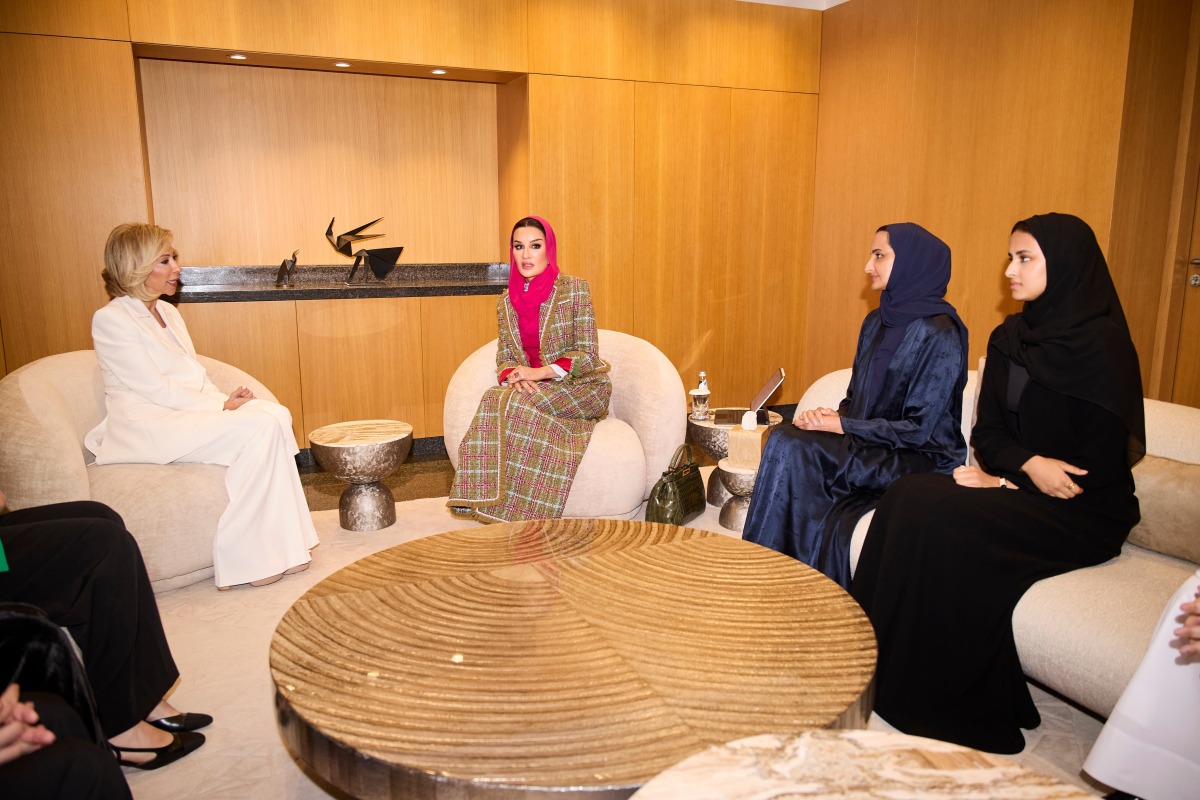

Her Highness Sheikha Moza bint Nasser, Chairperson of Qatar Foundation and Education Above All (EAA) Foundation, convened with the First Lady of Lebanon, HE Nehmat Aoun, in Doha on Tuesday. The meeting, held on the sidelines of the World Innovation Summit for education, centered on bolstering collaborative efforts in providing quality education, fostering youth economic empowerment, and exploring innovative partnerships in educational development. This discussion underscores Qatar’s continued commitment to supporting educational initiatives globally.
The encounter took place as WISE 2025 continues, bringing together global leaders and experts to address pressing challenges in the field of education. According to reports from the event, the focus was on strengthening existing ties between Qatar and Lebanon, particularly in areas where Qatar’s expertise and resources can contribute to positive change. The meeting signals a renewed focus on regional collaboration in addressing educational disparities.
Strengthening Qatar’s Role in Global Education Initiatives
Qatar has long been a proponent of investing in education as a cornerstone of sustainable development. Through organizations like Qatar Foundation and EAA, the nation has consistently supported projects aimed at improving access to quality learning opportunities worldwide. This meeting with the Lebanese First Lady represents a continuation of this strategy, specifically targeting areas of need within Lebanon’s educational system.
Focus on Youth Empowerment
A key component of the discussion involved youth economic empowerment. Lebanon has faced significant economic challenges in recent years, impacting opportunities for young people. The EAA Foundation, known for its work in providing access to education for marginalized children and youth, is exploring ways to expand its programs to address these specific needs. This includes potential initiatives focused on vocational training and skills development.
Innovation in Educational Development
The leaders also discussed avenues for strengthening partnerships focused on innovation in educational and development initiatives. WISE, as a platform for showcasing cutting-edge educational practices, provided a natural setting for these conversations. Qatar Foundation has been a leader in adopting and implementing innovative educational technologies and approaches, and the potential for sharing these best practices with Lebanon was a central theme.
However, the situation in Lebanon remains complex. Political and economic instability continue to pose significant hurdles to implementing long-term educational reforms. According to the World Bank, Lebanon’s education sector has been severely impacted by the ongoing crisis, with declining enrollment rates and a shortage of qualified teachers.
Meanwhile, Qatar’s commitment to supporting education extends beyond Lebanon. The country has ongoing partnerships with numerous organizations and governments across the globe, focusing on areas such as teacher training, curriculum development, and access to educational resources. These initiatives are often tailored to the specific needs of each region, reflecting a nuanced understanding of the challenges involved.
In contrast to some aid models, Qatar’s approach emphasizes sustainability and local ownership. The goal is not simply to provide short-term assistance, but to empower communities to build their own capacity for delivering quality education. This is reflected in the EAA Foundation’s focus on supporting local organizations and initiatives.
The meeting between Sheikha Moza and Nehmat Aoun builds upon existing collaborations. Qatar has previously provided assistance to Lebanon’s education sector, including financial support for scholarships and infrastructure development. This latest discussion suggests a desire to deepen these partnerships and explore new areas of cooperation, particularly in light of Lebanon’s ongoing challenges. Related areas of focus include Education Above All’s programs and Qatar Foundation’s research initiatives.
Looking ahead, further details regarding specific collaborative projects are expected to be announced in the coming months. The success of these initiatives will depend on a number of factors, including the political and economic situation in Lebanon, as well as the ability to effectively coordinate efforts between the various stakeholders involved. Monitoring the implementation of these partnerships and assessing their impact on educational outcomes will be crucial in determining the long-term effectiveness of this renewed commitment to education in Lebanon and the broader region. The next major event to watch is the full report from WISE 2025, expected by the end of the year.
Additional information on WISE can be found on their official website.