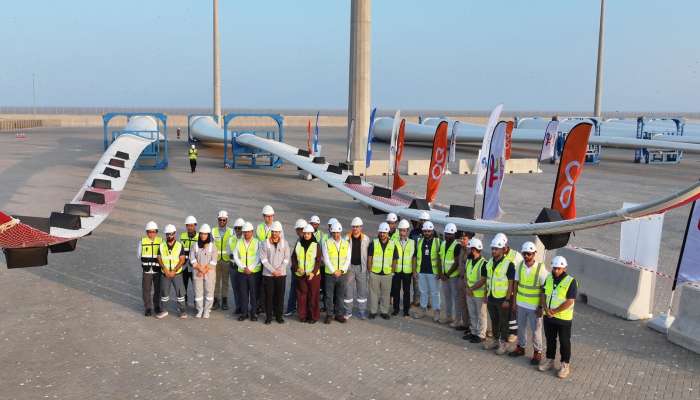

Oman is taking significant strides towards a sustainable future with the arrival of the first wind turbine shipments for the groundbreaking Riyah 1 and Riyah 2 projects. Developed by OQ Alternative Energy (OQAE), the renewable energy arm of OQ, in partnership with TotalEnergies Renewables, these projects are poised to become the largest wind farms in Oman, marking a pivotal moment in the nation’s energy transition. This initiative underscores Oman’s commitment to diversifying its energy sources and reducing its carbon footprint.
A New Era for Wind Energy in Oman
The delivery of these turbines represents a major milestone for OQAE and the Sultanate of Oman as a whole. Riyah 1 and Riyah 2 will collectively boast 36 wind turbines, generating a substantial 234 megawatts (MW) of clean electricity. This capacity will not only contribute to a greener energy mix but also address the increasing demand for power from Oman’s growing industrial sector. The projects are strategically located to maximize wind resource potential and minimize environmental impact.
Strategic Partnership Driving Innovation
The collaboration between OQAE and TotalEnergies Renewables has been instrumental in bringing these ambitious projects to fruition. TotalEnergies brings extensive global experience in developing and operating renewable energy facilities, complementing OQAE’s deep understanding of the Omani energy landscape. This synergy has facilitated the efficient deployment of cutting-edge wind turbine technology and best practices in project management. The partnership highlights Oman’s openness to international collaboration in achieving its sustainability goals.
Boosting Oman’s Clean Energy Ambitions
These wind power projects are far more than just electricity generation facilities; they are a catalyst for broader change within Oman’s energy sector. By harnessing the power of the wind, the country can reduce its reliance on natural gas for domestic power consumption. This, in turn, frees up valuable natural gas resources for export, bolstering the national economy and strengthening Oman’s position in the global energy market. The long-term economic benefits are expected to be considerable.
Furthermore, the development of Riyah 1 and Riyah 2 is expected to stimulate growth in the local renewable energy supply chain. This includes opportunities for local businesses to participate in the construction, operation, and maintenance of the wind farms, creating jobs and fostering technological expertise within the country. Investing in renewable energy sources is a key component of Oman’s economic diversification strategy.
Aligning with Oman Vision 2040
The Riyah wind farms are intrinsically linked to Oman Vision 2040, the nation’s strategic roadmap for sustainable development. This vision places a strong emphasis on economic diversification, innovation, and environmental responsibility. The projects directly contribute to these objectives by promoting a cleaner energy future and fostering a more resilient economy.
Specifically, the initiative supports the vision’s goals related to increasing the contribution of renewable energy to the overall energy mix. Oman aims to significantly reduce its carbon emissions and transition towards a more sustainable energy system, and Riyah 1 and Riyah 2 are crucial steps in achieving this ambition. The success of these projects will pave the way for further investment in solar and wind energy across the Sultanate.
Future Implications and Regional Impact
Beyond their immediate impact, the Riyah wind farms are expected to serve as a model for future large-scale renewable energy projects in Oman and the wider Gulf region. The experience gained from developing and operating these facilities will enhance the country’s capacity to attract further investment in the sector and accelerate the deployment of clean energy technologies.
The projects will also contribute to Oman’s growing reputation as a leader in sustainable development within the region. By demonstrating its commitment to renewable energy, Oman can inspire other countries to follow suit and collectively address the challenges of climate change. This leadership position is vital for securing a sustainable future for the region.
The arrival of the wind turbine shipments is a tangible demonstration of Oman’s progress towards a cleaner, more diversified, and sustainable energy future. The wind farms in Oman, once fully operational, will be a landmark achievement, showcasing the nation’s commitment to environmental stewardship and economic growth.
To learn more about Oman’s energy transition and the Riyah projects, visit the OQ Alternative Energy website and explore the latest updates on renewable energy initiatives in the Sultanate. The future of energy in Oman is bright, and these projects are a testament to the power of innovation and collaboration.