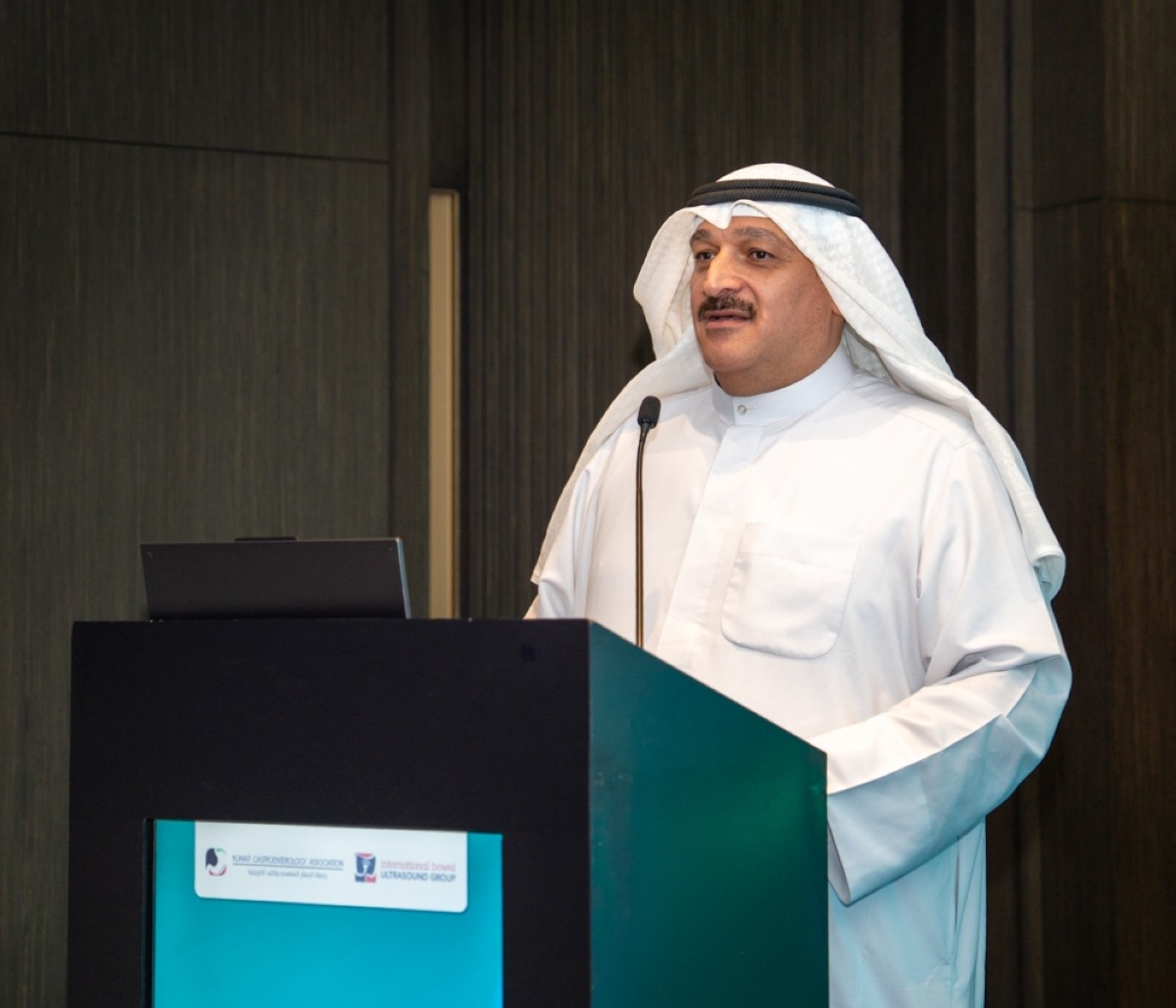

Kuwait is significantly bolstering its healthcare capabilities with a new focus on advanced diagnostic techniques. Recent training initiatives, particularly a workshop on intestinal ultrasound technology, demonstrate the nation’s commitment to modernizing its medical practices and enhancing patient care. This workshop, a collaboration between the Kuwaiti Gastroenterology and Hepatology Association and the International Organization for Intestinal and Gastrointestinal Ultrasound (IBUS), marks a pivotal step in strengthening rehabilitation programs and building capacity within Kuwait’s health sector.
Kuwait Advances Digestive Health with Intestinal Ultrasound Training
The Ministry of Health’s strong support for this initiative underscores its dedication to continuous professional development for its medical staff. Minister of Health Dr. Ahmad Al-Awadhi, speaking at the workshop, emphasized the strategic importance of training doctors, nurses, and technicians in cutting-edge medical technologies. The workshop itself is qualifying 36 physicians from Kuwait, GCC countries, and other Arab nations in the application of intestinal ultrasound for the diagnosis of digestive system diseases.
This represents a significant shift in diagnostic methodology. Traditionally, ultrasound scans for digestive patients have been the domain of radiologists. However, empowering gastroenterologists with this skill promises to streamline the diagnostic process and improve overall efficiency. Dr. Al-Awadhi reiterated that ongoing professional training remains a top priority for the Ministry, both presently and in the future.
Expanding Diagnostic Capabilities in the Region
The workshop isn’t just benefiting Kuwaiti doctors; it’s fostering regional collaboration and knowledge sharing. Participants from across the GCC and the wider Arab world are gaining valuable expertise, contributing to a broader improvement in healthcare standards. This collaborative approach positions Kuwait as a leader in medical innovation within the region. The focus on gastrointestinal imaging is particularly timely, given the increasing prevalence of digestive disorders.
International Expertise Fuels Kuwait’s Medical Advancement
The success of the workshop is also attributable to the caliber of international experts involved. Dr. Heba Al-Farhan, President of the Kuwaiti Association of Gastroenterologists and Hepatologists, highlighted the participation of leading specialists from Germany, Britain, Canada, Belgium, India, and Italy. These experts are sharing the latest techniques for diagnosing inflammatory bowel diseases (IBD) using ultrasound.
Dr. Al-Farhan explained that Kuwait’s selection as the host nation reflects international confidence in the competence of its medical professionals and the association’s proven ability to organize high-quality educational events. This demonstrates Kuwait’s growing reputation as a regional scientific hub, capable of attracting and hosting world-class medical training programs.
The Benefits of Intestinal Ultrasound for IBD
Intestinal ultrasound offers several advantages over traditional diagnostic methods for IBD. It’s a non-invasive procedure, meaning it doesn’t require incisions or injections. It’s also faster and provides more precise assessments of inflammatory bowel disease activity. This leads to quicker diagnoses, more effective treatment plans, and ultimately, improved patient outcomes.
Furthermore, the technology allows for better monitoring of treatment response, enabling doctors to adjust therapies as needed. This personalized approach to care is becoming increasingly important in managing chronic conditions like IBD. The use of advanced diagnostic ultrasound is therefore a crucial step forward in gastroenterological care.
A Future Focused on Healthcare Excellence
The Ministry of Health’s investment in this training workshop is a clear indication of its commitment to providing the highest quality healthcare to its citizens and the region. By embracing innovative technologies like intestinal ultrasound and fostering collaboration with international experts, Kuwait is positioning itself at the forefront of medical advancement.
This initiative not only enhances the skills of medical professionals but also strengthens the overall healthcare infrastructure. As Dr. Al-Awadhi emphasized, continuous training and development are essential for maintaining a robust and responsive healthcare system. The success of this workshop serves as a model for future initiatives aimed at improving patient care and solidifying Kuwait’s position as a leading healthcare provider in the Middle East. To learn more about advancements in Kuwaiti healthcare, visit the Ministry of Health’s official website or explore resources on gastroenterology and hepatology.