
RIYADH – A surge in bilateral economic ties culminated in the signing of 22 investment agreements between Saudi Arabia and Italy on Tuesday, signaling a deepening strategic partnership. The agreements, spanning sectors from telecommunications to tourism, were formalized during the Saudi-Italian Investment and Business Forum held in Riyadh. This event underscores Saudi Arabia’s push to diversify its economy and attract foreign capital as part of Vision 2030.
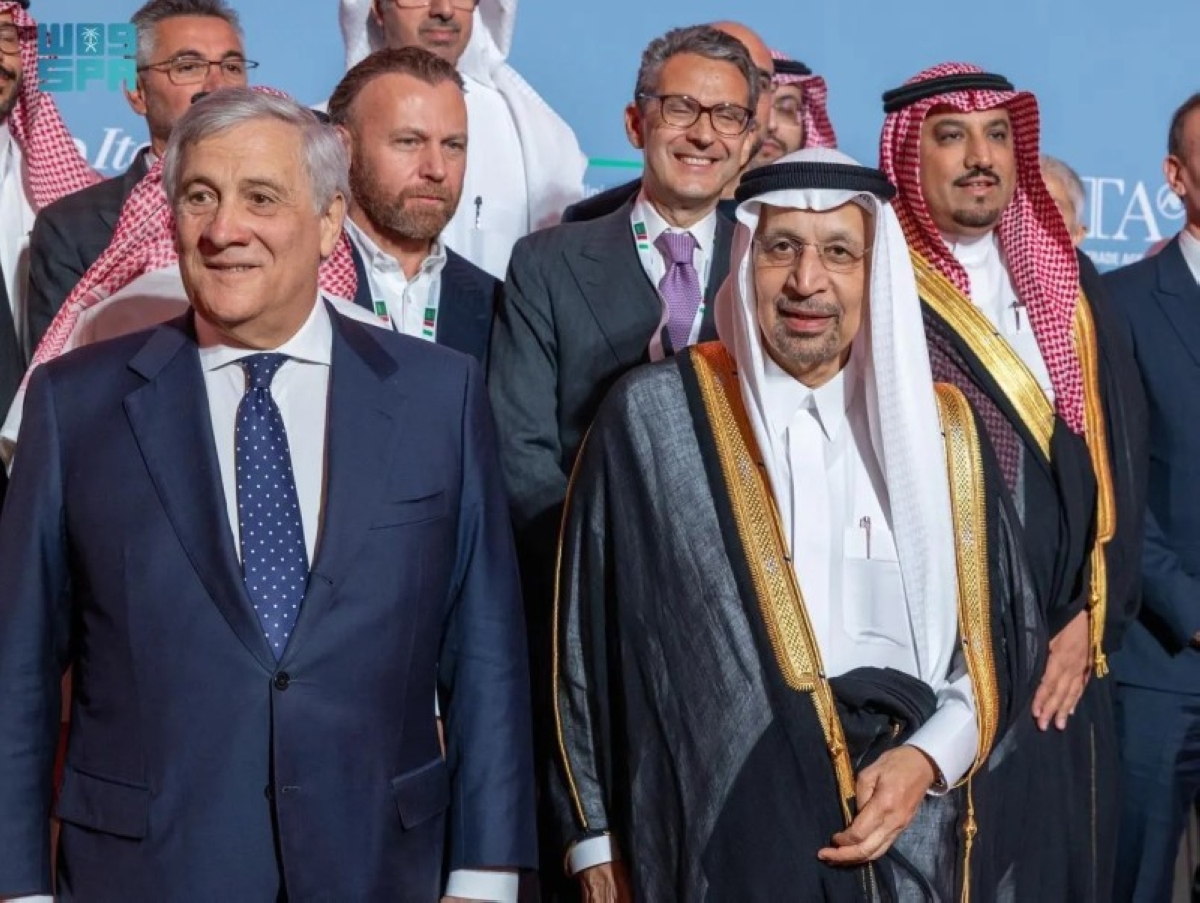
The forum, attended by 1,600 participants including over 600 Italian companies, was presided over by Saudi Minister of Investment Khalid Al-Falih and Italian Deputy Prime Minister Antonio Tajani. The agreements represent a significant step in strengthening economic cooperation between the two nations, building on decades of established relations. The event took place amidst a broader series of joint investment meetings and high-level diplomatic engagements.
Strengthening Saudi-Italian Investment Ties
According to the Saudi Ministry of Investment, the agreements signed cover a diverse range of sectors crucial to Saudi Arabia’s economic diversification goals. These include telecommunications, information technology, trade, tourism, healthcare, agriculture, water management, culture, and sports. The total value of the agreements exceeds $10 billion, building on previous commitments made following the Al-Ula Summit.
A Historic Partnership
Minister Al-Falih emphasized the historical depth of the relationship, noting that Italy was among the first countries to establish formal diplomatic ties with the Kingdom in the 1930s. Over the years, this relationship has evolved into a strategic partnership encompassing energy, industry, and cultural exchange. The Al-Ula Summit and the subsequent establishment of the Saudi-Italian Strategic Partnership Council have been pivotal in accelerating this collaboration.
The forum’s success is attributed to strong participation from the private sector. Minister Al-Falih highlighted the unprecedented turnout, with 800 Italian companies represented. This demonstrates a serious commitment from both sides to expand economic cooperation and explore new opportunities for growth. The Italian delegation also undertook site visits to key Saudi projects, including developments in Diriyah.
Focus on Key Sectors and Future Collaboration
Energy collaboration remains a cornerstone of the Saudi-Italian partnership. Companies like Saudi Aramco, SABIC, and ACWA Power are working with Italian firms such as Eni, Enel, and Saipem on projects related to clean hydrogen, renewable energy, smart grids, and the circular carbon economy. This reflects a shared commitment to sustainable energy solutions and reducing carbon emissions.
Additionally, Italian companies are playing a key role in supporting Saudi Arabia’s ambitions in advanced industries. Leonardo, Fincantieri, and Electrónica are contributing to the Kingdom’s programs in defense, space, and cybersecurity. These companies are also positioned to benefit from Saudi Arabia’s initiatives to attract energy-intensive industries and its broader green transformation efforts. The Kingdom is actively seeking to attract foreign direct investment to support these initiatives.
The forum also served as a platform to showcase recent developments in the Saudi economy, including major projects and infrastructure advancements. These developments are designed to create opportunities for both public and private sector entities, fostering a more dynamic and competitive business environment. The Ministry of Investment is actively promoting these opportunities to international investors.
Meanwhile, Italy’s early confirmation of its participation in Expo 2030 Riyadh further solidifies the strength of the bilateral relationship. This commitment demonstrates Italy’s confidence in Saudi Arabia’s ability to host a successful global event and its long-term vision for cooperation with the Kingdom. Expo 2030 is expected to be a major catalyst for economic growth and trade.
The agreements signed represent a significant boost to Saudi Arabia’s efforts to diversify its economy away from oil. The focus on sectors like tourism and technology aligns with the goals of Vision 2030, which aims to create a more sustainable and resilient economy. The Ministry of Investment anticipates further growth in economic relations with Italy in the coming years.
Looking ahead, the Saudi-Italian Strategic Partnership Council will continue to oversee the implementation of these agreements and identify new areas for collaboration. The next steps involve detailed planning and execution of the projects outlined in the agreements, with timelines varying depending on the specific sector and project scope. Monitoring the progress of these initiatives and any potential challenges will be crucial in assessing the long-term impact of this strengthened partnership.