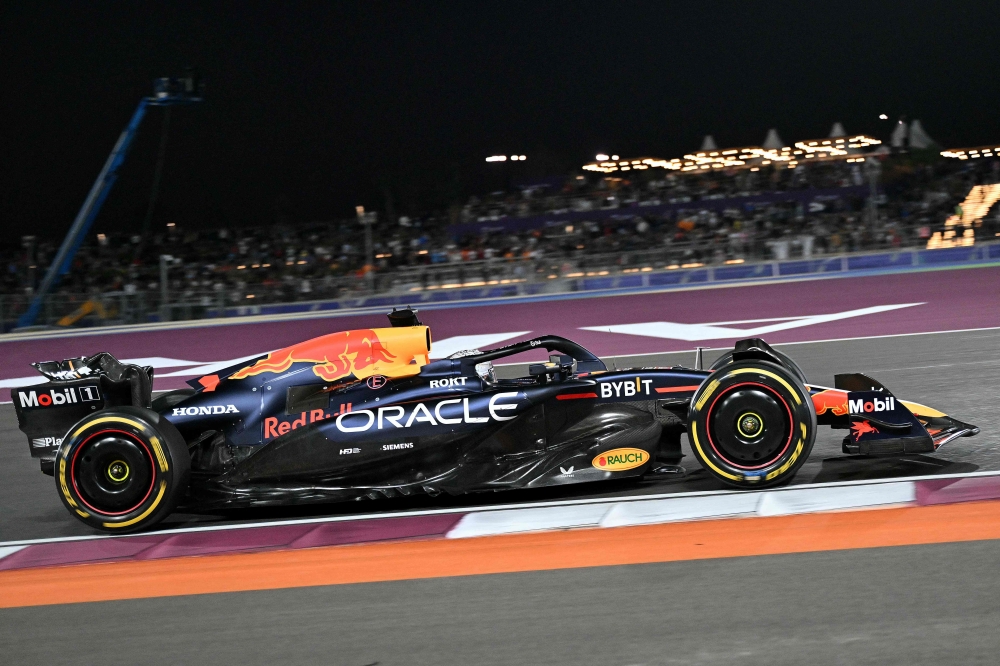

The 2025 Formula 1 Qatar Airways Qatar Grand Prix is poised to elevate the Middle East’s role in motorsports, according to Federation Internationale de l’Automobile (FIA) President Mohammed Ben Sulayem. The race, scheduled for next Sunday at the Lusail International Circuit, comes as the Formula 1 Championship nears its critical final stages. Ben Sulayem emphasized the event’s significance in developing talent and expanding global participation in the sport, particularly within the region.
The penultimate round of the 2024 championship will be held at the Lusail circuit, which has quickly become a key venue for both racing and driver development. Qatar first hosted a Formula 1 race in 2021, and the circuit’s advanced design and modern facilities have made it a popular stop for teams and fans alike. The event is expected to draw a large international audience and further solidify Qatar’s position as a motorsport hub.
The Growing Importance of Formula 1 in the Middle East
Ben Sulayem stated that the Qatar Grand Prix represents more than just a single race; it symbolizes Qatar’s broader ambition to cultivate motorsports from the grassroots level to the international stage. This commitment is evidenced by investments in karting programs, the Middle East Formula 4 Championship, and initiatives to train race officials and volunteers. The FIA is actively working to make motorsports more inclusive and diverse, with a particular focus on providing opportunities for talent in the Middle East and North Africa.
Lusail International Circuit: A Modern Motorsport Venue
The Lusail International Circuit boasts a 5.38-kilometer track with 16 turns and multiple overtaking zones, contributing to highly competitive races. Additionally, the circuit features state-of-the-art night lighting and upgraded facilities designed to enhance the experience for both drivers and spectators. These improvements reflect Qatar’s dedication to hosting world-class motorsport events.
However, the circuit’s development isn’t solely focused on the spectacle. Sustainability and innovation are also key priorities, aligning with the FIA’s broader goals for the future of motorsports. The circuit serves as a testament to a shared vision between Qatar and the FIA, integrating these principles into the racing experience.
Expanding Access to Motorsports
The FIA’s efforts to broaden participation in motorsports are exemplified by the FIA Karting Nations Cup for the Middle East and North Africa, launched in 2020 by Ben Sulayem. This year’s edition, held in Lusail last month, attracted over 170 drivers from 18 countries. The success of this event underscores the growing interest in karting and Formula racing throughout the region. The initiative aims to provide a clear pathway for young drivers to progress towards higher levels of competition, including Formula 1.
Meanwhile, the increasing popularity of Formula 1 in the Middle East is also driving fan engagement. The Qatar Grand Prix demonstrates confidence in the region’s ability to cultivate an enthusiastic fan base, which is crucial for the FIA’s long-term growth strategy. This growing fanbase is expected to further stimulate investment in motorsports infrastructure and development programs.
The expansion of Formula 1 into the Middle East is part of a broader trend of the sport seeking new markets and audiences. Other races in the region, such as the Saudi Arabian Grand Prix and the Abu Dhabi Grand Prix, have also contributed to this growth. This increased presence is attracting new sponsors and generating significant economic benefits for host countries. Formula 1 continues to explore opportunities for further expansion in the region.
Looking ahead, the FIA will continue to assess the impact of initiatives like the Karting Nations Cup and monitor the growth of motorsports participation in the Middle East. The success of the 2024 Qatar Grand Prix will be a key indicator of the region’s continued commitment to the sport. Further investment in infrastructure and talent development programs is anticipated, but the timing and scope of these investments remain subject to ongoing evaluation and economic conditions.