
Europe is facing mounting pressure from the United States to soften its approach to digital regulation in exchange for potential tariff relief, according to recent discussions in Brussels. The Trump administration is seeking concessions on the implementation of landmark legislation like the Digital Markets Act (DMA) and the Digital Services Act (DSA) as it negotiates trade terms. This comes after the EU agreed to a deal imposing 15% tariffs on European products in July, with pledges for increased US investment.
The first formal talks between European and US officials since the July tariff agreement took place on Monday, focusing on a potential easing of restrictions on American tech companies. US Commerce Secretary Howard Lutnick indicated that a “more balanced” application of EU digital rules could pave the way for reductions in the 50% tariffs currently levied on European steel and aluminum. The situation highlights a growing transatlantic tension over technology policy and trade.
US Demands Looser Digital Rules for Tariff Relief
The core of the US argument, presented by Lutnick, is not a call to eliminate the Digital Markets Act or the Digital Services Act, but rather to adjust how they are enforced. He suggested a more accommodating approach for American tech firms could unlock progress on the steel and aluminum tariffs, which are causing significant economic strain for European industries. Brussels is actively seeking a reduction of these tariffs, imposed in June under pressure from domestic industry groups.
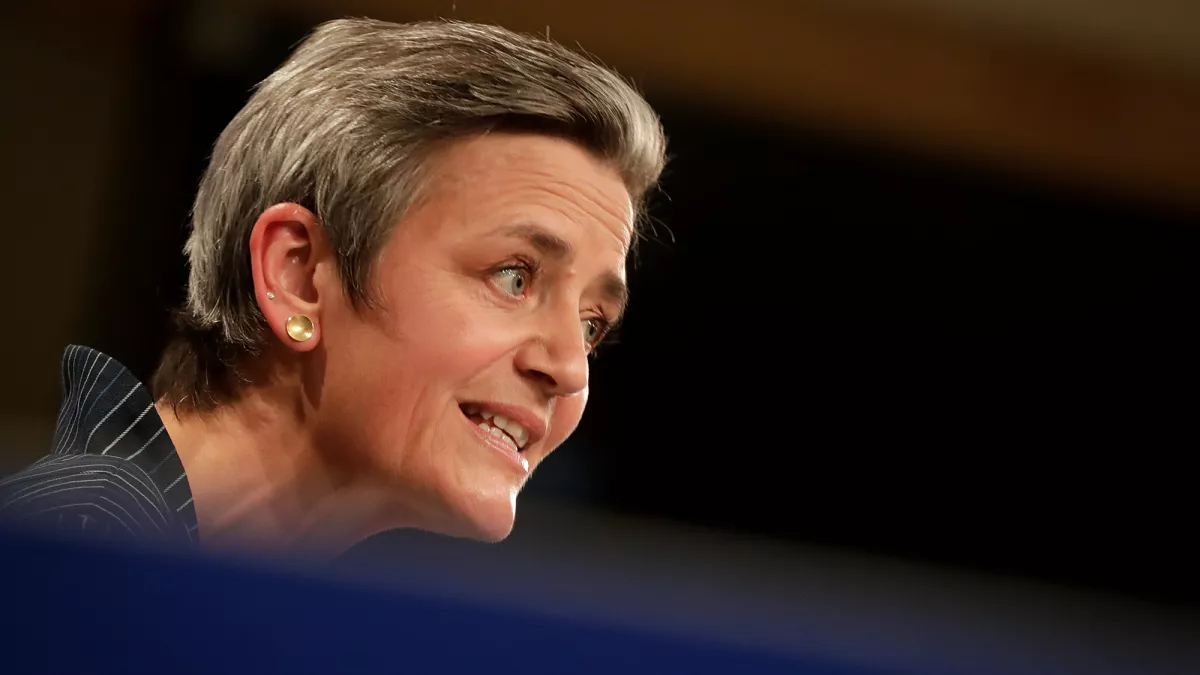
Meanwhile, former EU Commissioner for Competition Margrethe Vestager, a key architect of the EU’s digital strategy, has urged Europe to remain steadfast in its commitment to these regulations. Vestager emphasized that the rules are designed to create a fair and safe digital marketplace for all, not to target any specific country or company. She stated the legislation fulfills promises made to European citizens regarding the safety and security of online services.
The Stakes for Big Tech
The DMA, in particular, aims to curb the power of large online platforms, preventing anti-competitive practices and fostering innovation. It has been viewed by some in Washington as potentially discriminatory towards US tech giants like Google, Apple, Meta, and Amazon. Vestager, who previously issued substantial antitrust fines to these companies, defended the regulations as essential for maintaining a healthy and competitive digital ecosystem.
European officials, including EU Trade Commissioner Maroš Šefčovič, are working to clarify the EU’s position to the US, asserting that the digital rules apply equally to all companies operating within the EU single market, regardless of their origin. A European official following the talks emphasized that steel, aluminum, and digital regulation are being treated as separate issues.
Navigating Transatlantic Trade Tensions
The US and EU are attempting to navigate a complex web of trade disputes and regulatory differences. The current situation reflects a broader trend of increasing protectionism and a desire to safeguard domestic industries. The outcome of these negotiations will have significant implications for the future of transatlantic trade and the global digital economy.
EU Tech Commissioner Henna Virkkunen reiterated the importance of both the DMA and the DSA during meetings with US officials, signaling a reluctance to significantly alter the regulations at this stage. However, the pressure from the US is likely to continue, and further discussions are expected in the coming weeks.
As the US and EU continue to negotiate, businesses on both sides of the Atlantic should closely monitor developments in digital regulation and trade policy. The outcome of these talks will shape the competitive landscape for years to come, impacting everything from tech innovation to international commerce. Stay informed about the evolving situation to prepare for potential changes and opportunities.