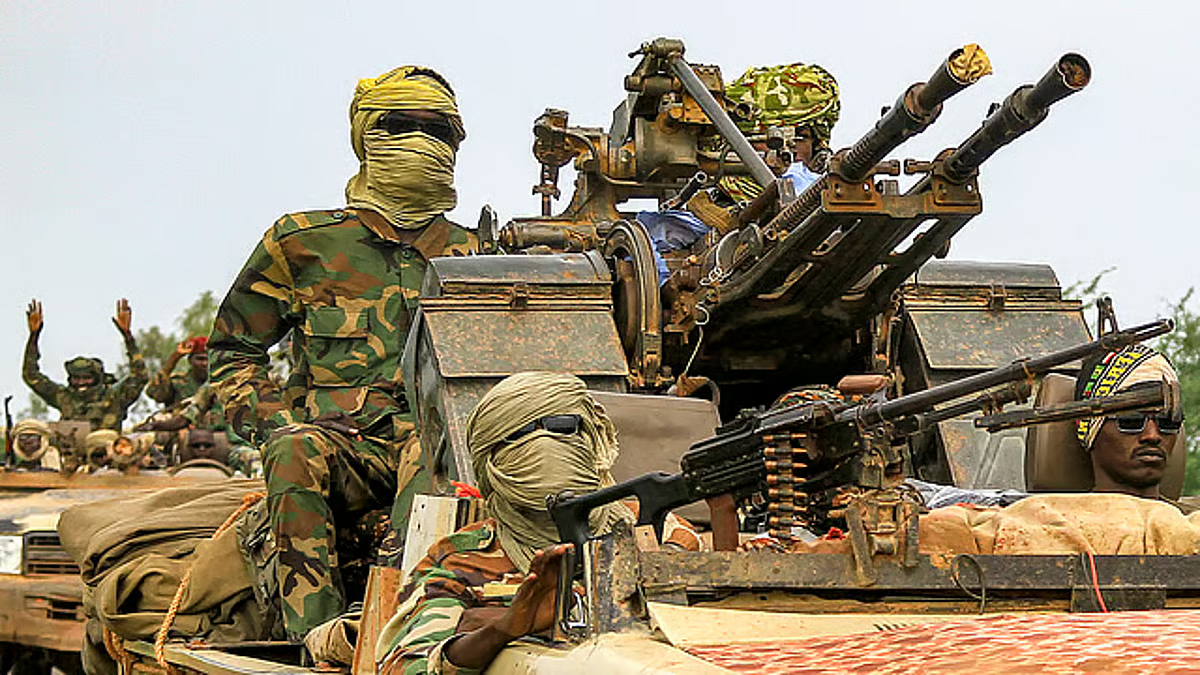

The United Arab Emirates has publicly criticized Sudanese Armed Forces (SAF) chief Gen. Abdel Fattah Al Burhan for repeatedly obstructing peace initiatives in Sudan, escalating international pressure as the conflict between the SAF and the Rapid Support Forces (RSF) continues. Reem bint Ibrahim Al Hashimy, the UAE’s Minister of State for International Cooperation, stated that Al Burhan’s actions demonstrate a pattern of rejecting diplomatic solutions, hindering efforts to achieve a lasting Sudan peace. The comments come amid a stalled U.S.-led peace proposal and ongoing violations of temporary ceasefires.
Al Hashimy’s remarks, delivered on [Date – insert current date], represent a significant shift in tone from previous UAE statements on the Sudanese conflict. While the UAE has previously called for de-escalation and dialogue, this is the first instance of direct public condemnation of Al Burhan’s leadership. The criticism centers on his rejection of a peace framework proposed by the United States and his consistent refusal to adhere to ceasefire agreements brokered by international mediators.
The Obstacles to Sudan Peace
According to the UAE’s assessment, Al Burhan’s behavior is actively prolonging the fighting and exacerbating the humanitarian crisis in Sudan. The conflict, which erupted on April 15th, has resulted in thousands of deaths and displaced millions of people both internally and across borders into neighboring countries like Chad and South Sudan. The fighting has concentrated in Khartoum and the Darfur region, with reports of widespread civilian casualties and infrastructure damage.
U.S. Peace Proposal Rejected
The U.S. peace proposal, details of which remain largely undisclosed, reportedly aimed to establish a framework for a negotiated settlement between the SAF and the RSF. According to sources familiar with the discussions, the proposal included provisions for a ceasefire, power-sharing arrangements, and security sector reform. However, Al Burhan publicly rejected the proposal, citing concerns over its perceived bias towards the RSF and its potential impact on the sovereignty of the Sudanese state.
Repeated Ceasefire Violations
Alongside the rejection of the U.S. proposal, Al Burhan has been accused of repeatedly violating temporary ceasefires negotiated by Saudi Arabia and the United States. These ceasefires, intended to allow for the delivery of humanitarian aid and the evacuation of foreign nationals, have consistently collapsed within hours or days of being implemented. The RSF has also been implicated in ceasefire violations, creating a cycle of mistrust and escalating violence. The ongoing conflict is creating a severe humanitarian crisis.
However, the RSF has also accused the SAF of obstructing peace talks and violating ceasefires. RSF leader Mohamed Hamdan Dagalo, known as Hemedti, has publicly called for a negotiated solution but has also vowed to continue fighting until his forces achieve their objectives. This mutual distrust and lack of commitment to dialogue are key obstacles to achieving a sustainable resolution.
The UAE’s criticism is particularly noteworthy given its historical ties to both the SAF and the RSF. The country has played a mediating role in the conflict, hosting talks between the warring parties in Jeddah earlier this year. Additionally, the UAE has provided humanitarian assistance to Sudan, but the recent statement suggests a growing frustration with the lack of progress towards a peaceful outcome. The situation is further complicated by regional dynamics and the involvement of external actors.
Meanwhile, international organizations are warning of a looming catastrophe in Sudan. The World Food Programme (WFP) estimates that over 20.3 million people – more than 40 percent of Sudan’s population – are facing acute hunger. Access to healthcare, water, and sanitation is severely limited, and the risk of disease outbreaks is increasing. The United Nations has repeatedly called for an immediate cessation of hostilities and unhindered humanitarian access.
In contrast to the UAE’s direct criticism, other international actors have adopted a more cautious approach. The African Union (AU) has called for a ceasefire and urged the warring parties to return to the negotiating table, but has refrained from publicly blaming either side for the impasse. The United States continues to engage with both the SAF and the RSF, seeking to revive the peace process. The international community is focused on finding a path towards conflict resolution.
The UAE’s statement is likely to increase pressure on Al Burhan to reconsider his position and engage constructively in peace talks. It also highlights the growing international concern over the deteriorating situation in Sudan and the urgent need for a political solution. The lack of political stability in Sudan has broader implications for regional security.
Looking ahead, the next critical step will be whether the SAF and the RSF will respond to the growing international pressure and agree to a new round of negotiations. No firm date has been set for such talks, and the prospects for success remain uncertain. The situation remains highly volatile, and further escalation of the conflict cannot be ruled out. Observers will be closely watching for any signs of a shift in the positions of both sides and the role of regional and international mediators in the coming weeks.