
The future of diplomatic resolution in Ukraine hangs in the balance this week as Russia formally rejected a European-drafted peace proposal. Moscow’s dismissal of the plan, presented as a counterpoint to a US initiative, throws further uncertainty onto efforts to end the ongoing conflict. Simultaneously, EU-US trade negotiations are underway in Brussels, revealing significant tensions and disagreements between the two economic powerhouses.
High-level meetings between US officials and EU ministers concluded yesterday with reports of “frank” and challenging discussions regarding the current state of the trade deal. These negotiations, coupled with the stalled Ukrainian peace talks, are dominating the agenda in Brussels, raising questions about transatlantic cooperation and the European Union’s influence on global affairs. To provide expert context on these critical developments, Euronews interviewed former European Commissioner for Competition, Margrethe Vestager.
The Stalled Ukraine Peace Process and the Future of Diplomacy
Russia’s rejection of the European peace plan, described by Putin’s aide Yuri Ushakov as “unconstructive,” signifies a continued hardening of positions. The plan’s details haven’t been fully disclosed, but reports suggest it attempted to build upon the principles proposed by the United States. According to Ushakov, the foundation of any viable negotiation must acknowledge Russia’s security concerns, a condition consistently reiterated by Moscow throughout the conflict.
However, Ukraine has expressed its own firm stance, demanding full restoration of its territorial integrity, including Crimea, before considering any substantial peace talks. These diverging demands present a significant obstacle to any immediate breakthrough. The situation is further complicated by ongoing military operations and the continued flow of Western military aid to Ukraine which Russia views as escalation.
Impact of the Rejection on International Efforts
The failure of the European proposal to gain traction with Russia casts a shadow over the future of mediation. It fuels speculation that a resolution may ultimately rely heavily on direct negotiations between Ukraine and Russia, potentially excluding the EU’s mediating role. This outcome could significantly diminish the European Union’s diplomatic leverage in the region.
Some analysts have suggested that the rejection is a strategic move by Russia to exert pressure and potentially secure more favorable terms in future negotiations. Others believe it indicates a lack of genuine interest in a peaceful settlement at this time. The Kremlin maintains that it is open to negotiations, but only on its terms, and that conditions for those talks are not currently met.
Challenges Emerge in EU-US Trade Negotiations
The atmosphere surrounding the EU-US trade negotiations has been described as tense, reflecting a growing divergence in economic priorities and approaches. Disagreements reportedly center around issues such as agricultural subsidies, digital taxation, and market access. These have been persistent sticking points in previous attempts to forge a closer trade relationship.
The United States has been critical of certain EU policies, particularly those related to data privacy and competition regulation, framed as barriers to American businesses. Conversely, the EU has voiced concerns about US protectionist measures and a perceived reluctance to address trade imbalances. A recent report by the World Trade Organization highlighted ongoing trade disputes between the two blocs.
The “Brussels Effect” Questioned
The stalled talks and strong rhetoric from both sides raise questions about the so-called “Brussels effect” – the EU’s ability to shape global standards through its regulatory power. Margrethe Vestager, a key architect of the EU’s assertive digital regulations, was asked about this specifically. A decline in transatlantic cooperation could weaken the EU’s influence globally and potentially lead to a fragmentation of the international trade system.
The outcome of these negotiations will have significant implications for businesses on both sides of the Atlantic, as well as for the broader global economy. Failure to reach a comprehensive agreement could exacerbate existing trade tensions and hinder economic growth. Furthermore, it may necessitate a re-evaluation of the long-term vision for EU-US economic relations.
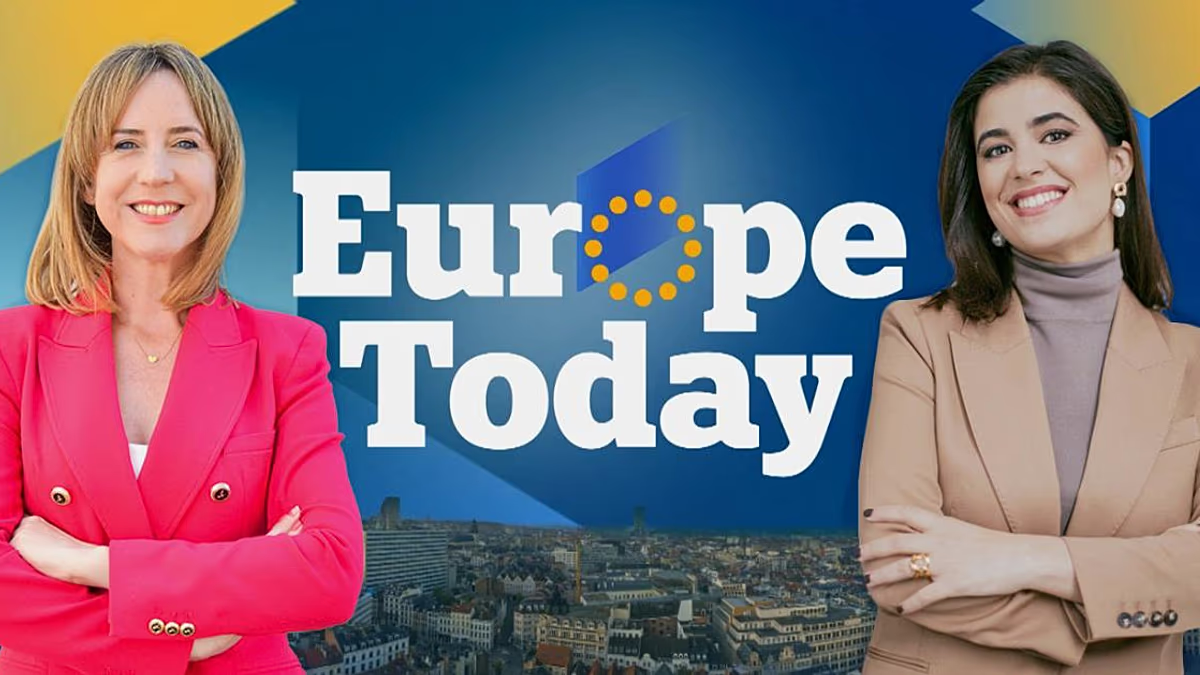
As these critical discussions unfold, all eyes are on Brussels. The next few days will be pivotal in determining the paths forward for both the Ukraine peace process and the future of transatlantic trade. Stay tuned to Euronews for continued, comprehensive coverage of these developing stories. You can join our chief anchor Méabh Mc Mahon and EU editor Maria Tadeo every morning at 8:00 CET on “Europe Today” for analysis and updates.