






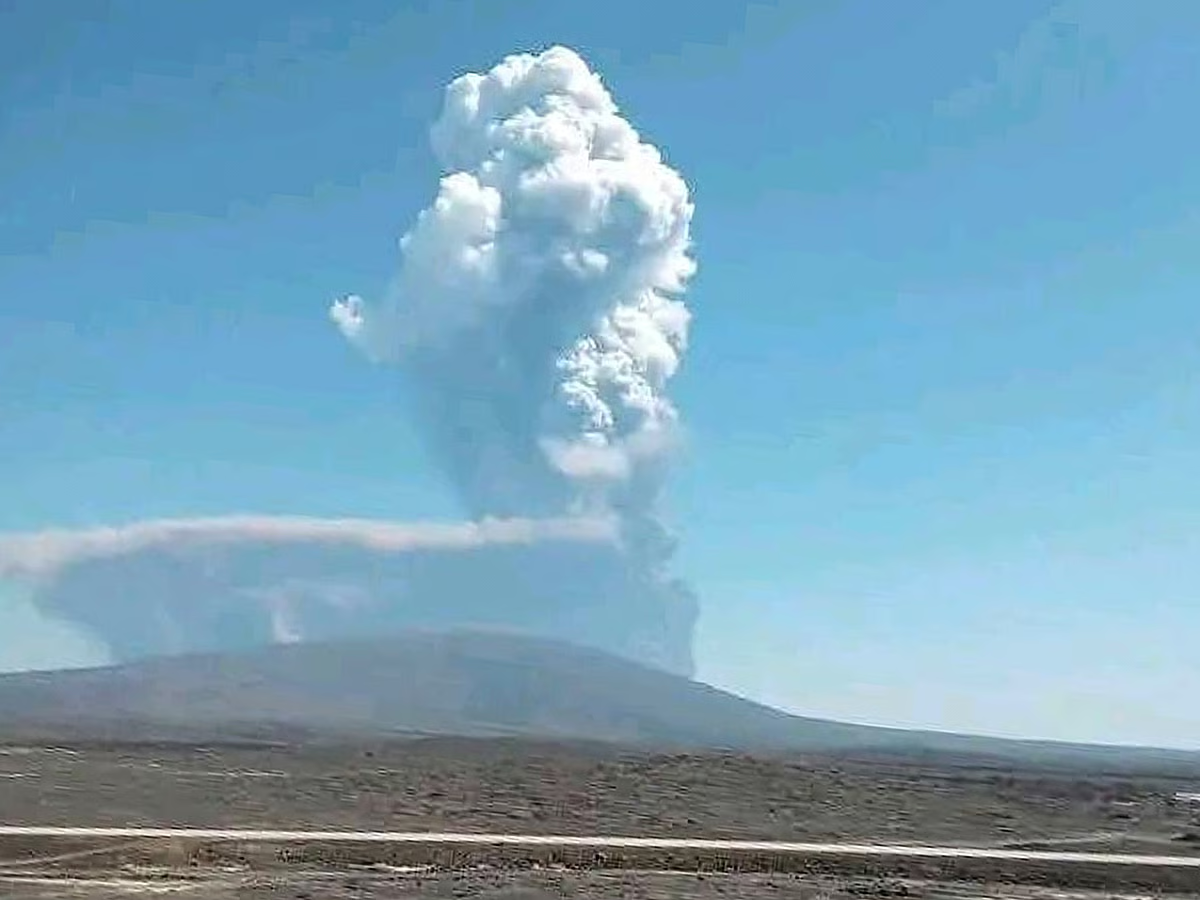

Indian airlines and airports are on heightened alert following an advisory from the Directorate General of Civil Aviation (DGCA) regarding a volcanic ash cloud drifting eastward from Ethiopia. The advisory, issued October 20, 2025, instructs carriers to review safety protocols and monitor the situation closely to mitigate potential disruptions to air travel. Passengers, particularly those traveling to or from the Middle East and northern India, are advised to check flight statuses with their respective airlines.
Volcanic Ash Cloud Disrupts Air Travel
The alert stems from the recent eruption of the Hayli Gubbi volcano in Ethiopia, its first in nearly 10,000 years. This eruption released a substantial plume of volcanic ash that initially moved across the Red Sea towards Oman and Yemen. Current forecasts from the Toulouse Volcanic Ash Advisory Centre (VAAC) indicate the cloud is now progressing towards northern India, prompting the DGCA’s preventative measures.
Airline Responses and Safety Measures
Airlines have been directed to revise flight plans based on the latest VAAC bulletins and meticulously track Notices to Airmen (NOTAMs) and weather alerts around the clock. The DGCA emphasizes the importance of immediate reporting of any suspected encounters with the ash cloud during flight. Cockpit and cabin crews have been reminded to be vigilant for early signs of ash exposure, including engine fluctuations, reduced visibility, and unusual smells within the aircraft cabin.
KLM has already taken action, cancelling flights KL871 (Amsterdam–Delhi) and KL872 (Delhi–Amsterdam) due to unsafe conditions linked to the ash cloud. SpiceJet has reported the presence of ash across parts of the Arabian Peninsula and is working with international authorities to assess the impact on its operations. Passengers traveling to or from Dubai are specifically advised to verify their flight details.
Akasa Air is also actively monitoring the ash cloud’s trajectory and has affirmed its commitment to adhering to all global safety protocols if the cloud moves closer to Indian flight paths. Both SpiceJet and Akasa Air have stressed that passenger safety remains their paramount concern during this period of increased volcanic activity.
Airport Preparedness and Monitoring
Airports have been instructed to conduct immediate inspections of runways, taxiways, and aprons for any ash deposits. Operations must be suspended until these surfaces are thoroughly cleared to prevent damage to aircraft and ensure safe ground handling. Additionally, airport operators are required to activate their internal risk-assessment systems and continuously monitor satellite imagery and ash-movement forecasts.
Volcanic ash poses a significant hazard to aviation. Even small amounts ingested into aircraft engines can cause them to fail, and the abrasive nature of the ash can damage windshields, sensors, and other critical components. The potential for widespread disruption to air travel is high, as was demonstrated during the 2010 eruption of Eyjafjallajökull in Iceland, which led to the closure of European airspace for several days. This event highlighted the need for robust monitoring and mitigation strategies.
The current situation differs from the 2010 event in several ways. Improved forecasting models and communication channels allow for more precise tracking of ash clouds, and airlines have refined their procedures for operating in areas affected by volcanic ash. However, the unpredictable nature of volcanic eruptions and ash dispersal means that the risk of disruption remains.
The DGCA’s advisory is a proactive step to minimize potential risks. The agency is coordinating with the India Meteorological Department (IMD) and other relevant organizations to provide airlines and airports with the most up-to-date information. The situation is also being monitored in conjunction with international aviation bodies, such as the International Civil Aviation Organization (ICAO).
Looking ahead, the primary focus will remain on tracking the movement of the ash cloud and assessing its potential impact on flight routes. The VAAC will continue to issue regular bulletins with updated forecasts, and the DGCA will provide guidance to airlines and airports as needed. The duration and extent of any disruptions will depend on the volcano’s continued activity and prevailing weather patterns. Passengers are encouraged to stay informed and check with their airlines for the latest travel advisories regarding air travel and potential flight delays.