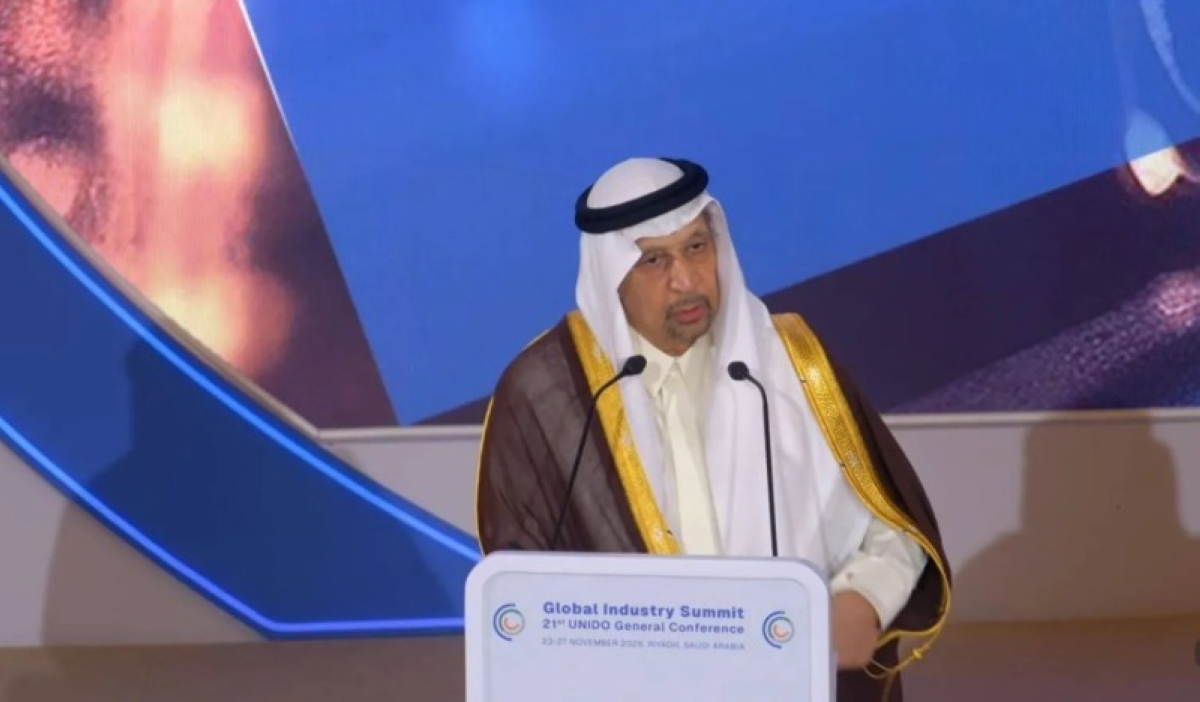

RIYADH — The Middle East and North Africa (MENA) region is significantly underperforming in attracting foreign direct investment (FDI), despite substantial economic potential, according to Saudi Minister of Investment Khalid Al-Falih. Speaking at the Global Industry Summit in Riyadh on Monday, Al-Falih highlighted a disconnect between the region’s economic contribution and the level of investment it receives. Saudi Arabia itself has seen a substantial increase in FDI since the launch of its Vision 2030 plan.
Al-Falih stated that while MENA accounts for 4% of global GDP and 5% of world trade, it only attracts 3% of global foreign direct investment. This disparity, he argued, underscores a critical need to enhance the region’s appeal to international investors. The summit, part of the 21st UNIDO General Conference, served as a platform to discuss strategies for boosting investment flows.
The MENA Region’s Untapped Investment Potential
The MENA region possesses immense natural resources, a key factor often considered by potential investors. Al-Falih emphasized the region’s dominance in hydrocarbon reserves, holding 50% of the world’s oil and 40% of its gas. Additionally, the area is rich in critical minerals essential for future technologies.
Resource Wealth and Diversification
The region’s mineral wealth includes 79% of global cobalt reserves, 44% of manganese, 25% of copper, and 21% of graphite, according to the minister. Saudi Arabia, in particular, boasts an estimated $2.5 trillion in mining reserves. This wealth is driving efforts to diversify economies away from a sole reliance on oil revenues.
However, realizing this potential requires overcoming obstacles to investment. These include regulatory hurdles, geopolitical risks, and a need for greater transparency. The Saudi government is actively working to address these challenges through reforms outlined in Vision 2030.
Saudi Arabia’s FDI Growth Under Vision 2030
Since the introduction of Vision 2030, Saudi Arabia has experienced a fourfold increase in foreign direct investment. This growth is attributed to a series of economic reforms aimed at attracting international capital and fostering a more business-friendly environment. The ministry reports significant progress in streamlining regulations and improving infrastructure.
The Kingdom’s young and rapidly growing population – with two-thirds under the age of 35 – is also a significant draw for investors. This demographic dividend presents a large potential consumer base and a skilled workforce. Furthermore, the country is experiencing a surge in startup activity.
Startup Ecosystem and Headquarters Relocations
Venture capital funding for startups in Saudi Arabia increased by 158% in a single year, reaching $1.3 billion in the first nine months of the current year. The Ministry of Investment has also registered 2,500 international entrepreneurs in the deep-tech sector, signaling growing confidence in the Kingdom’s innovation ecosystem.
Meanwhile, 680 global companies have relocated their regional headquarters to Riyadh, demonstrating a tangible commitment to the Saudi market. This influx of businesses is expected to create jobs and stimulate economic growth. The total assets held by Saudi sovereign wealth funds currently amount to approximately $1.5 trillion, providing a substantial financial base for further investment.
Future Energy and Regional Ambitions
Saudi Arabia is positioning itself as a major player in the global clean energy transition. The country aims to become a significant exporter of electricity to Europe and South Asia via submarine cables. This initiative aligns with global efforts to reduce carbon emissions and promote sustainable energy sources.
Additionally, Saudi Arabia is expanding its production of both blue and green hydrogen, with the ambition of becoming one of the world’s largest producers. This focus on hydrogen production represents a long-term strategic investment in a potentially transformative energy source. The development of these energy projects requires substantial capital investment and technological expertise.
Looking ahead, the success of Vision 2030 and the broader effort to attract more FDI to the MENA region will depend on continued economic reforms, political stability, and a sustained commitment to diversification. The ministry has not announced specific targets for FDI growth beyond the current Vision 2030 goals, but further announcements regarding investment strategies are expected in the coming months. Monitoring the implementation of regulatory changes and the progress of large-scale projects will be crucial indicators of future success.