
Doha, Qatar – The Ministry of Public Health (MOPH) recently held a workshop focused on medical director empowerment and safe leadership practices, signaling a continued commitment to enhancing healthcare quality and patient safety across Qatar. The workshop, attended by medical directors from various healthcare facilities, addressed critical aspects of their role in a rapidly evolving healthcare landscape. This initiative highlights the importance the MOPH places on fostering a sustainable and integrated health system as outlined in Qatar National Vision 2030.
The event took place this month at an undisclosed location in Doha, bringing together key leaders responsible for clinical governance and performance. According to remarks made during the workshop, the MOPH aims to equip these directors with the necessary skills and knowledge to navigate their increasingly complex responsibilities. This is part of a larger effort to align Qatar’s healthcare system with international best practices and prepare for future challenges.
Enhancing the Role of the Medical Director
The workshop centered on the evolving responsibilities of medical directors, emphasizing their pivotal position in maintaining high standards of care. The MOPH recognizes medical directors as essential to supervising clinical performance, enforcing approved protocols, and championing a culture of clinical governance within their institutions, stated Dr. Ghanim Ali Al Mannai, Assistant Undersecretary for Healthcare Regulatory Affairs.
Participants explored the legal and regulatory framework governing healthcare professions in Qatar. The session also covered policies related to practitioner fitness for duty, as well as effective methods for handling patient complaints and resolving health disputes. These areas are gaining increased attention in the pursuit of patient-centered care and accountability.
Key Responsibilities Highlighted
Discussions underscored the importance of accurate and comprehensive medical documentation, a crucial component of both patient safety and legal compliance. The Ministry stressed the medical director’s role in ensuring this documentation is diligently maintained and readily available for review.
Furthermore, the workshop delved into the efficient allocation of human and material resources within healthcare facilities. This aspect ties directly to the National Health Strategy (2024-2030), which prioritizes optimizing resource utilization alongside quality improvements. Participants also debated techniques for bolstering preventative healthcare measures.
The emphasis on continuing medical education and accreditation programs demonstrates the MOPH’s dedication to ensuring healthcare professionals remain up-to-date with the latest advancements and ethical guidelines. This ongoing development is seen as vital for delivering consistently safe and effective care.
Masouma Fadel Sada, Assistant Director of the Health Professions Department at the MOPH, noted that embedding safe leadership concepts within healthcare organizations is paramount. She emphasized a collaborative approach, empowering both medical and administrative staff to collaboratively ensure high-quality service delivery.
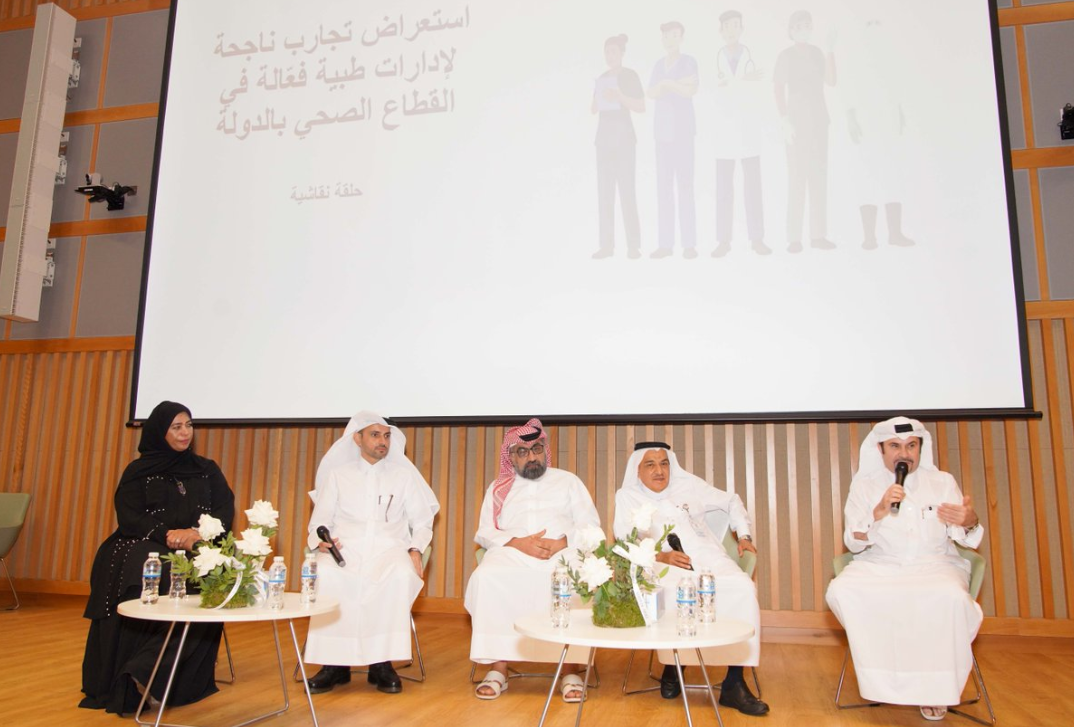
A significant portion of the workshop was devoted to a panel discussion where attendees shared their experiences and highlighted successful strategies for effective medical administration. This peer-to-peer learning format fostered a sense of community and provided practical insights for addressing common challenges.
The sessions also touched upon the changes and advancements within Qatar’s healthcare sector and their implications for leadership roles. This aligns with proactive planning for future needs and ensures the system’s sustainability as the nation’s population grows and develops. The Ministry of Public Health consistently advocates for a dynamic and responsive healthcare infrastructure.
The workshop’s conclusion featured a question-and-answer segment, enabling participants to seek clarification on key strategic issues related to safe leadership. This interactive exchange further reinforced the importance of open communication and collaborative problem-solving.
Looking ahead, the MOPH is expected to implement follow-up mechanisms to assess the workshop’s impact and support medical directors in applying the new knowledge and skills within their respective institutions. Further initiatives focusing on healthcare regulation and quality assurance are also anticipated, as the Ministry continues its efforts to realize the goals of Qatar National Vision 2030 and the National Health Strategy. The long-term effectiveness of these efforts will depend on continued investment in training and the ability to adapt to emerging trends in health services.