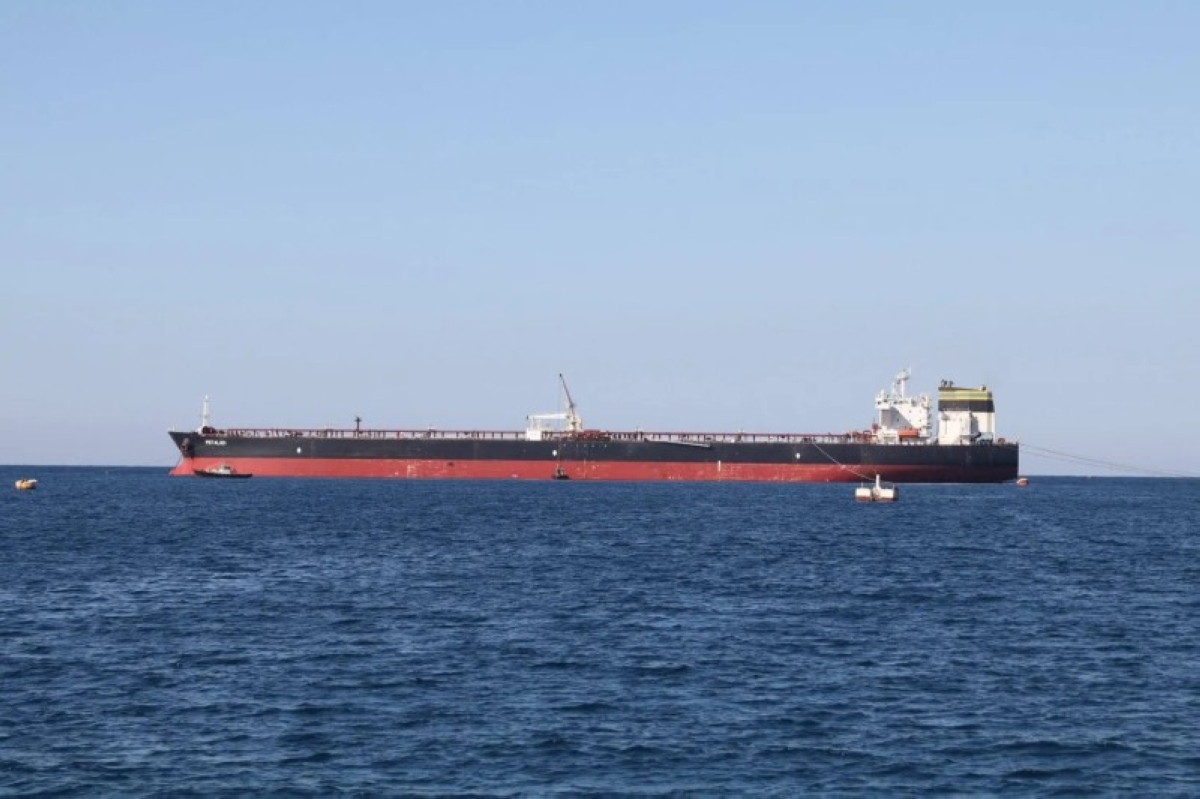

A second shipment of Saudi crude oil has arrived in Syria, bolstering the nation’s energy sector amidst ongoing economic hardship. The delivery, totaling one million barrels, follows an initial shipment last month and forms part of a larger grant from the Kingdom of Saudi Arabia aimed at stabilizing Syrian refineries and supporting economic development. This aid signifies a warming of relations between the two countries after years of strained ties.
Syrian Energy Minister Mohammed al-Bashir announced the arrival of the shipment on X (formerly Twitter) on December 26, 2023, stating it reached the Banias oil terminal on the Syrian coast. The total volume of oil delivered under the grant now stands at 1.65 million barrels. The grant agreement, signed in September, is being overseen by the Saudi Ministry of Energy.
The Saudi Crude Oil Grant and Syria’s Energy Needs
Syria’s oil production has been severely hampered by over a decade of civil war, resulting in critical shortages of fuel and electricity. According to reports from the Syrian Observatory for Human Rights, control of oil fields has shifted between various factions, disrupting production and contributing to a significant decline in the country’s refining capacity. The current grant is intended to address these issues directly.
The Saudi Fund for Development is administering the aid, with a focus on improving the operational efficiency and financial sustainability of Syrian refineries. The ministry said the initiative aims to strengthen economic development and contribute to the achievement of the Sustainable Development Goals. This includes supporting vital sectors beyond energy, such as agriculture and healthcare, which are heavily reliant on a stable energy supply.
Historical Context of Saudi-Syria Relations
Saudi Arabia and Syria historically maintained close political and economic ties. However, relations deteriorated sharply following the outbreak of the Syrian civil war in 2011, with Saudi Arabia supporting opposition groups seeking to overthrow the government of President Bashar al-Assad. In recent years, there have been signs of a thaw in relations, culminating in the resumption of diplomatic activity and this significant energy grant.
The restoration of diplomatic ties earlier this year, brokered by China, paved the way for increased cooperation between the two nations. Additionally, regional efforts to reintegrate Syria into the Arab world have created a more favorable environment for Saudi assistance. This shift reflects a broader trend of de-escalation in the region.
Impact on the Syrian Economy
The crude oil grant is expected to have a positive impact on Syria’s struggling economy. The influx of fuel will help alleviate shortages and reduce reliance on expensive imports, freeing up foreign currency reserves. However, the long-term economic benefits will depend on Syria’s ability to rehabilitate its damaged infrastructure and attract foreign investment.
The Syrian economy has been devastated by the war, with widespread poverty and unemployment. The United Nations estimates that over 80% of the Syrian population lives below the poverty line. The grant is therefore seen as a crucial lifeline for millions of Syrians facing dire economic circumstances. Furthermore, a stable energy supply is essential for the revival of key industries.
The first shipment of 650,000 barrels, which arrived in November, reportedly helped to stabilize fuel prices and improve electricity generation. The Syrian government has indicated that the additional oil will be used to meet growing domestic demand and support the agricultural sector during the winter months. The availability of affordable fuel is particularly important for farmers, who rely on it for irrigation and transportation.
While the Saudi crude oil grant is a significant development, it is not a comprehensive solution to Syria’s economic problems. The country still faces numerous challenges, including international sanctions, a lack of investment, and a fragile security situation. The effectiveness of the grant will also depend on the Syrian government’s ability to manage the resources efficiently and transparently.
The grant also represents a potential boost to Syria’s refining capabilities. The country’s two main refineries, located in Homs and Banias, have been operating below capacity due to damage and a lack of feedstock. The oil grant is intended to help these refineries operate more efficiently and increase their output. This could lead to greater self-sufficiency in fuel production and reduce the need for imports.
Looking ahead, the next steps involve the continued monitoring of the grant’s implementation by the Saudi Ministry of Energy and assessment of its impact on the Syrian economy. Further shipments are anticipated, although the exact timing and volume remain uncertain. Observers will be watching closely to see whether this aid leads to a broader improvement in living conditions for the Syrian people and contributes to a more stable and prosperous future. The success of this initiative will likely influence future levels of Saudi assistance and the broader international response to the Syrian crisis.