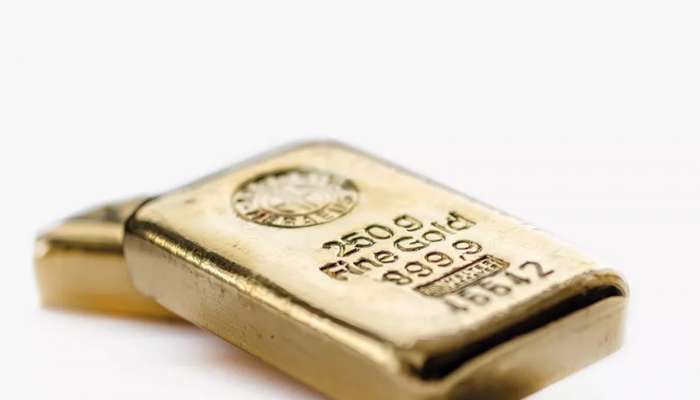

New Delhi is witnessing a continued surge of interest in gold investment as the precious metal navigates periods of volatility and maintains a robust outlook for the coming months. Despite recent corrections, gold remains a beacon of stability for investors globally, and a new report from HSBC suggests this trend is set to continue, with the metal potentially achieving its strongest annual performance in nearly five decades. This article delves into the factors driving the current gold rally and what experts predict for its future.
Gold as a Safe Haven: HSBC’s 2026 Forecast
The HSBC “Think Future 2026” report unequivocally states that gold remains a “powerful hedge during global economic uncertainty.” This assessment isn’t merely theoretical; the report highlights a remarkable year-to-date surge of approximately 54% for the metal. This performance positions 2024 as “one of its most successful years” on record, fueled by escalating worldwide concerns and anxieties surrounding the potential debasement of the US dollar.
While prices briefly touched an unprecedented high of USD 4,380/oz in October, profit-taking among retail investors led to a temporary retreat to around USD 3,885/oz. However, crucially, gold has since stabilized around the USD 4,000 level, a signal HSBC interprets as a resumption of the upward trend. This resilience underlines its core appeal as a store of value during turbulent times.
Central Bank Demand Fuels Bullion Prices
One of the most compelling forces underpinning the current strength in gold is sustained and significant buying from central banks. These institutions aren’t just dabbling – they’re actively increasing their holdings. The proportion of global central bank reserves allocated to gold has jumped dramatically, from 13% in 2022 to around 22% by Q2 2025, and this is happening despite a more than doubling of prices over the same period.
Diversification and Geopolitical Protection
HSBC points out that these elevated prices haven’t dissuaded institutional buyers. Central banks are strategically adding to their gold reserves for several critical reasons. These include portfolio diversification, a safeguard against geopolitical conflicts, protection from economic and fiscal challenges, managing rising inflation, and buffering against substantial political shifts.
This persistent demand is expected to act as a solid price floor, ensuring that gold maintains its elevated price levels. It’s a signal of long-term confidence in the metal’s enduring value.
Retail Investor Interest and ETF Growth
Alongside central bank activity, retail demand for gold is also experiencing a significant upswing, particularly through gold ETFs (Exchange Traded Funds). The factors driving this surge closely mirror those motivating central banks: a backdrop of global economic uncertainty, the ever-present risk of inflation, and growing skepticism about the US dollar’s strength.
The report notes an increase in interest in investing in gold as investors look to diversify their portfolios. ETF holdings have demonstrated a consistent upward trend, adding substantial momentum to the rally. This suggests that a wider range of individual investors are seeking the security that gold traditionally offers.
A Complex Relationship with Equity Markets
Interestingly, gold has recently exhibited a positive correlation with equity markets, a somewhat unusual phenomenon. HSBC clarifies that this isn’t a fundamental change in gold’s role as a safe-haven asset. Instead, it’s largely attributed to investor behaviour at these heightened price levels. When equity markets perform well, investors are more willing to take risks, including continuing to invest in strongly performing assets like gold.
Despite this correlation, the bank firmly reiterates that gold remains a protective asset. Its intrinsic value as a hedge against economic and political instability endures.
Future Outlook and Potential Risks
HSBC believes future positive momentum for gold is likely, spurred by expectations of potential US Federal Reserve rate cuts. Delays in economic data releases stemming from the recent US government shutdown contribute to this expectation. Rate cuts would generally weaken the dollar, making gold more attractive to international investors. However, the pace of this increase is expected to slow compared to the gains seen earlier in the year.
The report does outline a couple of scenarios that could pose downside risks. A surprisingly hawkish policy shift from the Federal Reserve – signaling a reluctance to cut rates – or a substantial, unforeseen improvement in global economic conditions could dampen demand. However, given the currently prevailing uncertainties and the fragile outlook for the US dollar, the overall bias for gold remains decidedly upward.
Conclusion: A Golden Opportunity?
The current environment paints a compelling picture for gold. The combined forces of central bank buying, increased retail investment through gold ETFs, and ongoing global economic and political volatility are strongly supporting its price. While risks remain, as highlighted by HSBC, the underlying fundamentals suggest that gold will continue to shine brightly.
For investors considering adding precious metals to their portfolios, this latest analysis provides valuable insights. Further research into various investment avenues, from physical gold to gold-backed securities, is recommended to align with individual risk tolerances and financial goals. Understanding the dynamics of the gold market and staying informed about global economic trends are key to navigating this potentially lucrative landscape.