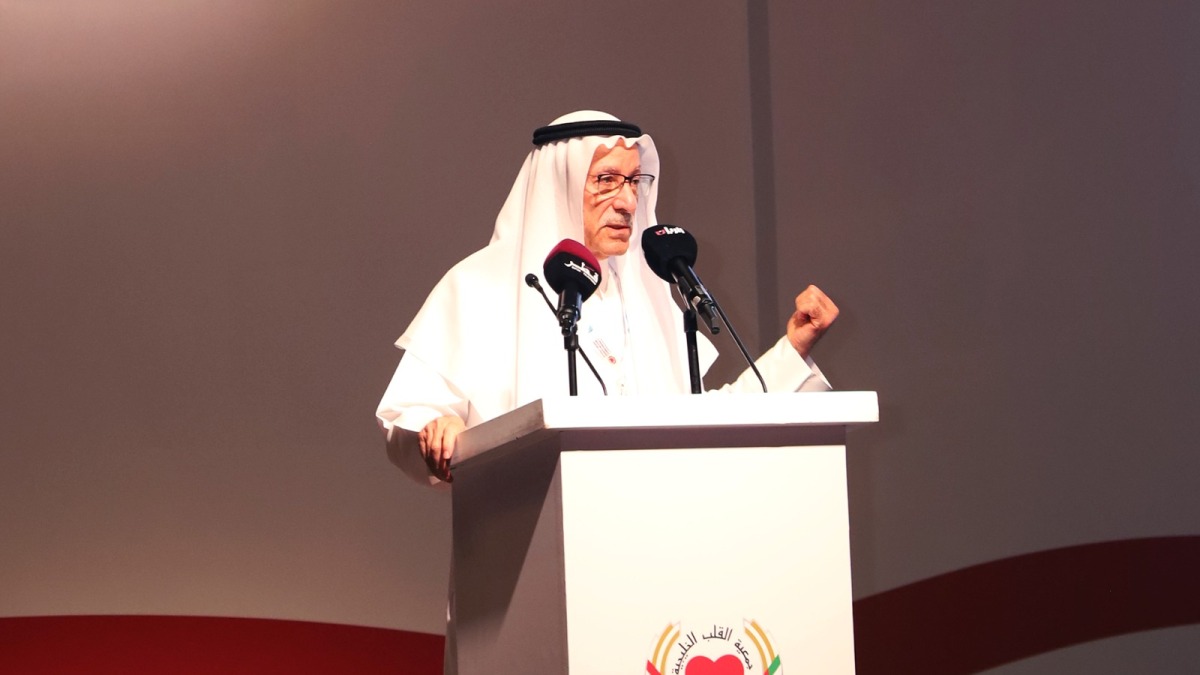

The Seventeenth Gulf Heart Association Conference, a major event in cardiovascular medicine, concluded in Doha, Qatar, this week with significant attendance and a focus on the latest advancements in the field. Over 750 delegates from 27 countries participated in the multi-day conference, which featured specialized workshops, lectures, and discussions. The event drew prominent attendees from Yemen, Iraq, the Gulf Cooperation Council (GCC) region, and various international institutions.
Held from November 23rd to 25th, the conference took place at both the Itqan Centre for Innovation and Medical Simulation and the Sheraton Doha Hotel. Organizers reported strong engagement from physicians, nurses, technicians, and researchers dedicated to improving heart health. The conference aimed to foster collaboration and knowledge sharing among leading experts in the region and globally.
Advancements in Cardiovascular Medicine Highlighted at Doha Conference
The conference program was designed to cover a broad spectrum of topics within cardiovascular medicine. The first day centered on intensive, hands-on training workshops. These sessions provided practical skills development in areas crucial for immediate patient care, such as bedside echocardiography for acute conditions and cardiopulmonary support techniques.
Specialized Workshop Details
Workshops included focused training on pediatric cardiology, specifically ECG and echocardiography for fetal and childhood heart conditions. Another workshop addressed the critical evaluation and management of circulatory systems in shock, covering advanced diagnostic methods like right heart catheterization. These specialized sessions underscore the growing complexity and need for advanced training in cardiac care.
The official opening on the second day featured remarks from Professor Mohammed Zubaid, President of the Gulf Heart Association, and former Minister of Public Health and Conference Chairman, H.E. Dr. Hajar Ahmed Hajar Albinali. A keynote address by Professor Mandeep Mehra from the United States explored the rapidly evolving role of artificial intelligence in diagnosing and treating heart disease.
Subsequent sessions delved into cardio-metabolic interactions, ischemic heart diseases, acute cardiovascular care – in collaboration with the European Society of Cardiology’s Acute Cardiovascular Care Association – and cardiac rhythm disorders. Alongside the scientific program, exhibiting companies showcased cutting-edge cardiac devices and innovative technologies.
The final day of the conference featured parallel sessions dedicated to specific areas of focus. These included heart failure, women’s cardiovascular health, tricuspid valve disease, and minimally invasive cardiac surgery. The comprehensive nature of these sessions allowed attendees to tailor their learning experience to their individual interests and specialties.
Notably, the pediatric cardiology track ran throughout the day, addressing advanced topics in neonatal and pediatric cardiac care. Sessions on minimally invasive and vascular surgery also provided valuable insights into these evolving surgical techniques. The high level of international participation was consistently acknowledged throughout the event.
The Gulf Heart Association Conference has become a significant platform for discussing regional health challenges related to cardiovascular health. Qatar, like many countries in the region, faces a rising prevalence of heart disease linked to lifestyle factors and an aging population. Events like this are crucial for disseminating best practices and promoting preventative measures.
Organizers have not yet announced a date or location for the Eighteenth Gulf Heart Association Conference. However, they indicated that planning will begin in early 2024, with a potential event in the latter half of the year. Future conferences will likely continue to emphasize the integration of new technologies and collaborative research efforts to address the evolving landscape of cardiovascular care.