
Brussels is at the center of intense diplomatic activity this week as European leaders grapple with a new Ukraine peace plan proposed by the United States, the complex issue of utilizing Russian frozen assets for reconstruction, and ongoing concerns about transatlantic trade relations. Discussions are focused on the EU’s response to the US proposal, aiming to strengthen Kyiv’s negotiating position while facing a rapidly approaching deadline set by former President Trump. The future of European security is heavily intertwined with these developments.
The flurry of activity comes as the EU attempts to balance support for Ukraine with maintaining a stable relationship with the United States. A recent agreement on tariffs, intended to secure US backing for Ukraine, has been met with skepticism within the EU, raising questions about its long-term benefits. Additionally, plans to leverage Russian assets to fund Ukraine’s rebuilding efforts are now complicated by the shifting geopolitical landscape.
The US-Russia Ukraine Peace Plan and EU Response
The 28-point US-Russia plan for Ukraine, details of which remain largely confidential, has sparked considerable debate. According to reports, the plan proposes a framework for negotiations between Ukraine and Russia, potentially involving territorial concessions and security guarantees. The EU is currently formulating a counterproposal designed to provide Ukraine with greater leverage in any future peace talks.
Maria Tadeo, Euronews’ EU editor, reports that the EU’s aim is to offer Kyiv more flexibility and options, rather than imposing a pre-determined outcome. However, the timeline is critical, with President Trump having reportedly demanded a resolution by this Thursday. This pressure is adding urgency to the ongoing discussions in Brussels.
Trade Tensions and Transatlantic Relations
The recent EU-US trade deal, intended to stabilize relations and secure continued US support for Ukraine, is facing scrutiny. Polish Trade Minister Michal Baranowski described the talks as “frank,” suggesting significant disagreements over the terms of the agreement. The EU reportedly conceded ground on tariffs in an effort to appease the US, but concerns remain about whether this concession will yield the desired results.
This situation highlights the delicate balance the EU must maintain between its own economic interests and its commitment to supporting Ukraine. The agreement underscores the importance of transatlantic cooperation, but also reveals underlying tensions in the relationship.
Frozen Russian Assets and Reconstruction Funding
The prospect of utilizing approximately $300 billion in frozen Russian assets to fund the reconstruction of Ukraine has been a major topic of discussion for months. The idea, supported by many EU member states, aims to hold Russia accountable for the damage caused by its invasion. However, President Trump’s proposed Ukraine plan introduces new uncertainties, potentially disrupting the existing framework for reparations.
Toomas Hendrik Ilves, former president of Estonia, emphasized the complexities of this issue, noting the legal and political challenges involved in seizing and repurposing sovereign assets. The debate centers on finding a legal pathway to access these funds while avoiding potential retaliatory measures from Russia. The use of Russian assets remains a contentious point.
Meanwhile, the EU is also considering alternative funding mechanisms for Ukraine’s reconstruction, including contributions from international financial institutions and private investors. The scale of the rebuilding effort is immense, estimated to be in the hundreds of billions of dollars.
Europe Today: Staying Informed
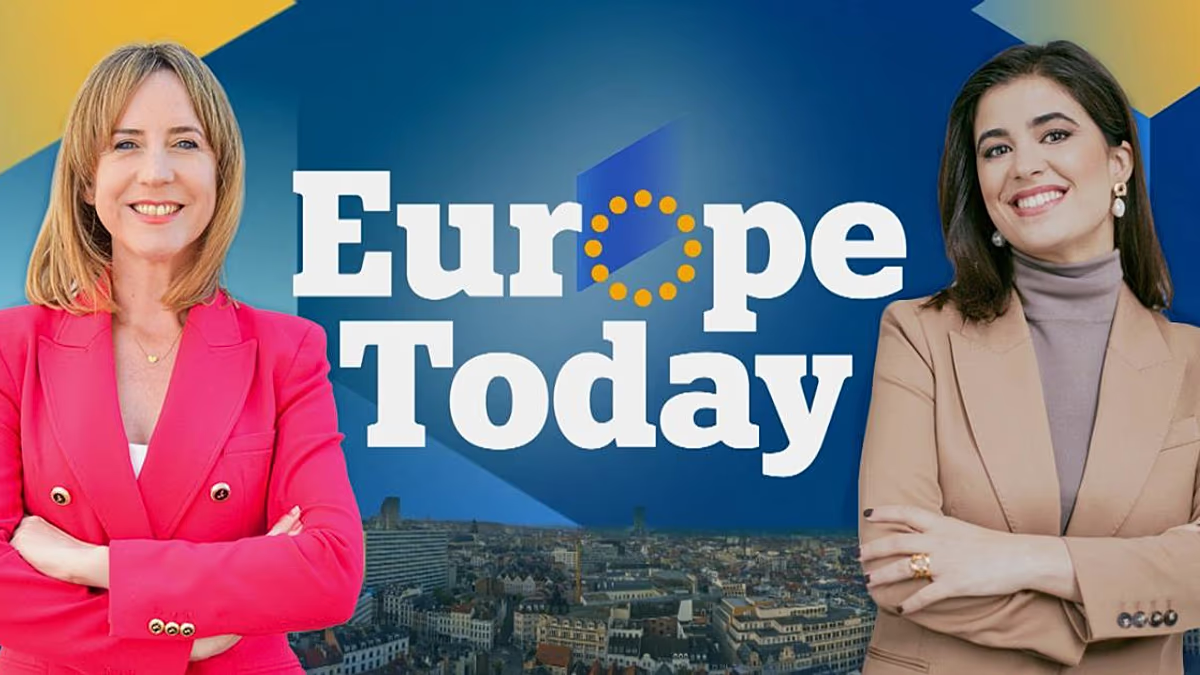
Euronews has launched a new daily show, “Europe Today,” broadcasting live from Brussels at 8 am GMT+1. Anchored by Méabh Mc Mahon and Maria Tadeo, the program provides up-to-date coverage of major news events impacting the EU and beyond. The show is available in English with real-time subtitles in 11 other languages, exclusively on Euronews.
The coming days will be crucial as the EU responds to the US peace plan and navigates the complexities of funding Ukraine’s reconstruction. Continued monitoring of these developments is essential for understanding the evolving geopolitical landscape and the future of European security. Stay tuned to Euronews for the latest updates on this rapidly developing story and the broader implications for European security.