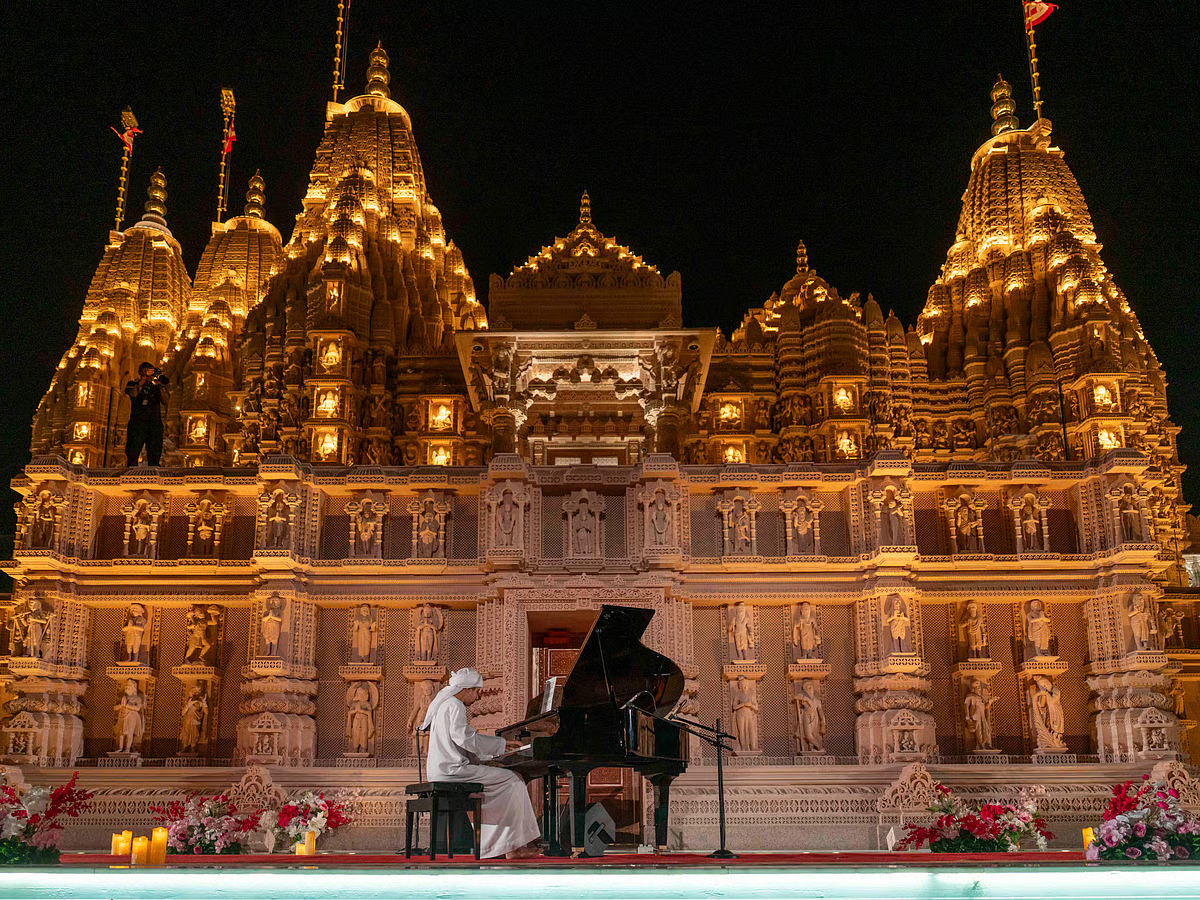

A young Emirati pianist with autism captivated audiences during the recent inauguration of the BAPS Mandir Abu Dhabi, showcasing his exceptional talent on the grand stage. The performance by Rayan Al Hammadi, a 19-year-old from Al Ain, highlighted the inclusive spirit of the temple opening and drew widespread praise. The event, held February 14th, 2024, in Abu Dhabi, United Arab Emirates, celebrated the culmination of years of construction and interfaith collaboration. This BAPS Mandir Abu Dhabi performance is being hailed as a significant moment for both the arts community and disability advocacy in the region.
The inauguration ceremony, attended by dignitaries and thousands of devotees, featured a diverse program of cultural performances. Al Hammadi’s piano recital, however, stood out for its emotional resonance and the story behind it. His participation underscores the temple’s commitment to welcoming individuals from all backgrounds and abilities, a core principle of the BAPS Swaminarayan Sanstha. The event also featured speeches emphasizing the importance of tolerance and peaceful coexistence.
The Significance of Rayan Al Hammadi’s Performance at the BAPS Mandir Abu Dhabi
Al Hammadi’s musical journey began at a young age, but his diagnosis of autism presented unique challenges. According to reports from local media outlets, his family initially struggled to find appropriate educational resources and support for his artistic development. However, with dedicated instruction and a supportive environment, he has blossomed into a skilled pianist, demonstrating the power of individualized learning and inclusive practices.
Overcoming Obstacles
Early intervention and specialized music therapy played a crucial role in Al Hammadi’s progress. His teachers adapted their methods to accommodate his learning style, focusing on his strengths and providing a structured, predictable environment. This approach allowed him to develop his technical skills and express himself creatively through music.
The opportunity to perform at the BAPS Mandir Abu Dhabi was secured through a connection with individuals involved in the temple’s cultural programming. Organizers recognized Al Hammadi’s talent and saw his performance as a powerful symbol of inclusivity. The selection process involved an audition, where his musical ability and stage presence were evaluated.
The performance itself featured a selection of classical and contemporary pieces, chosen to reflect the themes of peace, harmony, and devotion central to the temple’s message. Videos circulating online show Al Hammadi performing with focus and passion, receiving a standing ovation from the audience. The response has been overwhelmingly positive, with many praising his talent and the temple’s commitment to diversity.
The BAPS Swaminarayan Sanstha, the organization behind the temple, has a long history of social service and community outreach. Their work extends to education, healthcare, and disaster relief, often with a focus on underserved populations. This performance aligns with their broader mission of promoting well-being and fostering a sense of belonging for all. The temple’s construction itself involved skilled artisans and laborers from various countries, representing a collaborative effort.
Meanwhile, the inauguration of the BAPS Mandir has been a major cultural event for the UAE, attracting international attention and bolstering the country’s reputation as a hub for interfaith dialogue. The temple, built using traditional stone carving techniques, is a testament to the artistry and dedication of the craftsmen involved. It is expected to become a significant tourist destination and a center for spiritual and cultural exchange.
In contrast to some perceptions of autism as limiting, Al Hammadi’s story demonstrates the potential for individuals with neurodevelopmental differences to excel in various fields. His success challenges stereotypes and highlights the importance of providing opportunities and support for people of all abilities. This narrative resonates with broader conversations surrounding disability inclusion and accessibility.
Additionally, the event has sparked discussions about the role of the arts in promoting social inclusion and understanding. Music, in particular, is often seen as a universal language that can transcend cultural and linguistic barriers. Al Hammadi’s performance served as a powerful reminder of this potential, fostering a sense of connection and empathy among those in attendance. The UAE’s Ministry of Culture and Youth has expressed support for initiatives that promote artistic expression among individuals with disabilities.
However, challenges remain in ensuring equitable access to arts education and opportunities for individuals with disabilities in the region. Advocates continue to call for increased funding for specialized programs, improved accessibility of cultural venues, and greater awareness of the benefits of inclusive arts practices. Further investment in arts education is seen as crucial for nurturing talent and fostering creativity.
The BAPS Mandir Abu Dhabi is now open to the public, offering visitors a glimpse into Hindu faith, philosophy, and culture. The temple complex includes prayer halls, exhibition spaces, and community centers, designed to promote learning and understanding. Regular cultural programs and events are planned, with a continued emphasis on inclusivity and interfaith harmony.
Looking ahead, the temple management is expected to announce a schedule of ongoing cultural events and community initiatives. The long-term impact of Al Hammadi’s performance on perceptions of autism and disability inclusion remains to be seen, but it has undoubtedly sparked a positive conversation. Future developments will likely focus on expanding accessibility features and promoting greater participation from diverse communities.