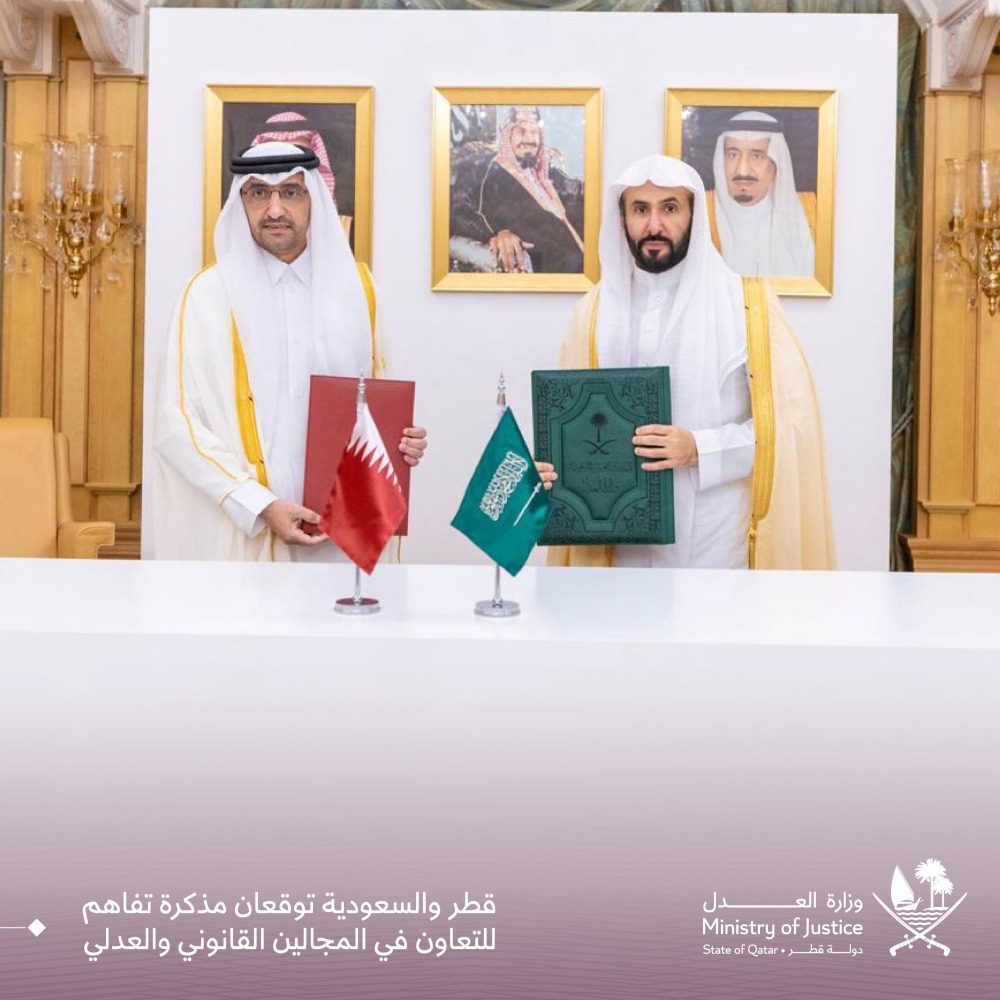

Riyadh, Saudi Arabia – Qatar participated in the Second International Judicial Conference held in Riyadh this week, signaling the nation’s commitment to enhancing its justice system and strengthening international legal collaboration. The conference, convened under the patronage of Saudi Crown Prince Mohammed bin Salman, brought together legal professionals from around the globe to discuss key challenges and best practices in judicial administration. Qatar’s delegation, led by Minister of Justice and Minister of State for Cabinet Affairs Ibrahim bin Ali Al Mohannadi, actively contributed to discussions focused on raising judicial efficiency and promoting alternative dispute resolution.
The conference commenced on November 24th and featured sessions and workshops dedicated to modernizing judicial processes and fostering a more robust legal framework across participating nations. This year’s event aimed to address emerging issues in global law, particularly those concerning digital transformation and international commerce.
Qatar’s Advancements in the Justice System Highlighted
Minister Al Mohannadi underscored Qatar’s dedication to improving the quality of judicial work, citing the country’s recent success in the World Bank’s Doing Business report. Qatar reportedly achieved a leading position in the report’s indicators for the quality of litigation procedures, a reflection of ongoing reforms. The ministry attributed this progress to initiatives undertaken through the National Initiative for the Development of Justice Systems.
These initiatives include a significant push towards digital justice, aimed at streamlining procedures and enhancing transparency. Additionally, the establishment of an Investment and Commerce Court demonstrates Qatar’s focus on facilitating a stable and predictable legal environment for businesses, contributing to its economic diversification goals.
Focus on International Cooperation and Dispute Resolution
Al Mohannadi emphasized the increasing importance of international judicial cooperation, especially in the context of expanding global trade and the complexities of cross-border legal disputes. He noted the necessity of leveraging modern mechanisms to navigate overlapping legislation and rapidly evolving technologies. The Minister specifically praised the existing strong legal partnerships between Qatar and Saudi Arabia.
The conference agenda included extensive discussion of alternative dispute resolution (ADR) methods, such as mediation and arbitration. ADR is seen as a vital tool for alleviating pressure on traditional court systems and providing more flexible and efficient solutions for resolving conflicts. Experts at the conference discussed how effective ADR programs can contribute to a more accessible and responsive legal framework.
However, achieving seamless international judicial cooperation remains a challenge. Differing legal traditions and a lack of standardized protocols can hinder the effective enforcement of judgments and the smooth resolution of cross-border disputes.
Preventive Justice and the Role of the Legal Profession
Beyond reactive dispute resolution, Minister Al Mohannadi highlighted the value of ‘preventive justice’ – proactively designing legal systems that minimize the potential for conflicts to arise. This involves creating clear and predictable regulations that support economic and social development.
The conference also acknowledged the crucial role played by the legal profession in upholding judicial quality. Promoting professionalism and developing advanced legal work mechanisms are essential for ensuring a fair and effective rule of law. Investing in the training and development of lawyers and legal professionals is therefore a key priority.
In contrast to previous approaches, the focus on digitalization is transforming the judicial landscape. Modern technologies not only streamline processes but also improve communication and foster greater trust in the legal system. The implementation of e-courts and online case management systems allows for greater efficiency and accessibility, according to reports from the Ministry of Justice.
The outcomes of the Second International Judicial Conference are expected to inform future policy recommendations and initiatives aimed at enhancing judicial systems globally. While specific timelines for implementing changes discussed at the conference were not detailed, attendees indicated a commitment to continued dialogue and collaboration. Future developments to watch include the progression of Qatar’s National Initiative for the Development of Justice Systems and further advancements in digital court infrastructure.