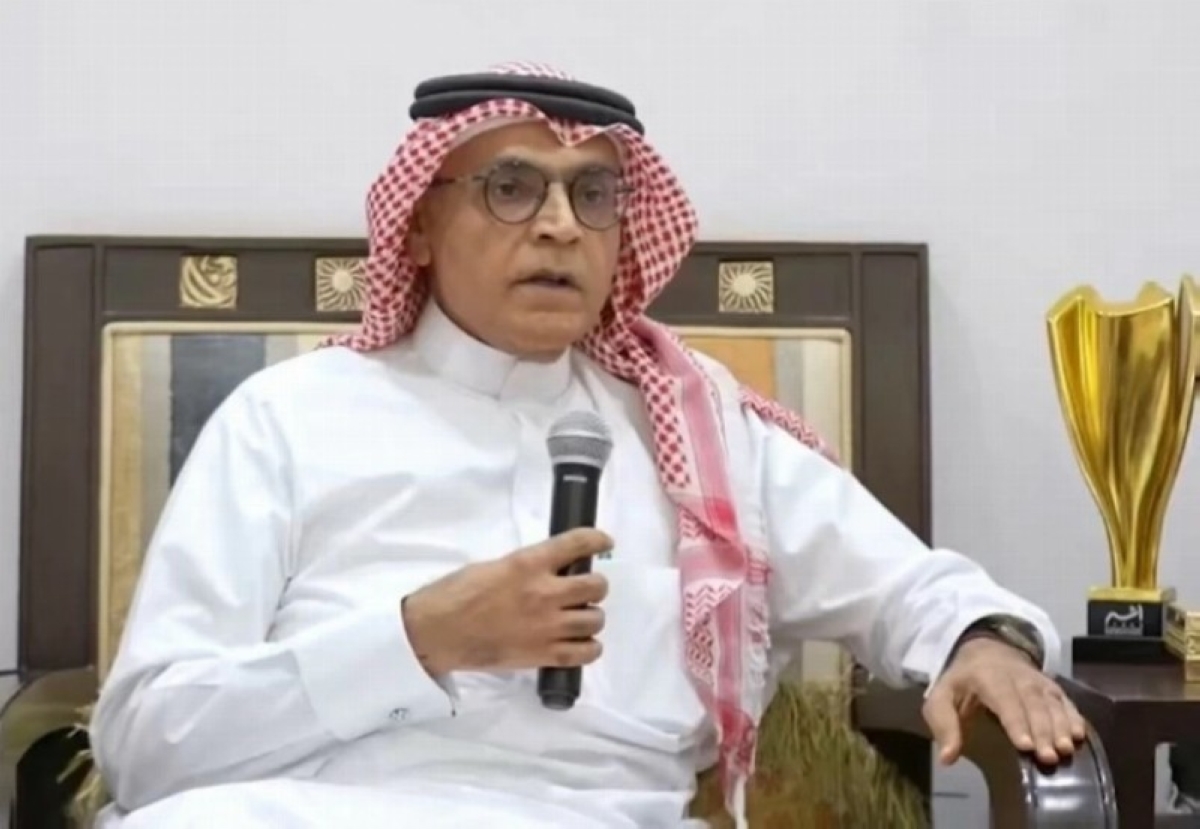

JEDDAH — The Masar Makkah destination, a large-scale urban development project in Saudi Arabia, is poised to significantly improve the experience for Hajj and Umrah pilgrims. Sheikh Abdullah Saleh Kamel, chairman of the Founding Committee and Umm Al Qura Company, recently highlighted the project’s success as a model for public-private partnerships in developing the holy city of Makkah. The initiative aims to streamline access to the Grand Mosque and enhance the overall quality of life for residents.
Located just 4 kilometers from the Grand Mosque, Masar Makkah encompasses 3.7 million square meters of previously underdeveloped land across nine neighborhoods. The project is expected to accommodate over 250,000 people upon completion and represents a substantial investment in Makkah’s infrastructure and urban planning. It’s a key component of Saudi Arabia’s Vision 2030, which prioritizes improving services for pilgrims and fostering sustainable urban growth.
The Evolution of Masar Makkah
The concept for Masar Makkah originated in 2006 with efforts to revitalize unplanned residential areas within the city. Initially known as “King Abdullah Road,” the project was later renamed “King Abdulaziz Road” before undergoing a comprehensive re-launch as the fully integrated destination – Masar. This rebranding reflects a shift from solely focusing on transportation to creating a comprehensive urban experience.
Infrastructure Development
A defining feature of Masar Makkah is the extensive infrastructure built beneath the surface. According to Sheikh Kamel, a complete “underground city” has been constructed, providing essential services and a critical solution to Makkah’s chronic parking challenges. This subterranean network includes approximately 40,000 parking spaces accessible along the entire route.
The project offers multiple transportation options designed to ease congestion and facilitate movement. These include a dedicated underground route, connectivity to the planned Makkah Metro, a bus rapid transit system, a pedestrian walkway, and a dedicated lane for vehicular traffic. The aim is to reduce travel time to the Grand Mosque to as little as five minutes from the Haramain High-Speed Railway station.
Economic Impact and Land Value
The development of Masar Makkah has already had a significant impact on land values in the surrounding areas. Prices per square meter now range from SR400,000 near the Grand Mosque to SR3,000 in more distant locations, demonstrating the project’s influence on property markets. This increase reflects both the improved accessibility and the enhanced development quality within the Masar zone.
Additionally, the project is proving to be a successful commercial venture. Umm Al Qura Company, the developer of Masar Makkah, is now publicly listed on the stock market and reportedly performing well, indicating investor confidence in the project’s long-term viability. Saudi Arabia’s broader efforts towards urban regeneration are also exemplified by this success.
A Vision for Quality of Life in Makkah
Sheikh Kamel emphasized that Masar Makkah isn’t simply a development endeavor; it is a passion project aimed at dramatically improving the quality of life in Makkah. He described the project as being “like a son,” noting his long-term involvement in its conceptualization and implementation.
Looking ahead, the holding company behind Masar is in discussions with the Royal Commission for Makkah City and Holy Sites to expand the project’s scope. Plans are underway to potentially acquire and develop additional underdeveloped neighborhoods in Makkah, applying the same principles of integrated development and efficient transportation. Supporting pilgrim pathways is a major component of the larger vision.
A key element of this expanded vision is a commitment to green spaces. The proposed plan allocates 30 percent of each developed neighborhood to public parks, signaling a shift towards creating a more livable and humane urban environment. This emphasis on parks and recreational areas aims to transform the atmosphere of Makkah for both residents and visitors.
The success of Masar also informs ongoing discussions on improving city infrastructure in Makkah beyond the immediate project footprint. The overarching goal remains to alleviate congestion and enhance the experience of those traveling to the holiest city in Islam.
The next steps involve finalizing agreements with the Royal Commission for expansion, along with continued development of the integrated transportation network. The completion of the Makkah Metro remains a critical component and potential bottleneck, with its timeline impacting the full realization of Masar’s benefits. Observers will be watching for further announcements regarding the integration of these large-scale projects to streamline access to the holy sites and ease the journey for millions of pilgrims.