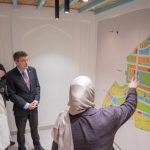
Bahrain continues to demonstrate leadership in social development, particularly in providing quality housing solutions for its citizens. Recent discussions between German Ambassador to Bahrain, His Excellency Henning Simon, and Bahraini officials highlight the Kingdom’s advancements in this crucial sector. The Ambassador’s field visit to housing projects in Salman City underscores Bahrain’s commitment to modern, sustainable social housing and offers potential avenues for international collaboration. This exploration into Bahrain’s housing initiatives signals a growing global interest in effective and citizen-centric approaches to urban development.
Bahrain Showcases its Innovative Social Housing Projects
His Excellency Henning Simon, accompanied by the Undersecretary of the Ministry of Housing, H.E. Fatima Al-Mannai, recently embarked on a tour of key developments in Salman City. This visit wasn’t merely observational; it was a deep dive into Bahrain’s history of addressing housing needs and a look at its current, forward-thinking strategies. The primary focus was on showcasing the Kingdom’s dedication to providing not just shelter, but thriving communities with high-quality urban design.
The tour included the Visitors Center, offering a comprehensive overview of Bahrain’s overall housing vision, and the Al Naseem Neighborhood, a particularly notable project. Al Naseem stands out as a prime example of a successful public-private partnership contributing to the delivery of modern residences. These partnerships are becoming increasingly important in tackling the challenges of rapidly growing urban populations.
A Focus on Modern Design and Sustainability
Bahrain’s approach to social housing is evolving beyond simply building homes. The briefings provided to Ambassador Simon emphasized a strong focus on creating sustainable and aesthetically pleasing environments. This includes careful consideration of urban planning principles, incorporating green spaces, and utilizing modern construction techniques.
The emphasis on sustainability isn’t just environmental. It extends to the long-term viability of the communities being built, ensuring residents have access to essential services, employment opportunities, and a good quality of life. This holistic view is garnering attention internationally.
German Interest in Bahrain’s Housing Expertise
The German Ambassador expressed significant praise for the advancements observed in Salman City, highlighting the high standards of development and the clear dedication to resident well-being. He specifically noted the “advanced level of projects” and the apparent success in integrating thoughtful urban design.
Beyond admiration, Germany has voiced a keen interest in establishing a collaborative exchange of expertise with Bahrain in the fields of housing and urban planning. This potential partnership could benefit both nations. Germany is renowned for its engineering prowess and sustainable building technologies, while Bahrain has adapted innovative models for rapid and effective housing delivery within a specific socio-economic context.
Potential Areas of Collaboration in Urban Development
Several areas could be particularly fruitful for collaboration. These include:
- Sustainable Building Materials: Sharing knowledge on environmentally friendly and cost-effective construction materials.
- Urban Infrastructure Planning: Exchanging best practices in designing and implementing infrastructure to support growing communities.
- Financing Models for Social Housing: Investigating diverse funding mechanisms for affordable housing projects.
- Smart City Technologies: Integrating technology to enhance the efficiency and livability of urban areas.
This willingness to share knowledge underlines a broader trend toward international cooperation in addressing global challenges related to urbanization and housing affordability. The Kingdom has also been focusing on improving citizen accessibility to housing finance options.
The Rise of Public-Private Partnerships in Bahraini Housing
A key takeaway from Ambassador Simon’s visit is the success of Bahrain’s public-private partnership (PPP) model in delivering social housing. Al Naseem Neighborhood serves as a tangible illustration of how collaboration between the government and private sector can accelerate the development process and improve project outcomes.
PPP arrangements allow the government to leverage the efficiency, innovation, and financial resources of the private sector. This results in faster project completion, reduced costs, and ultimately, more homes for Bahraini citizens. Furthermore, these partnerships often encourage higher quality design and construction standards, as private companies have a vested interest in the long-term success of the project. The government’s commitment to enabling real estate development through PPPs is clearly paying dividends.
Looking Ahead: Bahrain’s Continued Commitment to Housing
Bahrain’s proactive approach to social housing, coupled with its willingness to explore international partnerships, positions the Kingdom as a leader in sustainable and equitable urban development in the region. Ambassador Simon’s visit serves as a valuable endorsement of Bahrain’s vision and strategies.
The ongoing investment in modern housing projects, the prioritization of sustainability, and the effective utilization of partnerships all point towards a promising future for Bahraini citizens. As urbanization continues to accelerate globally, the lessons learned from Bahrain’s experience will undoubtedly be of increasing interest and value to other nations facing similar challenges.
To learn more about Bahrain’s housing initiatives and future plans, visit the official website of the Ministry of Housing and Urban Planning. You can also explore recent news and developments in Bahrain’s real estate sector through local news outlets.