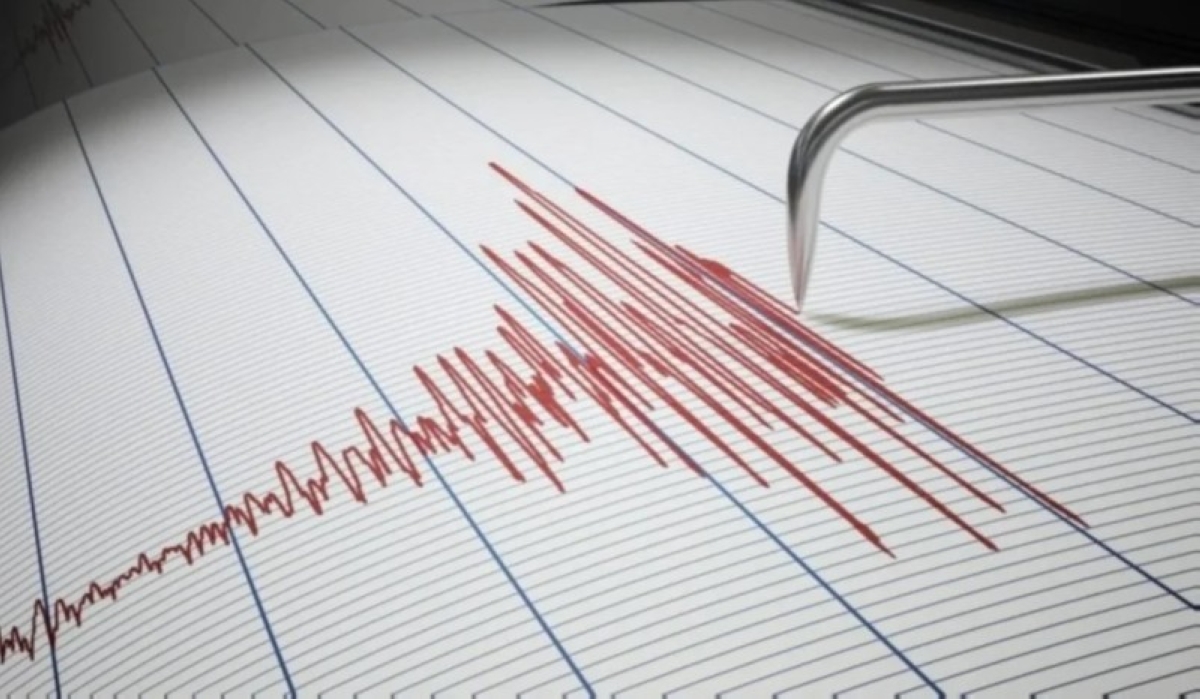

Saudi Arabia and neighboring Iraq experienced seismic activity on Saturday, with the Saudi Geological Survey (SGS) registering two earthquakes. The tremors, occurring in the Harrat Al-Shaqa volcanic field and in Iraq, prompted monitoring but posed no immediate reports of damage or casualties. This event underscores the seismic reality of the Arabian Peninsula, a region not traditionally associated with frequent earthquakes.
The first earthquake was detected approximately 86 kilometers northwest of Harrat Al-Shaqa, a significant lava field situated between Al-Ais in the Madinah region and Umluj in the Tabuk Province. According to the SGS’s National Seismic Monitoring Network, this quake registered a magnitude of 3.43 on the Richter scale. The second, and stronger, earthquake was recorded in Iraq registering 5.09 on the scale.
Understanding the Recent Earthquakes in Saudi Arabia
While relatively minor, the 3.43 magnitude earthquake in Saudi Arabia is notable given the geological context of Harrat Al-Shaqa. This region is part of the larger East African Rift System, a tectonically active zone where the Arabian Plate is separating from the African Plate. This separation causes stress and occasional seismic releases, though major earthquakes are statistically infrequent.
The East African Rift Valley extends through several countries, and seismic activity is normally monitored and anticipated. However, the Arabian plate’s internal stresses and volcanic activity contribute to localized seismic events like the one observed on Saturday. The SGS continuously monitors this area for changes in seismic activity.
Geological Factors in the Region
Harrat Al-Shaqa itself is a large volcanic field, covering an area of approximately 180 kilometers. It was formed by numerous basaltic lava flows over millions of years. According to geological studies, the area remains volcanically and seismically active, although eruptions are rare.
The earthquakes’ depths are also important considerations. The SGS did not immediately release depth information for the Saudi tremor, which impacts estimates about surface intensity. Shallower earthquakes typically result in more noticeable ground shaking than deeper ones of the same magnitude.
Meanwhile, the 5.09 magnitude seismic event in Iraq is likely related to ongoing tectonic stresses within the collision zone between the Arabian and Eurasian plates. The region frequently experiences moderate earthquakes due to this complex geological interaction. Reports from Iraq indicated the quake was felt in several provinces, but significant damage has not yet been reported by official sources.
The Arabian Peninsula’s limited historical earthquake data presents challenges for risk assessment. However, the SGS is working to improve its monitoring capabilities and develop more accurate seismic hazard maps. This involves deploying a denser network of seismographs and analyzing historical data to identify patterns of ground motion.
The Saturday events are a reminder that earthquakes, though uncommon, are a natural phenomenon in Saudi Arabia and surrounding areas. The SGS’s monitoring network is designed to detect and analyze these events, providing valuable data for understanding regional seismicity and potential risks. The data collected informs building codes and emergency preparedness plans.
Although the registered magnitudes were relatively low, any earthquake can cause concern. The SGS assures the public that they are committed to providing timely and accurate information regarding seismic activity within the Kingdom. This includes public education programs designed to enhance awareness of earthquake safety procedures.
Furthermore, the events highlight the interconnectedness of geological phenomena across national borders. Collaboration between the SGS and geological surveys in neighboring countries, such as Iraq, is crucial for a comprehensive understanding of regional seismic hazards. This collaboration also facilitates the sharing of data and expertise.
Secondary keywords relating to this event include “volcanic activity” and “tectonic plates”. These concepts are both central to understanding the causes and implications of the earthquakes. Monitoring Tectonic plates in the region is ongoing.
The impact of these earthquakes on local communities appears to be minimal currently. However, the SGS continues to analyze aftershock patterns and assess the potential for further seismic activity in the short term. Constant monitoring is ongoing to identify any potential changes.
The SGS plans to publish a more detailed report on the Saturday earthquakes, including precise location data, depth of the hypocenter, and analysis of the fault mechanism, within the next 72 hours. These reports are made available on the SGS website and shared with relevant government agencies and research institutions. Future reports will focus on enhancing earthquake prediction within the region.