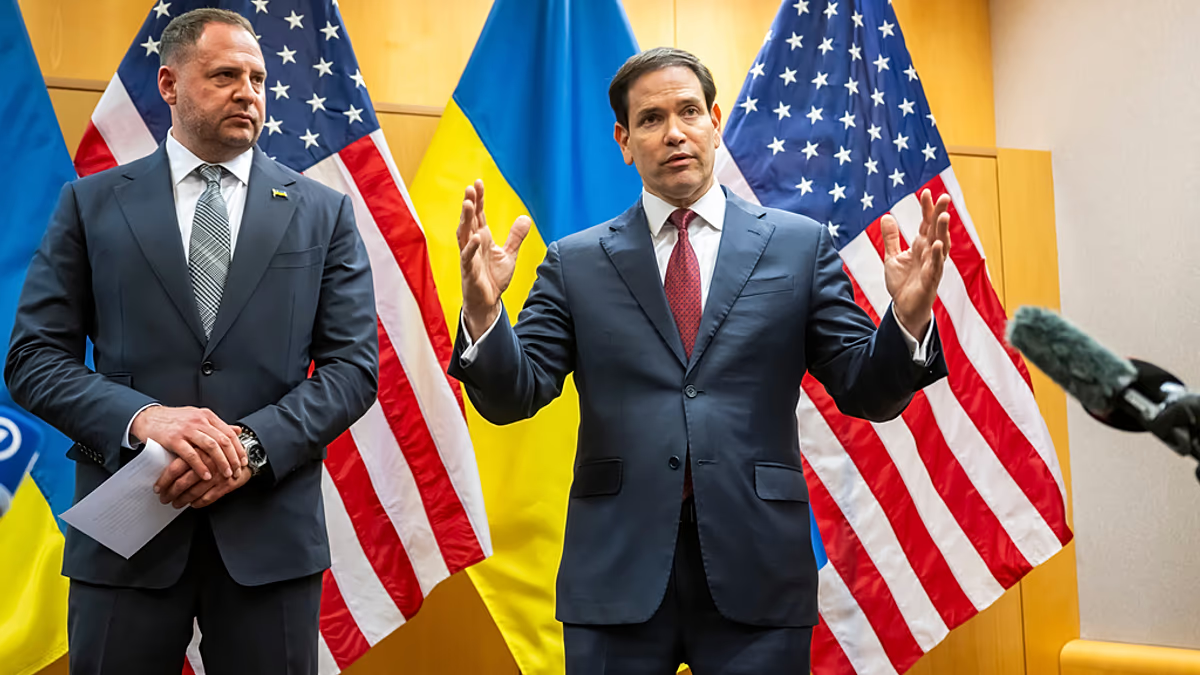

Geneva hosted a significant round of Ukraine peace talks on Sunday, with US Secretary of State Marco Rubio describing the discussions as the most productive in ten months. While no formal agreement was reached, the talks represent a potential shift in diplomatic efforts to resolve the ongoing conflict. The focus centered on a US-proposed peace plan that has drawn scrutiny from some European allies concerned it may be overly accommodating to Russia.
The meetings, which continued into Monday, involved key international players seeking a path toward de-escalation. Ukrainian President Volodymyr Zelenskyy expressed gratitude for the increased international support, signaling a renewed optimism for diplomatic solutions. However, the path forward remains uncertain, particularly given differing perspectives on the terms of any potential settlement.
Progress in Ukraine Peace Talks, But Challenges Remain
According to Rubio, the discussions were “very worthwhile” and demonstrated a positive momentum not seen in recent months. He indicated a willingness to continue negotiations throughout the week, suggesting a possible separation of European concerns from the core issues between Russia and Ukraine. This approach could allow for more focused discussions on specific aspects of a potential peace agreement.
Despite the positive assessment, Rubio emphasized that any final proposal would require approval from Moscow. This acknowledgment highlights the continued importance of Russia’s participation in any lasting resolution to the conflict. The US administration has been navigating a delicate balance between supporting Ukraine and seeking a diplomatic off-ramp.
Zelenskyy echoed the optimistic sentiment, stating on X (formerly Twitter) that diplomacy had been “reinvigorated.” He thanked international partners for their support, advice, and information, recognizing the collective effort to find a peaceful solution. This public expression of gratitude underscores Ukraine’s desire for a negotiated end to the hostilities.
Differing Views and External Pressures
The US peace plan has faced criticism, with some observers suggesting it leans too heavily in favor of Russia. Reports indicated that senators were briefed on a proposal that originated with Russia and appeared to reflect Kremlin priorities. This has raised concerns about the credibility and fairness of the plan.
Meanwhile, former US President Donald Trump publicly criticized Ukraine for a perceived lack of gratitude for past US aid. He issued a deadline for Ukraine to respond to a proposed solution, though he later hinted at potential flexibility. This external pressure adds another layer of complexity to the already challenging negotiations.
The situation is further complicated by the ongoing military dynamics on the ground. The Council on Foreign Relations provides ongoing analysis of the conflict and its geopolitical implications. While diplomatic efforts are underway, fighting continues in eastern Ukraine, hindering progress toward a ceasefire.
The proposed peace plan reportedly addresses issues such as territorial concessions and security guarantees. However, the specifics remain largely undisclosed, fueling speculation and debate among analysts and policymakers. The core disagreement centers around the status of territories occupied by Russia since 2014, including Crimea.
European allies, while supportive of a peaceful resolution, have voiced concerns about the potential long-term consequences of a settlement that does not adequately address Ukraine’s sovereignty and territorial integrity. They are advocating for a more robust approach that holds Russia accountable for its actions. The differing perspectives highlight the challenges of forging a unified international response to the conflict.
The coming days will be crucial as negotiators continue to refine the US peace plan and seek common ground. The focus will likely be on addressing the concerns raised by European allies and securing a commitment from Russia to engage in good-faith negotiations. The success of these peace talks will depend on the willingness of all parties to compromise and prioritize a lasting resolution to the conflict. Further developments in the Ukraine conflict are expected as discussions continue.
Stay informed about the evolving situation in Ukraine and the progress of these critical peace negotiations by following reputable news sources and analysis from organizations like the Council on Foreign Relations.