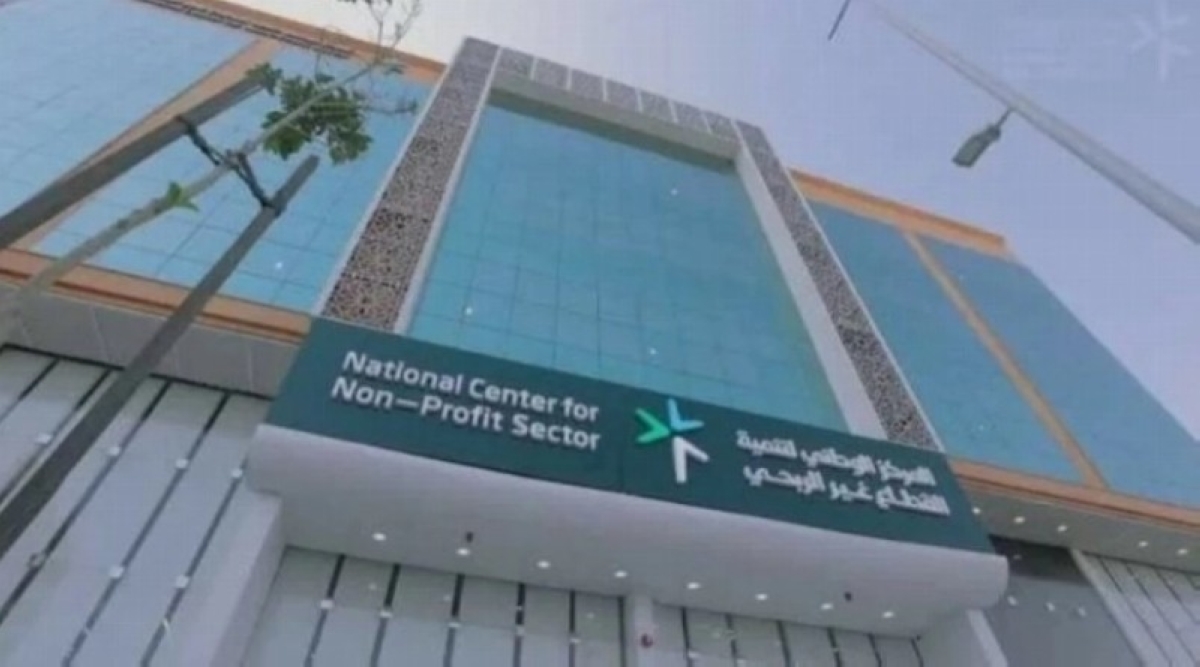

Recent enforcement actions by the National Center for Non-Profit Sector (NCNP) in Saudi Arabia signal heightened scrutiny of the Kingdom’s non-profit organizations. The NCNP has issued warnings, dismissed boards, revoked licenses, and referred multiple entities for legal action due to regulatory violations, demonstrating a commitment to upholding standards within the sector. This comes as Saudi Arabia continues to develop and formalize its non-profit landscape as part of Vision 2030.
The measures, announced this week, affect a range of organizations and individuals connected to the non-profit sector in Riyadh and across Saudi Arabia. Actions taken include 397 warning notices served to NGOs and individuals, alongside more severe consequences such as license revocations and the referral of 71 entities to relevant authorities. The NCNP is also focusing on compliance with fundraising regulations, a critical aspect of non-profit accountability.
Strengthening Oversight of Non-Profit Organizations in Saudi Arabia
The NCNP’s actions reflect a broader push to regulate and professionalize the non-profit sector in Saudi Arabia. This effort aligns with the national Vision 2030 plan, which aims to diversify the economy and increase the contribution of the non-profit sector to social and economic development. The Ministry of Human Resources and Social Development established the NCNP in 2021 to oversee this rapidly growing area.
According to the NCNP statement, a significant portion of the enforcement relates to fundraising activities. Eleven notices for fundraising violations were issued, eight hearings were conducted, and 77 reports of infractions were addressed, indicating a focus on ensuring transparency and legal compliance in financial solicitations. The Kingdom has been working to streamline fundraising processes and increase accountability to both donors and beneficiaries.
Focus on Influencer Marketing and Advertising
Notably, the NCNP also summoned two social media influencers for questioning. This investigation centers on potential violations of the Fundraising Law, which prohibits advertising for unlicensed organizations. This represents a new dimension in enforcement, acknowledging the role of digital marketing and social media in modern fundraising efforts.
This scrutiny highlights the NCNP’s interpretation that influencers can be held responsible for verifying the legitimacy of the organizations they promote and for adhering to advertising regulations related to fundraising. This action underscores the rising importance of due diligence for public figures engaging in promotional activities for charities and non-governmental bodies. It also emphasizes the NCNP’s commitment to protecting potential donors.
Beyond Fundraising: Governance and Compliance
The NCNP’s actions extend beyond fundraising regulations. The dismissal of three NGO boards of directors suggests serious breaches of governance or operational standards. Similarly, the merger of two NGOs and the nullification of one organization’s election results points toward internal disputes or non-compliance issues that required intervention.
Two NGOs and one family fund had their licenses revoked, a severe penalty indicating fundamental failures to meet regulatory requirements. A further warning notice was served to a family fund. These licensing decisions likely followed formal investigations and due process procedures as outlined in the NCNP’s bylaws. The stringent approach signals that maintaining a license requires ongoing adherence to evolving regulations.
The NCNP has been actively clarifying its expectations for NGO compliance and governance. This has included the release of detailed guidelines and the implementation of online training programs for non-profit leaders and staff. The leadership at NCNP have repeatedly called for greater professionalism and accountability within the sector.
The center is actively encouraging self-reporting of issues. They have urged both individuals and organizations to proactively address any potential infractions. The NCNP provides multiple channels for communication, including a unified call center (19918), their website (ncnp.gov.sa), and social media platforms. This accessibility is intended to facilitate transparency and encourage cooperation in ensuring regulatory adherence.
The increased oversight of Saudi charities also speaks to broader efforts to combat financial crimes and ensure that funds allocated to the social sector are used effectively and ethically. This is a key priority under Vision 2030 as the government seeks to build public trust in non-profit organizations and encourage greater civic engagement. Strengthening the legal framework surrounding charities and nonprofits is seen as a crucial step in this process.
Following these recent enforcements, the NCNP reiterated the importance of collaboration between the center, individuals and organizations to foster the growth of the non-profit sector and maximize its impact. The NCNP believes that productive partnerships will help achieve the wider national objectives outlined in Vision 2030.
Looking ahead, the NCNP is expected to continue its enforcement efforts and further refine its regulatory framework. A key indicator to watch will be the implementation of new technologies, like digital auditing tools, to enhance monitoring and compliance. Amendments to the fundraising laws are also possible, particularly concerning social media advertising and the reporting of financial information. The NCNP has not specified a timeline for future policy updates, but ongoing evaluation of the sector’s performance is anticipated.