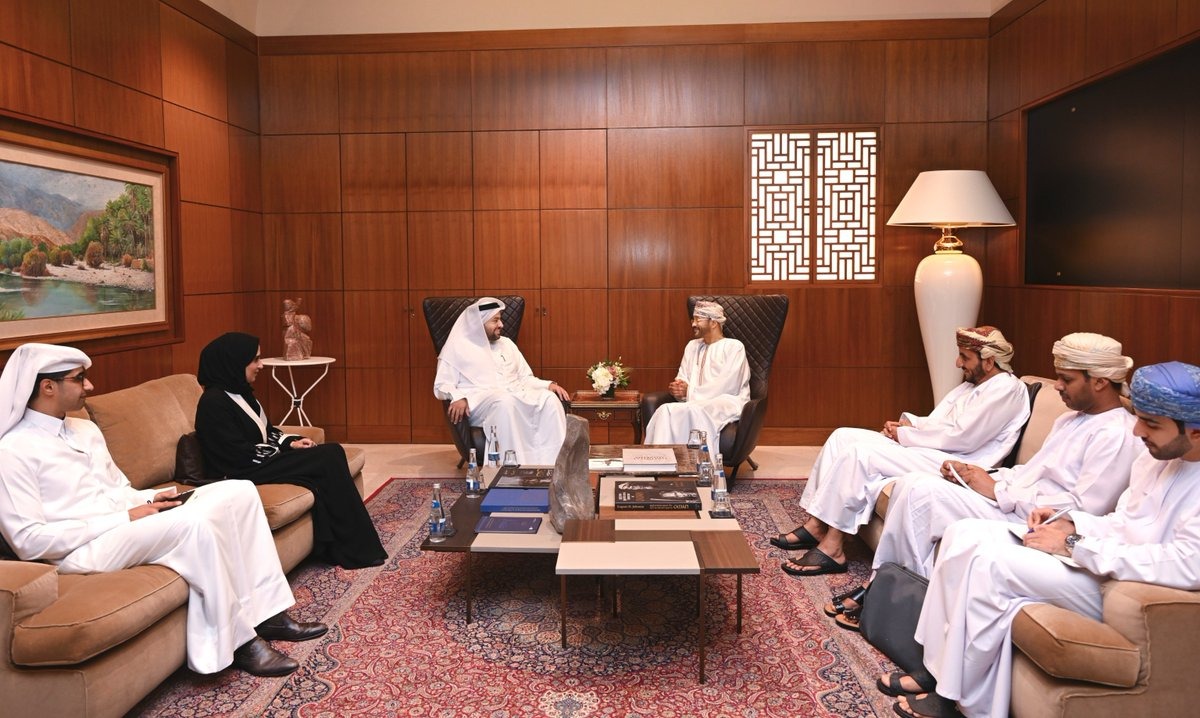

Qatar and Oman reaffirmed their commitment to regional stability and strengthened diplomatic ties during a meeting in Muscat on Sunday between Qatar’s Minister of State at the Ministry of Foreign Affairs, Dr. Mohammed bin Abdulaziz bin Saleh Al Khulaifi, and Oman’s Minister of Foreign Affairs, Badr bin Hamad bin Hamoud Al Busaidi. Discussions centered on bilateral relations, with a particular focus on collaborative efforts in mediation and conflict resolution, as well as pressing regional issues. The meeting underscores the ongoing diplomatic efforts by Gulf nations to address complex geopolitical challenges.
The officials convened in Muscat, Oman, on November 26, 2023, to exchange views on matters of mutual concern, according to statements released by both countries. A significant portion of the conversation was dedicated to the deteriorating humanitarian situation in Gaza and the occupied Palestinian territories, reflecting the shared anxieties of Qatar and Oman regarding the conflict. The talks also covered broader regional developments and potential avenues for de-escalation.
Strengthening Qatar-Oman Bilateral Relations
The meeting highlights the consistently positive relationship between Qatar and Oman, which has seen increased cooperation in recent years. Both nations share a commitment to peaceful diplomacy and have often aligned on regional issues, prioritizing dialogue and negotiation over confrontation. This shared approach is particularly notable within the Gulf Cooperation Council (GCC), where differing perspectives sometimes emerge.
A key area of collaboration discussed was mediation and conflict resolution. Both Qatar and Oman have historically played roles in facilitating talks between conflicting parties in the region, and the ministers explored ways to enhance these efforts. This includes potential joint initiatives and the sharing of expertise in navigating complex diplomatic landscapes. The focus on diplomacy suggests a preference for addressing regional crises through non-military means.
Regional Concerns and the Gaza Conflict
The escalating violence in Gaza and the West Bank dominated a large part of the discussions. Both Qatar and Oman have voiced strong condemnations of the conflict and have been actively involved in providing humanitarian aid to the affected population. While specific details of their proposals were not publicly released, the ministers reportedly shared perspectives on potential steps towards a ceasefire and a lasting political solution.
Qatar has been a key player in mediating between Israel and Hamas, alongside Egypt and the United States. These efforts successfully secured the release of some hostages and facilitated the entry of humanitarian assistance. Oman, while maintaining its traditional stance of impartiality, has also been engaged in discreet talks with various stakeholders to encourage de-escalation. The situation in Palestine remains a critical foreign policy concern for both nations.
In addition to Gaza, the ministers likely addressed other regional hotspots, including the ongoing conflicts in Yemen and Sudan. Oman has been actively involved in peace talks regarding Yemen, while Qatar has provided significant humanitarian assistance to both Yemen and Sudan. These ongoing crises present significant challenges to regional stability and require sustained diplomatic engagement.
However, the meeting also took place against a backdrop of broader geopolitical tensions, including the ongoing rivalry between Iran and Saudi Arabia, and the involvement of external powers in the region. These factors undoubtedly influenced the discussions and underscored the need for a unified Gulf approach to maintaining security and stability. The need for regional security was implicitly acknowledged by the scope of the conversation.
The Qatari Ministry of Foreign Affairs has consistently emphasized the importance of a multilateral approach to resolving regional conflicts, and this meeting with Oman appears to be a continuation of that strategy. Oman’s neutral stance and established relationships with various actors make it a valuable partner in these diplomatic endeavors.
Looking ahead, further consultations between Qatar and Oman are expected as they continue to monitor the evolving situation in the region. The success of their mediation efforts, particularly concerning Gaza, will depend on the willingness of all parties to engage in good-faith negotiations. The coming weeks will be crucial in determining whether a sustained ceasefire can be achieved and whether a path towards a long-term resolution can be forged. The international community will be watching closely to see if these diplomatic initiatives yield tangible results.
Qatar’s Ministry of Foreign Affairs provides further information on the country’s diplomatic efforts. The Omani Ministry of Foreign Affairs also offers insights into the Sultanate’s foreign policy.