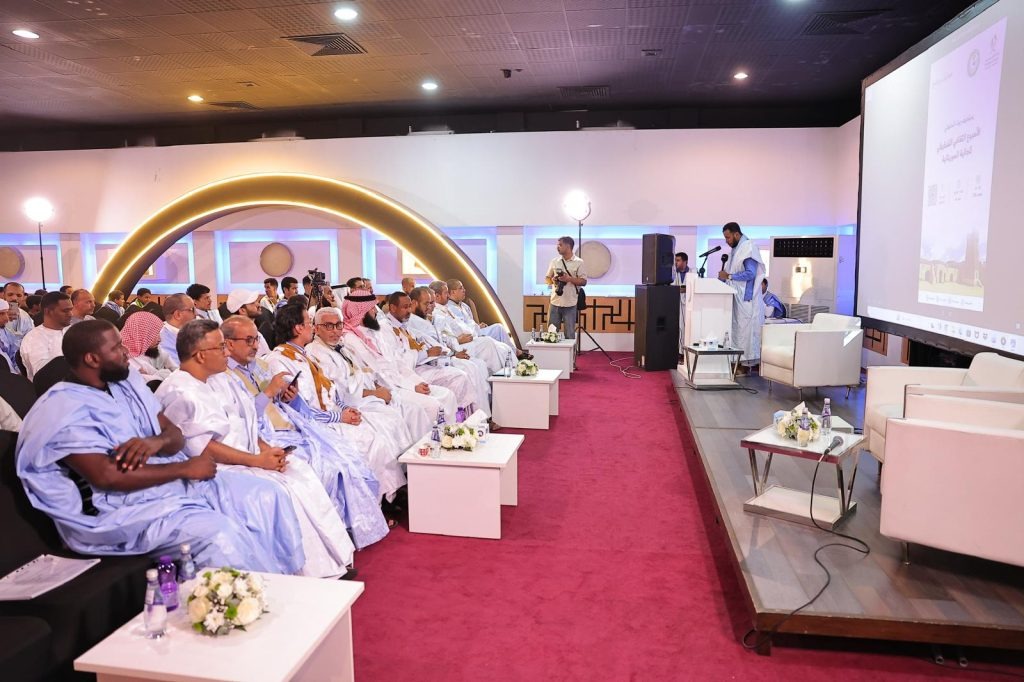

Doha, Qatar – The Ministry of Culture of Qatar, in collaboration with the Mauritanian Community Office in Doha, recently concluded a week-long celebration of Mauritanian culture. The event honored the 65th anniversary of the Islamic Republic of Mauritania’s independence and marked five decades of established diplomatic ties between Mauritania and Qatar. The cultural week, held at Bait Al Sulaiti, aimed to strengthen bilateral understanding and showcase Mauritania’s rich heritage.
The celebration, which began on November 23rd and concluded on [Assume November 29th], drew significant attendance from governmental officials and representatives of both nations’ cultural communities. Festivities included an exhibition of traditional crafts, poetry readings, and academic lectures focusing on the evolving relationship between the two countries, as well as reflections on current global events. The event highlighted the historical and cultural connections alongside the modern political and economic partnerships.
Celebrating Mauritania: A Week of Culture and Diplomacy
The Mauritanian Cultural Week represented a concerted effort by Qatar to foster closer ties with its partners in the African continent. While Qatar’s relationships with Arab nations are well established, initiatives like this demonstrate a growing focus on diversifying its international engagements and promoting cultural exchange with countries like Mauritania. This emphasis on cultural diplomacy is becoming increasingly common in international relations.
The opening day featured an exhibition of authentic Mauritanian cultural artifacts and handcrafts, offering visitors a tangible connection to the country’s artistic traditions. Items on display showcased the diverse skills and creativity of Mauritanian artisans, providing insights into the country’s history and lifestyle. According to attendees, the exhibition was a popular draw, enhancing appreciation for Mauritanian art.
Poetry and Perspective
A poignant aspect of the inaugural events involved poetry readings from Mauritanian writers Mahfouz Ould Abu and Dr. Adi Ould Adbba. Their works skillfully intertwined celebratory verses acknowledging Mauritania’s heritage with powerful expressions of solidarity concerning the ongoing humanitarian crisis in Palestine and the situation in Gaza. This intersection of cultural pride and global awareness resonated deeply with the audience.
Academic Discussions on Bilateral Relations
Two scholarly lectures formed a core component of the cultural program. The first offered a prospective analysis of Qatar-Mauritania relations, examining possibilities for expanded cooperation following 50 years of diplomatic engagement. The lecture explored potential avenues for collaboration in areas such as investment, education, and energy.
Meanwhile, the second lecture provided a historical overview of Mauritania’s 65 years of independence, concentrating on the nation’s battles for sovereignty and outlining its vision for the future. This included an examination of the challenges the country has overcome, and the aspirations of its people. The ministry said that the lectures were intended to provide a deeper understanding of Mauritania’s journey.
Diplomatic ties between Qatar and Mauritania were formally established in 1973, evolving from initial cooperation focused on mutual support within international organizations to broader collaborations encompassing economic and political spheres. Qatar has consistently expressed its commitment to supporting Mauritania’s development initiatives, and the two nations have exchanged high-level visits in recent years to reaffirm their partnership. Increased investment, particularly in Mauritania’s infrastructure, has been a characteristic of this deepening connection.
The week also informally promoted African heritage within Qatar’s diverse population. Events like this serve to increase cultural awareness and encourage integration among expatriate communities, fostering a more inclusive society. Such exchanges highlight the shared values and traditions that bind different cultures together.
Looking ahead, officials from both the Qatari Ministry of Culture and the Mauritanian Community Office have indicated a desire to establish more frequent cultural exchanges. Plans are currently being explored to initiate joint artistic projects and facilitate educational programs that will deepen understanding between the two nations. A formal agreement outlining the next phase of cultural collaboration is anticipated within the next six months, though its specific details remain subject to ongoing discussions.
The success of the Mauritanian Cultural Week sets a positive precedent for future collaborations within the framework of Qatar’s broader strategy to strengthen its relationships with African countries.