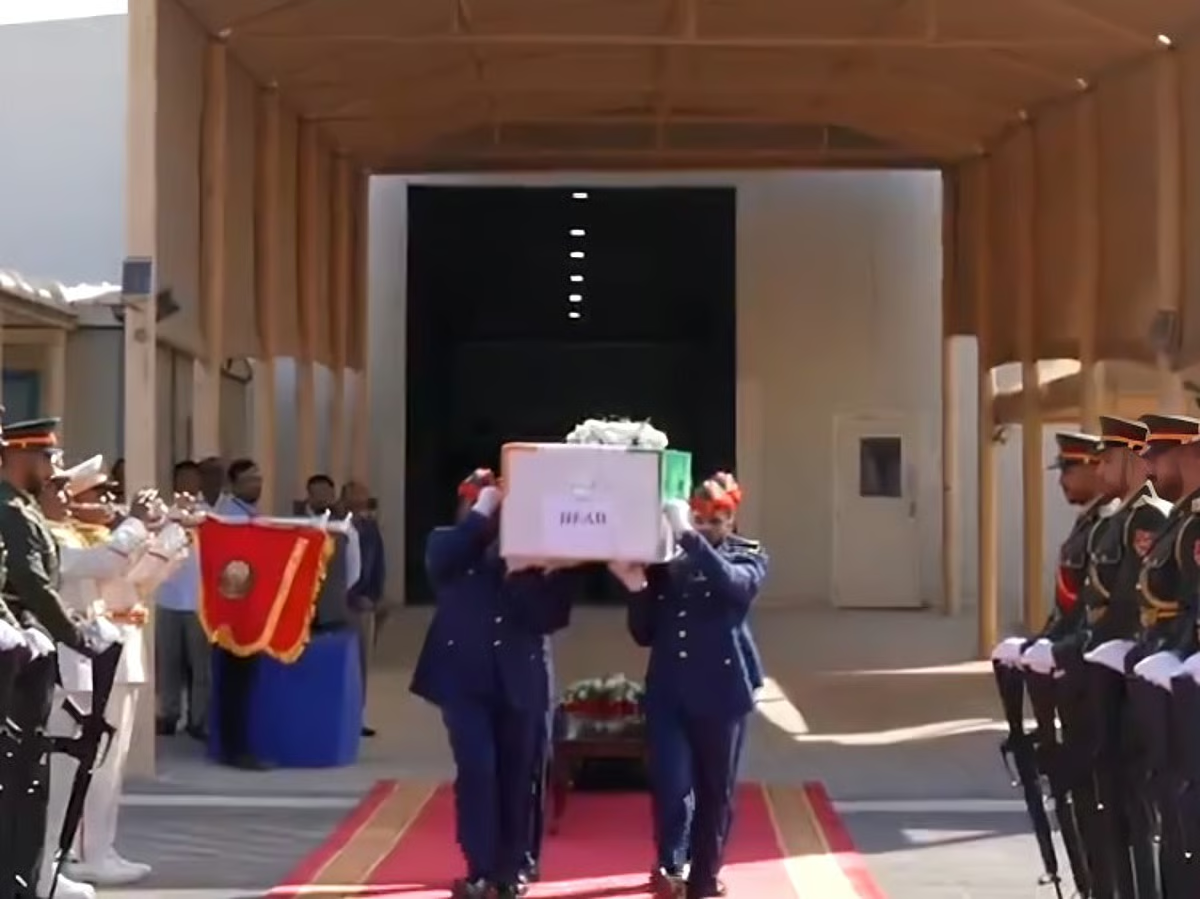

The remains of Group Captain Pranav Kumar, the Indian Air Force (IAF) pilot who died in a crash during the Dubai Airshow on November 14, 2023, have been flown back to India. The accident involved a Tejas trainer aircraft during an aerial display, marking a significant loss for the IAF and raising questions about flight safety protocols at international airshows. The incident occurred at the Al Ain airport, a venue associated with the Dubai Airshow, but separate from the main exhibition site.
Kumar’s remains arrived in New Delhi on November 16th, accompanied by officials from the Ministry of Defence. The Indian government has expressed condolences and initiated a formal investigation into the cause of the Tejas crash. The accident prompted a temporary suspension of flying displays at the airshow while authorities assessed the situation.
Investigation into the Tejas Crash
A Court of Inquiry has been ordered by the Indian Air Force to determine the precise cause of the accident. According to the Ministry of Defence, the inquiry will examine all aspects of the flight, including mechanical failures, human error, and weather conditions. Initial reports suggest the aircraft was performing a maneuver when it crashed, but the specifics remain under investigation.
Factors Under Scrutiny
Several factors are likely to be considered during the investigation. These include:
- Aircraft Maintenance Records: A thorough review of the Tejas aircraft’s maintenance history will be conducted to identify any potential pre-existing issues.
- Pilot Experience and Training: Group Captain Kumar was a highly experienced pilot, but investigators will examine his recent flight logs and training records.
- Air Traffic Control Communications: Recordings of communications between the pilot and air traffic control will be analyzed for any indications of problems.
The Al Ain airport, where the crash occurred, is a dedicated facility for aerobatic displays and flight training. However, the incident has prompted a review of safety procedures at the venue. The Dubai Airshow organizers cooperated fully with Indian authorities following the accident, providing access to data and personnel.
The Tejas Light Combat Aircraft (LCA) is a single-engine, multirole fighter jet developed by the Aeronautical Development Agency (ADA) and Hindustan Aeronautics Limited (HAL) in India. It represents a significant achievement in indigenous aircraft design and manufacturing. The aircraft has been undergoing continuous upgrades and improvements, and the IAF has been gradually increasing its fleet size.
This incident marks the first crash of a Tejas aircraft during a public display. Previously, there have been minor incidents during testing and training, but none resulting in fatalities during a demonstration. The crash has understandably raised concerns about the aircraft’s reliability and safety, particularly in high-stress maneuvers.
Meanwhile, the Dubai Airshow continued with its scheduled events after a brief pause. Other participating air forces and aviation companies expressed their condolences and reaffirmed their commitment to flight safety. The show featured a wide range of commercial and military aircraft, attracting visitors and industry professionals from around the globe. The event also showcased advancements in aviation technology, including unmanned aerial vehicles and sustainable aviation fuels.
In contrast to the immediate focus on the crash, the Dubai Airshow also highlighted significant deals and partnerships within the aerospace industry. Boeing and Airbus announced substantial orders from regional airlines, demonstrating continued growth in air travel demand. Several defense contracts were also signed, reflecting the ongoing geopolitical tensions in the Middle East. These developments underscore the importance of the airshow as a platform for international collaboration and business development.
Additionally, the incident has sparked debate about the risks associated with aerial displays at airshows. Some aviation experts have called for stricter regulations and enhanced safety measures to prevent future accidents. These proposals include limiting the types of maneuvers allowed during displays and increasing the distance between aircraft and spectators. The debate is likely to continue as the investigation progresses and more information becomes available.
The Indian Ministry of Defence has assured the public that a transparent and thorough investigation will be conducted. The findings of the Court of Inquiry will be made public, and any necessary corrective actions will be taken to prevent similar incidents from occurring in the future. The ministry also emphasized its commitment to supporting the families of the deceased pilot. The investigation is expected to take several weeks to complete, with a preliminary report anticipated by the end of December 2023.
The focus now shifts to the detailed analysis of flight data recorders and other evidence collected from the crash site. Investigators will also interview witnesses and experts to gain a comprehensive understanding of the events leading up to the accident. The outcome of the investigation will have significant implications for the future of the Tejas program and the safety of aerial displays at airshows worldwide. The incident also highlights the inherent risks associated with military aviation and the importance of continuous improvement in safety protocols. Further updates will depend on the findings of the ongoing inquiry and any subsequent actions taken by the Indian Air Force and the Ministry of Defence.