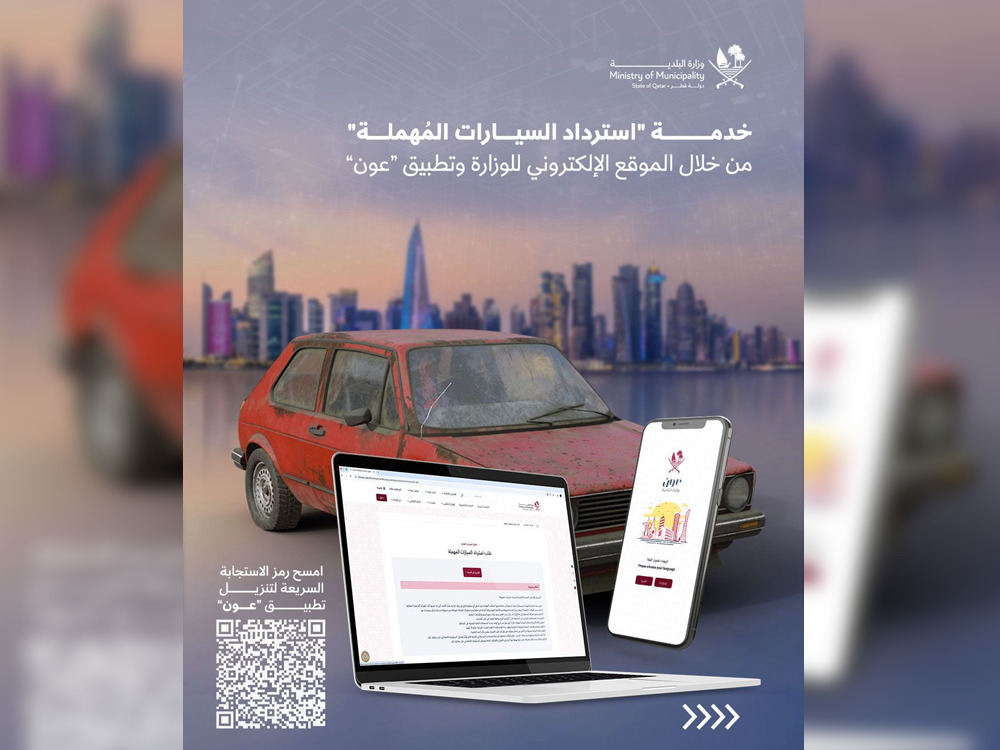

Doha, Qatar – The Ministry of Municipality (MoM) has launched a new, fully electronic service for the abandoned vehicle recovery process, accessible through its website and the “Aoun” application. This initiative, announced this week, aims to streamline the process for owners to reclaim impounded vehicles within the three-month grace period allowed by Qatari law. The service is part of the ongoing digitalization efforts within the Ministry and supports the broader goals of Qatar National Vision 2030.
The launch impacts residents and companies throughout Qatar who may have had vehicles impounded due to parking violations or other infractions. Previously, these recoveries required in-person visits to MoM service centers. Now, individuals can initiate and complete the entire process online, reducing time and logistical burdens. The move addresses a common pain point for vehicle owners needing to retrieve their property.
Streamlined Abandoned Vehicle Recovery Now Available Online
The new electronic system offers a comprehensive platform for managing abandoned vehicle recovery requests. According to the MoM, the service simplifies procedures and expedites processing, eliminating the need for physical visits to service centers. This increases efficiency for both the public and the ministry’s operational teams.
How to Utilize the New Service
Users accessing the service must first log in through the National Authentication System (NAS) on the Ministry’s website. Following login, they select the “Retrieval of Abandoned Vehicles” option and complete the required online form. The Ministry emphasizes the importance of carefully reviewing the terms and conditions before submitting the application.
Upon submission, users are prompted to pay the applicable fees electronically. Once the payment is confirmed, a notification will be sent, informing the user they can proceed to the designated impound lot to collect their vehicle. The MoM has not specified the types of payment methods accepted, but standard electronic payment gateways are anticipated.
The implementation of this service builds upon Qatar’s existing efforts to expand e-government initiatives. Over the past several years, various governmental departments have transitioned services online, aiming to create a more convenient and transparent experience for citizens and residents. This trend is often linked to wider efforts toward economic diversification and attracting foreign investment, as a modern digital infrastructure is key.
The MoM states several advantages are expected from this digitalization. These benefits include automated procedures, an enhanced user experience, and improved coordination amongst entities involved in vehicle impoundment and release. Furthermore, the service supports the ministry’s strategic objectives of improving service delivery and technological advancement. The initiative may also lead to more efficient resource allocation within the MoM related to impound lot management and administration.
The launch of online vehicle recovery aligns with Qatar’s commitment to Qatar National Vision 2030, which prioritizes sustainable development and investment in human capital. The vision aims to transform Qatar into a knowledge-based economy, heavily reliant on technological innovations and efficient government services. Similar digital upgrades are anticipated across other MoM services in the coming months.
The Ministry has encouraged the public to utilize the new digital service and has affirmed its dedication to developing smart solutions that improve service quality. Related services, such as appealing impoundment notices, might potentially become digitized in the future, enhancing convenience further. Additionally, officials have noted an intention to gather user feedback on the initial implementation to identify areas for refinement and improvement, potentially including the integration of a traffic lawyer service.
Looking ahead, the MoM has not publicly indicated a firm timeline for evaluating the service’s impact or implementing additional features. However, observing the user adoption rate and analyzing data on processing times will likely inform future decisions regarding further digitalization of municipal services. Stakeholders should watch for announcements regarding any adjustments to the car impound process based on the performance of this new system.