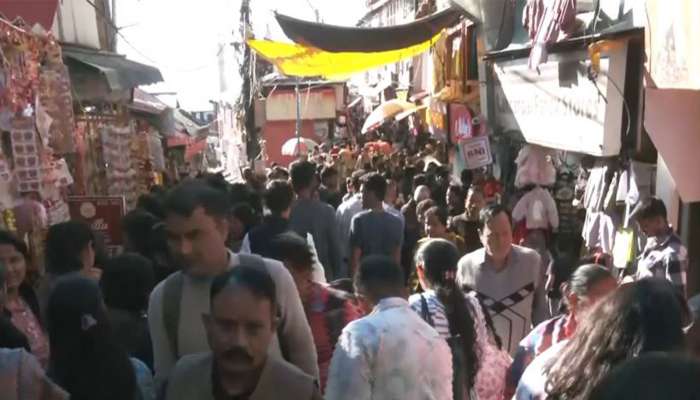

India’s retail landscape is undergoing a dramatic transformation, extending far beyond the bustling metropolises of Delhi, Mumbai, and Bangalore. While these cities traditionally dominated the retail real estate sector, a powerful shift is underway, with smaller cities now rapidly emerging as key growth engines. This evolution, fueled by rising incomes and changing consumer preferences, presents significant opportunities for developers, investors, and brands alike. Recent reports from industry leaders like Cushman & Wakefield and Colliers-CII confirm this exciting trend.
The Rise of Tier II and Tier III Cities in Retail
For years, the focus of retail expansion was squarely on the major metropolitan areas. However, the narrative is changing. Cushman & Wakefield’s Q3 2025 Retail Market Beat highlights a surge in leasing volumes in Tier II and Tier III cities. This isn’t simply about increased space; it’s a strong signal of retailer confidence in the purchasing power and potential of these previously underserved markets.
This confidence is backed by projected growth. The Colliers-CII report, “Real Estate @ 2047: Building India’s Future Growth Corridors,” anticipates India’s overall real estate market could reach a staggering USD 10 trillion by 2047. Crucially, a substantial portion of this future development, especially in the retail sector, is expected to materialize in these smaller cities. This underscores the fundamental shift in where the growth is to be found.
Factors Driving the Expansion
Several key factors are converging to drive this expansion. Rising disposable incomes in Tier II and Tier III cities are empowering consumers to spend more. Simultaneously, infrastructure improvements – better roads, airports, and logistics networks – are making these cities more accessible for retailers and suppliers.
Increasing brand awareness and reach, driven by digital marketing and improved distribution channels, are also playing a vital role. Consumers in these areas are becoming more aware of, and aspiring to, the brands and experiences previously only available in the metros. This shift is reflected in the types of retail formats gaining traction.
A Shift Towards Experiential Retail
The growth in smaller cities isn’t mirroring the traditional retail model. Instead, there’s a pronounced trend towards experiential retail. Consumers in these cities are no longer solely focused on purchasing goods; they are increasingly seeking engaging experiences and lifestyle enhancements.
This demand is driving the development of retail spaces that seamlessly blend shopping with entertainment and dining. Think integrated malls with multiplex cinemas, food courts offering diverse culinary options, and dedicated areas for community events. This focus on creating destinations, rather than simply places to shop, is proving incredibly successful.
Nandini Taneja, CEO of Bhumika Enterprises, aptly summarizes the situation: “Beyond the metros, India’s smaller cities are quickly becoming important retail markets. Consumers in Tier II and Tier III cities are more aspirational today and are spending more on lifestyle and experiences. Because of this, retail in these markets is shifting from unorganised shops to modern, well-designed spaces.”
Key Cities Leading the Charge
Several cities are at the forefront of this retail growth wave. Prakhar Agrawal, Director of the Rama Group, points to Raipur, Vizag (Visakhapatnam), and Bhubaneswar as emerging hubs. These cities, along with others, are seeing a significant influx of retail investment and development.
However, the expansion isn’t limited to these three. Adish Oswal, Chairman of the Oswal Group, emphasizes the potential of cities like Ludhiana, Indore, Jaipur, and Lucknow. “Places like Ludhiana, Indore, Jaipur, and Lucknow are seeing rising incomes, better connectivity and a new sense of aspiration, all of which are creating a real demand for modern retail and lifestyle spaces,” he observes. This suggests a geographically diverse expansion, benefitting a wider range of urban centers.
What’s Selling in Emerging Markets?
Data from Cushman & Wakefield’s Q3 2025 report reveals the key categories driving leasing activity in these emerging markets. Fashion, food and beverage, and entertainment consistently lead the way. This echoes the broader trend of consumers prioritizing experiences over purely transactional shopping.
Interestingly, this isn’t diminishing demand for other retail categories. A growing middle class is also creating a robust market for electronics, home goods, and personal care products. However, these three segments are proving to be particularly potent drivers of growth and attracting the most significant investment. Commercial property focused on these categories is in high demand.
Opportunities for Developers, Investors and Brands
This shift presents a wealth of opportunities for all stakeholders in the retail ecosystem. Developers can capitalize on the demand for modern, well-designed retail spaces by creating integrated developments tailored to the needs of these emerging markets. Investors can benefit from the higher growth potential and attractive returns offered by retail projects in Tier II and Tier III cities.
Brands, meanwhile, can tap into a new and expanding customer base by establishing a presence in these areas. The opportunity to build brand loyalty early on, before competition becomes too intense, is particularly valuable. Additionally, adapting offerings to local preferences and cultural nuances will be crucial for success.
The future of Indian retail is undeniably multi-city, powered by the evolving aspirations of a nationwide consumer base and the growing confidence of investors in the potential of emerging markets. Successfully navigating this new landscape will require a deep understanding of local dynamics, a commitment to innovation, and a focus on creating memorable experiences. This represents a significant opportunity within the broader Indian economy, poised for continued and dynamic expansion in the years to come.