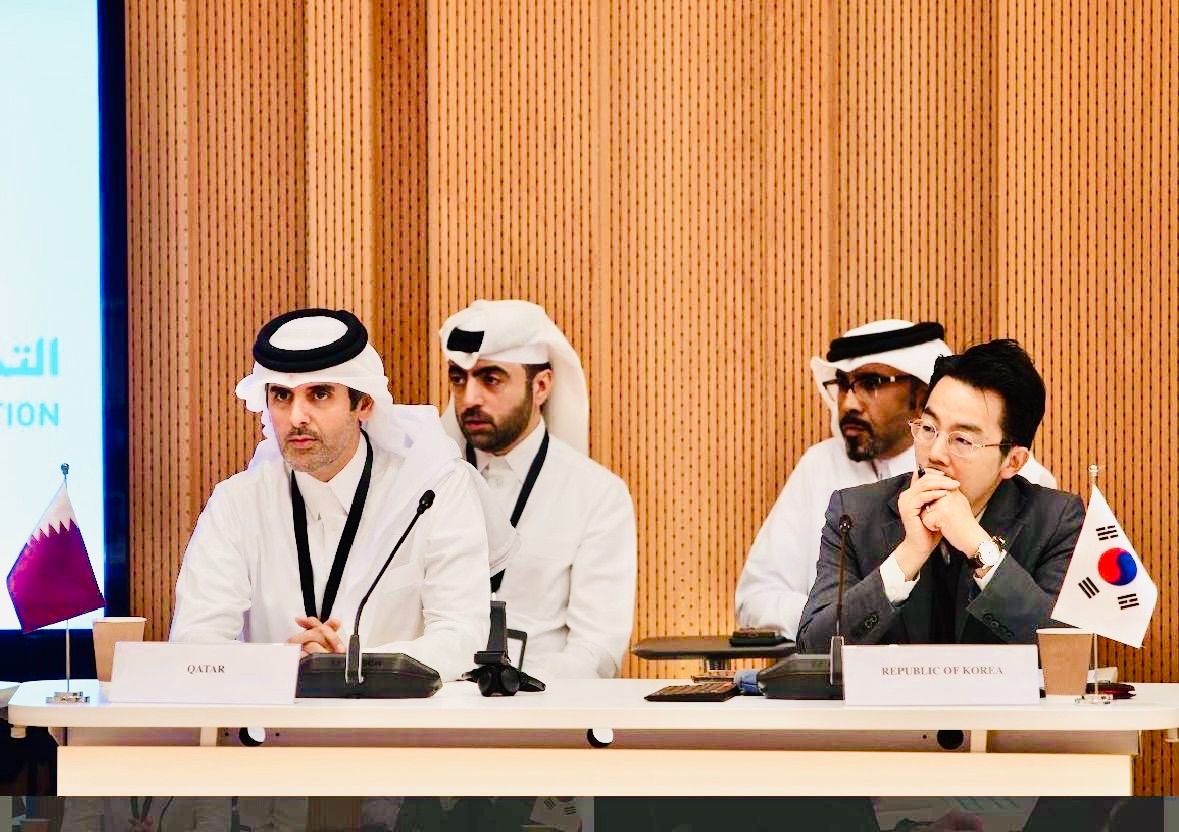

Abu Dhabi recently hosted a Core Focus Group meeting of the Global Coalition Against ISIS, with the State of Qatar participating alongside numerous international organizations dedicated to counter-terrorism efforts. The meeting, held in the United Arab Emirates capital, focused on strategies to prevent the resurgence of the terrorist group in Syria and Iraq. Qatar’s delegation reaffirmed its commitment to the coalition’s goals and pledged continued support for regional stability and the fight against ISIS.
Qatar was represented by the Special Envoy of the Minister of Foreign Affairs, Ambassador Faisal bin Abdullah Al Hanzab. The meeting took place this week, with specific dates not publicly disclosed, and involved discussions on bolstering civil society cooperation, supporting rehabilitation programs, and disrupting the financial networks and propaganda operations of the organization.
Qatar’s Role in the Global Coalition Against ISIS
Qatar has been a consistent member of the Global Coalition Against ISIS since its formation in 2014, contributing to both military and non-military efforts to degrade the terrorist group. The coalition, initially formed to address the rapid territorial gains made by ISIS in Iraq and Syria, has evolved to focus on long-term stabilization and preventing a revival of the organization. According to the U.S. State Department, the coalition currently includes over 80 members.
Ambassador Al Hanzab highlighted Qatar’s appreciation for the UAE’s efforts in organizing the meeting and reiterated Doha’s unwavering support for the Core Focus Group’s work. This support extends to strengthening initiatives aimed at countering violent extremism, with a particular emphasis on addressing the root causes that contribute to radicalization. He affirmed the country’s dedication to security and stability in Syria and Iraq.
Focus Areas for Future Collaboration
Discussions at the meeting centered on several key areas crucial for sustainable counter-terrorism efforts. These included improving coordination between international partners, enhancing border security measures, and supporting local communities affected by ISIS. Participants also explored ways to counter the group’s online presence and the spread of its extremist ideology.
A significant portion of the deliberations concerned the rehabilitation and reintegration of former ISIS fighters and their families, a complex challenge facing both Iraq and Syria. However, international consensus on this issue remains elusive, with differing approaches among coalition members. The need for transparent accountability mechanisms and adherence to international human rights standards were also emphasized during discussions about reintegration programs. This follows earlier reports outlining the complexities of handling returning foreign fighters.
Additionally, the meeting addressed the ongoing threat of ISIS financing, despite the loss of its territorial control. The group continues to generate revenue through illicit activities, including extortion, smuggling, and online fundraising, necessitating robust financial counter-terrorism measures globally. Experts suggest that cryptocurrency is playing an increasing role in these financial networks.
While ISIS no longer controls significant territory, the threat it poses remains substantial. The United Nations has warned of persistent ISIS activity in both Iraq and Syria, particularly in remote areas. The organization continues to launch attacks and maintain a network of cells capable of destabilizing the region. Capacity building for local security forces remains a key component of the coalition’s strategy. Efforts to counter terrorism continue as a critical international priority.
The State of Qatar’s participation underscores its commitment to regional and international security cooperation. Their financial contributions and diplomatic efforts have been recognized by coalition partners as valuable assets in the fight against extremist groups. Qatar is also involved in mediation efforts aimed at resolving conflicts in the region, addressing an underlying factor that can contribute to the rise of violent extremism.
Looking ahead, the Global Coalition Against ISIS is expected to continue holding Core Focus Group meetings on a regular basis to assess the evolving threat and coordinate ongoing efforts. The next major meeting of the full coalition is tentatively scheduled for later this year, though the specific date and location have not yet been announced. Monitoring the situation in Syria and Iraq, and the ability of the coalition to adapt to ISIS’s changing tactics, will be crucial in the coming months.
The effectiveness of rehabilitation programs and the impact of disrupted financial flows will also be key indicators of success in countering the long-term threat posed by radical groups.