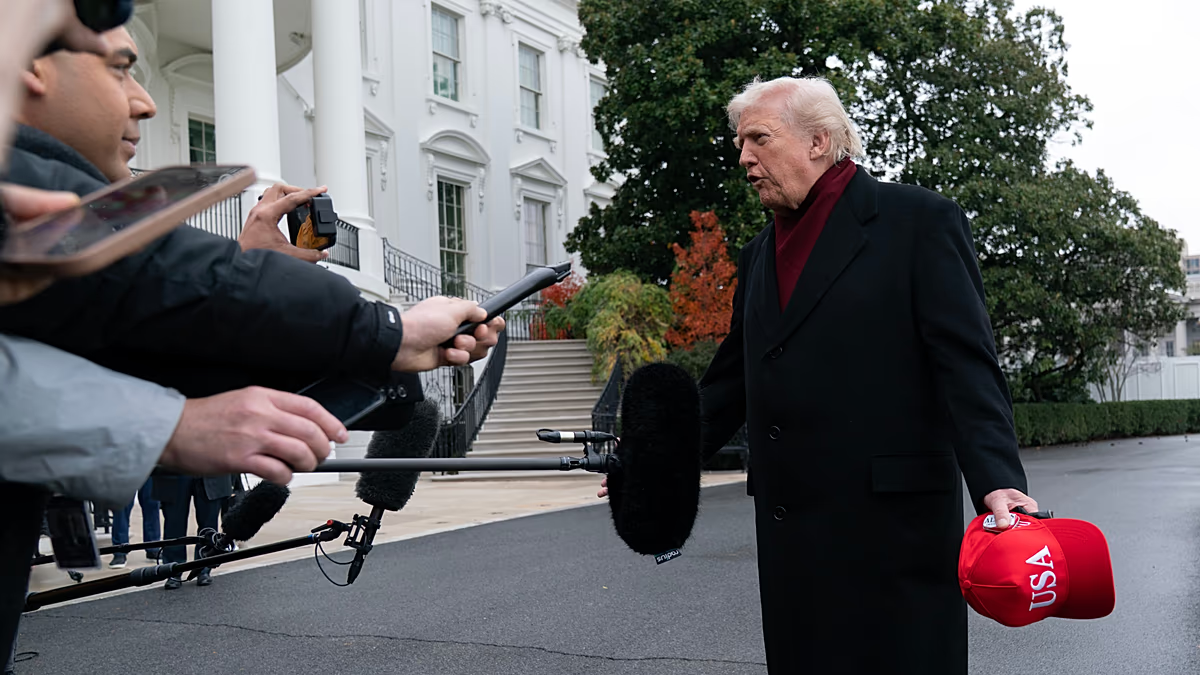

Former President Donald Trump indicated over the weekend that the United States has a proposal regarding Russia’s ongoing war in Ukraine, but characterized it as not yet definitive. Speaking to reporters at the White House on Saturday, Trump stated the plan was not his “final offer”, sparking renewed debate about potential pathways to ending the conflict. The development comes as the war approaches its second anniversary and amid concerns from NATO allies regarding the evolving situation. The focus on a US Ukraine peace plan highlights a potential shift in approach.
Trump’s comments followed reports of discussions with foreign leaders concerning a potential resolution, reportedly involving ceding territory to Russia. Allies have expressed reservations, and the lack of detail around the proposal continues to fuel speculation. According to sources, the motivation is to de-escalate the situation, even if it requires difficult concessions from Ukraine.
Understanding Trump’s Proposed Ukraine Peace Plan
The essence of the reported proposal, though described by Trump as preliminary, revolves around brokering a negotiated settlement between Russia and Ukraine. While specific details remain unclear, the former president has consistently advocated for a swift end to the war, contrasting his approach with the current administration’s strategy of sustained military aid to Ukraine. He added that the conflict “should never have happened.”
This focus on rapid de-escalation contrasts with the more deliberate approach favored by many European nations, which prioritize bolstering Ukraine’s defensive capabilities and ensuring Russia does not achieve its territorial objectives. However, war fatigue is growing in many Western countries, raising the question of long-term sustainability of the current aid levels. Additionally, domestic political considerations in the US play a role, with ongoing debates about the allocation of resources.
Allied Reactions and Concerns
Several Ukrainian allies have voiced concerns over the reported proposal, particularly regarding potential territorial concessions. Many fear that rewarding Russian aggression could set a dangerous precedent and embolden further expansionist tendencies. The Polish government, for example, has publicly stated its commitment to Ukraine’s territorial integrity and sovereignty.
The lack of transparency surrounding the plan has also drawn criticism. Without a clear understanding of the details, it’s difficult for allies to assess its feasibility or potential consequences. Some analysts suggest this ambiguity is intentional, allowing Trump to maintain flexibility and gauge reactions before solidifying his position. A primary concern remains the potential implications for European security.
The timing of Trump’s statements is significant, coinciding with increased scrutiny of the military aid packages to Ukraine in Congress. The debate over continued funding has become increasingly politicized, and a revised US approach to the conflict could influence the outcome of those discussions. Some speculate that the proposal is a bargaining chip aimed at pressuring Ukraine to negotiate on terms more favorable to Russia.
Previous attempts at mediation, led by countries like Turkey and China, have largely failed to produce substantial breakthroughs. These efforts highlight the deep-seated mistrust between the two sides and the complexities of finding a mutually acceptable solution. The current surge in diplomatic activity, prompted by Trump’s involvement, suggests a renewed sense of urgency to prevent further escalation and human costs.
Beyond the immediate geopolitical implications, the potential for a negotiated settlement has significant ramifications for the global economy. The war has disrupted supply chains, driven up energy prices, and contributed to inflationary pressures worldwide. A stable resolution would alleviate some of these issues and create a more predictable international environment. Supply chain resilience efforts are also being assessed in light of these developments.
Looking ahead, the key will be to observe how Trump refines his Ukraine negotiations strategy. Further clarity on the specifics of the US peace talks is crucial for assessing its viability and potential impact. The reaction of Ukrainian President Volodymyr Zelenskyy will also be pivotal, as any settlement ultimately requires his consent. Meanwhile, the US presidential election campaign will continue to shape the debate surrounding US foreign policy and the future of the war in Ukraine. It’s important to stay informed about ongoing international efforts aimed at achieving a lasting peace, and monitoring the changing dynamics of the Ukraine conflict.
Interested in learning more about the ongoing situation in Ukraine? Stay tuned to reputable news sources and follow developments from organizations like the United Nations and the International Crisis Group.