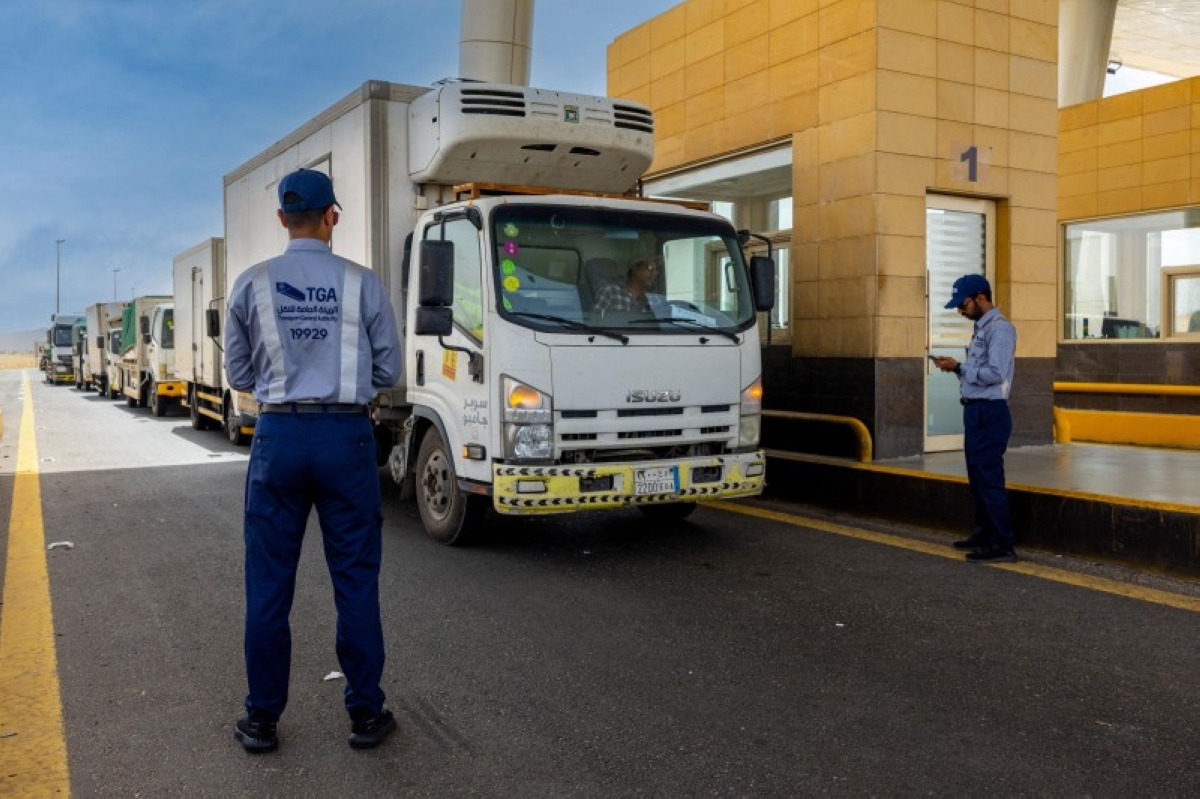

Riyadh, Saudi Arabia – The Transport General Authority (TGA) of Saudi Arabia reported the detention of 1,349 individuals during a week-long enforcement campaign between November 15 and 21 for violations related to passenger transport regulations. The crackdown focused on individuals operating unauthorized services, specifically those soliciting rides (“al-munadah”) and providing illegal transportation in private vehicles. These actions aim to improve safety and regulate the Kingdom’s growing transportation sector.
The majority of those detained, 723 individuals, were found engaging in “al-munadah,” the practice of actively seeking passengers. An additional 626 were caught providing direct, unlicensed transport services. The TGA emphasized that these activities undermine established transportation networks and pose potential risks to public safety. All individuals involved are facing penalties, including fines and vehicle impoundment.
Cracking Down on Illegal Passenger Transport
The TGA’s recent actions represent a significant escalation in efforts to regulate the passenger transport industry. Saudi Arabia has been investing heavily in public transportation infrastructure, including rail and bus networks, and is keen to ensure fair competition and adherence to safety standards. Unlicensed operators circumvent these regulations, potentially offering lower fares but lacking the necessary insurance and safety protocols.
The Issue of “Al-Munadah”
“Al-munadah,” or preparatory solicitation, is a particularly contentious issue. It involves individuals actively seeking passengers, often near transportation hubs, and arranging rides outside of official channels. According to the TGA, this practice disrupts the organized transport system and can lead to unregulated pricing and unsafe conditions. Repeated violations of “munadah” regulations can result in fines up to SR 11,000 (approximately $2,933 USD) and vehicle impoundment for up to 25 days.
Penalties for Unlicensed Transport Services
Operating unlicensed transport services carries even steeper penalties. The TGA stated that repeat offenders face fines of up to SR 20,000 (approximately $5,333 USD) and vehicle impoundment for up to 60 days. These measures are intended to deter individuals from operating illegally and to protect passengers from potentially unsafe or unreliable services. The authority also impounds vehicles used in these illegal operations.
However, the issue extends beyond financial penalties. Unlicensed vehicles often do not meet the same safety standards as licensed taxis or ride-hailing services. This includes regular vehicle maintenance checks, driver background checks, and appropriate insurance coverage. The TGA’s actions are therefore framed as a public safety initiative as much as a regulatory enforcement effort.
Additionally, the TGA’s campaign aligns with the Kingdom’s broader Vision 2030 plan, which aims to diversify the economy and improve the quality of life for residents. A modern and reliable transportation network is considered a crucial component of achieving these goals. The plan emphasizes the development of sustainable and efficient transport options.
Meanwhile, the TGA is actively encouraging the public to utilize authorized transportation services, such as licensed taxis, ride-hailing apps, and public buses. This promotes a more regulated and safer environment for passengers. The authority has also been working to streamline the licensing process for legitimate transport operators, making it easier for businesses to comply with regulations.
In contrast to the penalties imposed on individual operators, the TGA has also been focusing on raising awareness among the public about the risks associated with using unlicensed transport. This includes educational campaigns highlighting the importance of safety and the benefits of using regulated services. The authority believes that informed passengers are more likely to choose safe and reliable options.
The report indicates that the TGA’s inspection campaigns will continue throughout the Kingdom. The authority has not specified a definitive end date for these enforcement efforts, suggesting a long-term commitment to regulating the transportation sector. Future campaigns may focus on other areas of non-compliance, such as adherence to fare regulations and driver licensing requirements.
Looking ahead, the TGA is expected to announce further details regarding the long-term strategy for regulating passenger transport. The effectiveness of the current enforcement measures will likely be evaluated, and adjustments may be made based on the results. Observers will be watching to see if the TGA introduces new technologies or partnerships to enhance its monitoring and enforcement capabilities.