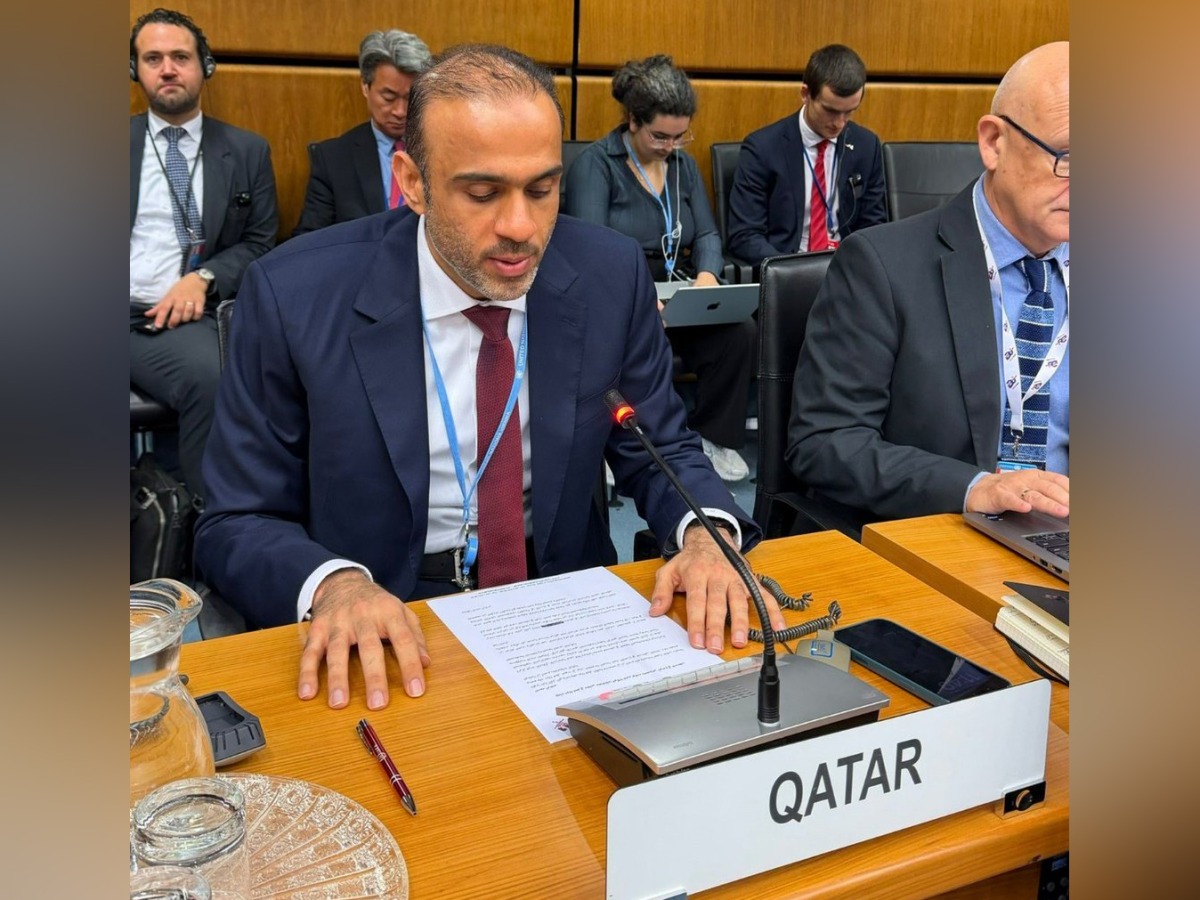

Vienna – Qatar has urgently called for the full and immediate implementation of United Nations Security Council Resolution 2803, passed on November 17, 2025, concerning the ongoing conflict in Gaza. The resolution demands a complete Israeli withdrawal from the Gaza Strip, the establishment of a Palestinian-led governing body, and the commencement of reconstruction efforts. This push comes amid escalating concerns over the humanitarian crisis and continued violence in the region, with Qatar emphasizing the need for accountability and lasting peace.
The call to action was delivered by Qatar’s Ambassador and Permanent Representative to the UN and International Organizations in Vienna, Jassim Yacoub Al Hammadi, during a session of the Board of Governors of the International Atomic Energy Agency (IAEA). Al Hammadi addressed the situation in Palestine, highlighting the deteriorating conditions and advocating for the internationally recognized right to self-determination for the Palestinian people.
Qatar Urges Implementation of Gaza Resolution
Resolution 2803 represents a significant, though preliminary, step toward addressing the complex issues surrounding the Israeli-Palestinian conflict. It aims to create conditions for a sustainable resolution by focusing on the immediate needs of the Gazan population and laying the groundwork for future governance. However, the resolution’s success hinges on the willingness of all parties to comply with its stipulations.
According to Al Hammadi’s statement, the situation in the occupied Palestinian territories remains dire. He condemned the ongoing killings and displacement of Palestinians in both the West Bank and Gaza, attributing these actions to Israeli occupation forces and violence perpetrated by settlers reportedly supported by the Israeli government. These accusations reflect a long-standing pattern of concern voiced by Qatar and other Arab nations regarding the treatment of Palestinians.
Humanitarian Crisis in Gaza
The humanitarian situation in Gaza has reached critical levels, with limited access to essential resources like food, water, and medical supplies. International organizations, including the United Nations Relief and Works Agency for Palestine Refugees in the Near East (UNRWA), are struggling to deliver aid effectively due to ongoing restrictions and security concerns. Qatar has consistently been a major donor to UNRWA and has called on other nations to increase their contributions.
Al Hammadi appealed to all countries and humanitarian organizations to expedite the delivery of aid to alleviate the suffering of the Palestinian people. The need for immediate assistance is particularly acute given the ongoing siege and occupation, which severely limit the ability of Gazans to rebuild their lives and communities. The resolution specifically calls for reconstruction, but funding and access remain significant obstacles.
Accountability for Alleged War Crimes
Qatar’s representative also stressed the importance of accountability for alleged violations of international law. He stated that war crimes, crimes against humanity, and potential acts of genocide committed against the Palestinian people should not be subject to statutes of limitations. This call for justice aligns with international legal principles and reflects Qatar’s commitment to upholding human rights.
The statement urged relevant international organizations to investigate these allegations and ensure that perpetrators are held responsible for their actions. The International Criminal Court (ICC) has been investigating the situation in Palestine for several years, but progress has been hampered by political and logistical challenges. The issue of international justice remains a central point of contention.
Qatar continues to advocate for a two-state solution, with an independent Palestinian state established with East Jerusalem as its capital. This position is consistent with long-held Arab aspirations and international consensus, though implementation has proven elusive. The current resolution is viewed as a potential stepping stone toward achieving this goal, but its success depends on a broader political framework.
Looking ahead, the international community will be closely monitoring Israel’s response to Resolution 2803 and its willingness to withdraw from Gaza. The establishment of a credible and representative Palestinian government will also be crucial. While the resolution provides a framework for action, significant diplomatic efforts will be required to overcome the numerous obstacles and ensure its effective implementation. The next few weeks will be critical in determining whether this resolution can genuinely improve the situation for Palestinians and contribute to a lasting peace, or if it will join the long list of unfulfilled promises in the region. The ongoing Middle East conflict requires sustained international attention.
The situation in the West Bank also remains a key concern, with continued settler violence and restrictions on Palestinian movement.