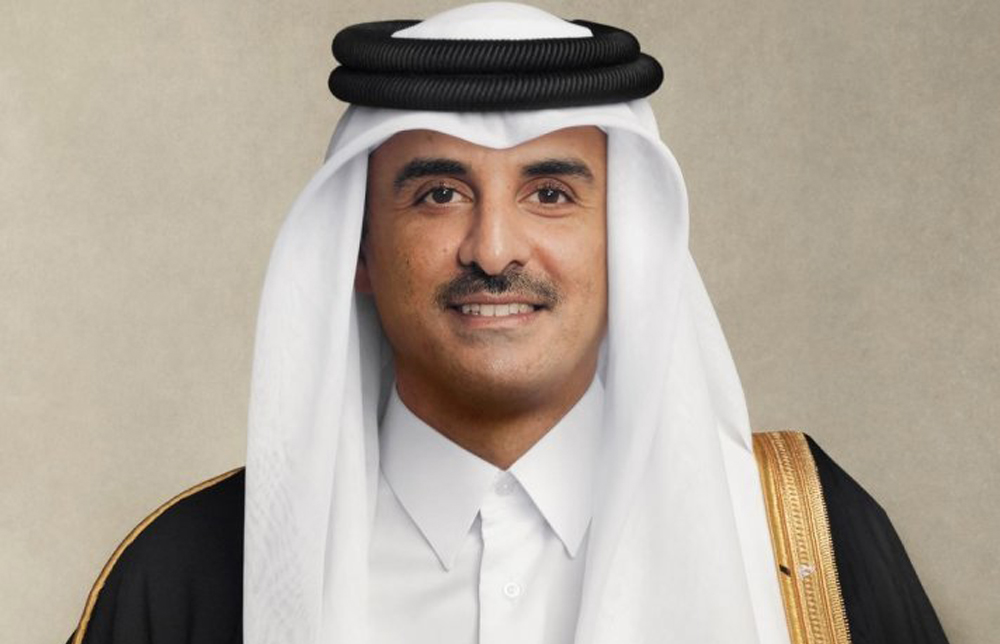

Qatar’s Amir, HH Sheikh Tamim bin Hamad Al-Thani, concluded his participation in the G20 Summit 2025 in Johannesburg, South Africa, today. The summit, focused on global cooperation and economic recovery, brought together leaders from the world’s 20 major economies, as well as representatives from key international organizations and guest nations like Qatar. His Highness departed with an official delegation following the conclusion of the meetings.
The 2025 G20 Summit in Johannesburg marked a significant moment for Qatar, as the nation continues to expand its international economic and political influence. While Qatar is not a member of the G20, it was invited to participate as a guest country, reflecting its growing importance on the global stage. The summit addressed pressing issues such as sustainable development, climate change, and global health security.
Qatar at the G20 Summit 2025: Key Focus Areas
Qatar’s presence at the G20 Summit 2025 allowed for direct engagement with key decision-makers on issues of mutual concern. According to statements released by the Amiri Diwan, discussions centered on Qatar’s economic diversification efforts, its role in energy markets, and its commitment to international stability. The country’s successful hosting of the FIFA World Cup 2022 was also highlighted as a demonstration of its capacity for large-scale international events.
Economic Diversification and Investment
Qatar has been actively pursuing economic diversification away from its reliance on hydrocarbons, as outlined in its National Vision 2030. Discussions at the summit likely involved exploring opportunities for increased foreign investment in Qatar’s non-energy sectors, such as tourism, technology, and finance. The country’s sovereign wealth fund, the Qatar Investment Authority, is a major global investor and played a role in these conversations.
Energy Security and Global Supply
As a leading exporter of liquefied natural gas (LNG), Qatar is a crucial player in global energy security. The summit provided a platform to discuss the current energy landscape, including the impact of geopolitical events on supply and demand. Qatar reiterated its commitment to reliable energy supplies to international markets, particularly in light of ongoing energy transitions and the need for stable energy sources.
However, the global energy situation remains complex, with fluctuating prices and evolving geopolitical dynamics. Qatar’s role in mitigating these challenges was a key topic of discussion. The country is also investing in renewable energy sources as part of its long-term sustainability goals.
Meanwhile, the summit addressed broader macroeconomic challenges facing the global economy, including inflation and supply chain disruptions. Qatar shared its experiences in managing these issues and contributing to regional economic stability. The country’s relatively strong economic performance has positioned it as a potential partner in addressing these global concerns.
In contrast to some nations facing economic headwinds, Qatar has maintained a positive economic outlook, fueled by its LNG exports and strategic investments. This stability was likely a point of interest for other G20 members seeking solutions to their own economic challenges. The discussions also touched upon the importance of international cooperation in addressing debt vulnerabilities in developing countries.
The G20 Summit also provided an opportunity for bilateral meetings between Amir Sheikh Tamim and other world leaders. These meetings likely covered a range of issues, including trade, security, and regional cooperation. Details of these individual discussions have not been fully disclosed, but they are expected to contribute to strengthening Qatar’s relationships with key partners. Further information on the G20 can be found on the official website.
Looking ahead, the outcomes of the G20 Summit 2025 will be formalized in a communique outlining the commitments made by member nations. The implementation of these commitments will be closely monitored by international organizations and observers. The next steps involve detailed follow-up discussions among G20 working groups and the preparation for future meetings. Recent G20 events indicate a continuing focus on global challenges like climate finance.
The long-term impact of the summit on Qatar’s economic and political standing remains to be seen, but its participation signals a continued commitment to international collaboration and a proactive role in shaping the global agenda. The success of the summit will ultimately be judged by the tangible progress made on the issues discussed, and the extent to which the G20 can effectively address the challenges facing the world economy. South Africa’s government website provides details on their hosting of the event.