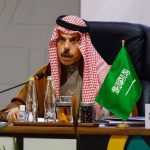





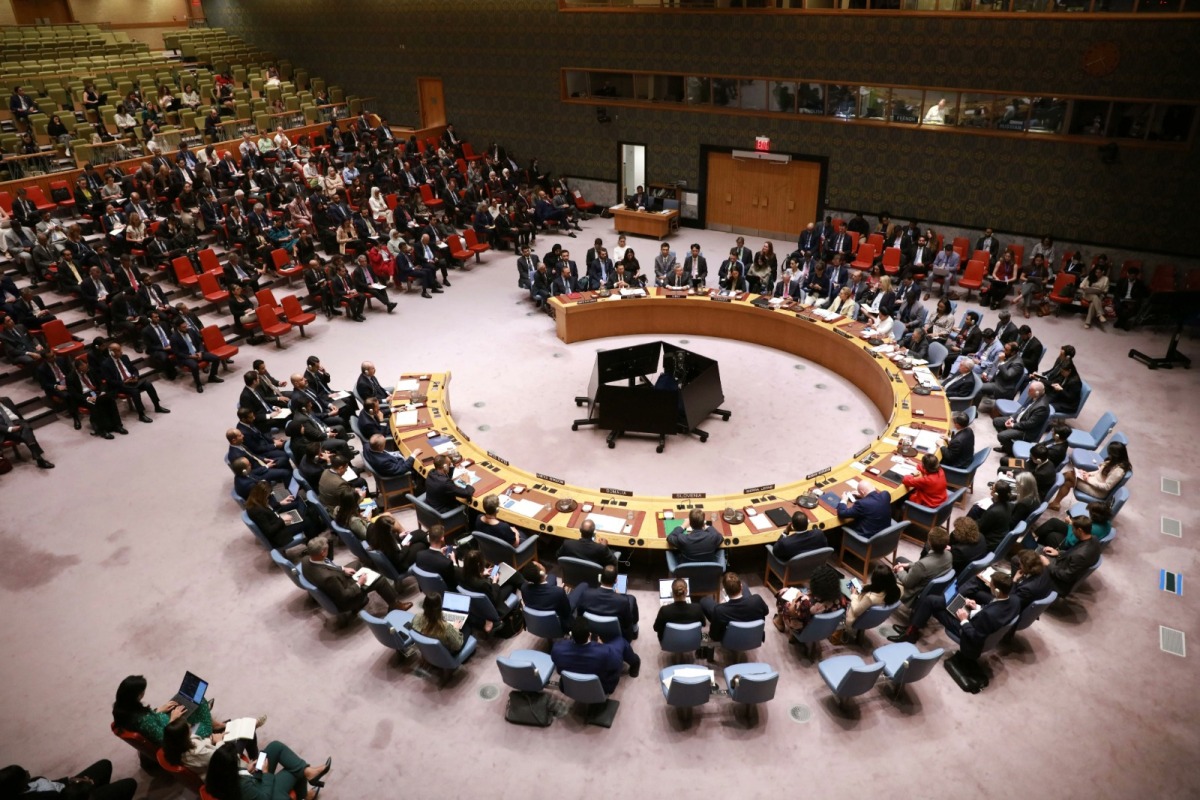

The United Nations Security Council (UNSC) has issued a statement of support for the recently signed Doha Framework for Peace between the Democratic Republic of the Congo (DRC) government and the M23 Movement. The agreement, signed on November 15th in Doha, Qatar, aims to de-escalate ongoing conflict in eastern DRC and establish a path toward lasting peace. This DRC peace deal is seen as a crucial step in addressing a complex regional crisis that has caused significant humanitarian concerns.
The UNSC statement specifically commended the mediation efforts of Qatar, as well as the contributions of the United States, the African Union, and the Republic of Togo. The signing ceremony followed months of negotiations facilitated by these international actors, seeking to resolve the conflict that has destabilized the eastern provinces of the DRC for years.
Significance of the DRC Peace Deal
The Doha Framework for Peace represents a potential turning point in the volatile situation in eastern DRC. The region has long suffered from the presence of numerous armed groups, competing for control of resources and territory. This latest agreement focuses specifically on the M23, a rebel group primarily composed of Congolese Tutsi fighters, and its integration into the DRC’s security framework.
According to the UN, the framework addresses key issues including a permanent ceasefire, the dismantling of parallel administrations established by M23, and the restoration of state authority throughout the affected areas. It also emphasizes the importance of addressing the root causes of the conflict, which include ethnic tensions, economic grievances, and political marginalization.
Implementation Challenges
While the signing of the framework is a positive development, significant challenges remain in its implementation. The UNSC urged both signatories to demonstrate a commitment to a “permanent, effective, and verifiable ceasefire,” a task complicated by past violations and distrust between the parties.
Additionally, finalizing the remaining protocols, annexes, and technical arrangements is critical to ensuring the deal’s success. These details will outline the specific steps for disarmament, demobilization, and reintegration of M23 fighters, as well as the mechanisms for monitoring and verification. The agreement aligns with UN Security Council resolution 2773 (2025), which previously called for de-escalation and a political solution.
The UN Organization Stabilization Mission in the Democratic Republic of the Congo (MONUSCO) is expected to play a key role in supporting the implementation of the ceasefire. However, MONUSCO’s mandate has been subject to debate, and its effectiveness is often hampered by logistical constraints and security concerns. The UNSC reiterated its demand for full cooperation with MONUSCO to facilitate its work.
Humanitarian Crisis and Regional Stability
The conflict in eastern DRC has triggered a severe humanitarian crisis, with millions of people displaced and facing food insecurity. The UNSC expressed concern about this situation and stressed the need to improve humanitarian access, particularly for air deliveries, to reach those in need. The recent Paris Conference for Peace and Prosperity in the Great Lakes Region saw pledges of support for the DRC, and the Council called for these commitments to be fulfilled.
The instability in eastern DRC also has broader regional implications, impacting neighboring countries. The presence of armed groups and the flow of refugees have strained relations and contributed to insecurity across the Great Lakes region. The conflict resolution efforts are therefore seen as vital for promoting stability beyond the DRC’s borders.
The UNSC statement also underscored the importance of accountability for violations of international humanitarian law and human rights abuses. Ensuring justice for past crimes is considered essential for fostering reconciliation and preventing future violence. The ongoing regional security situation requires a comprehensive approach that addresses both the immediate needs of the affected population and the underlying causes of the conflict.
Looking ahead, the focus will be on the full and timely implementation of the Doha Framework for Peace. Key milestones include the completion of all outstanding protocols and the commencement of the disarmament process. The UNSC is expected to continue monitoring the situation closely and providing support to the parties as needed. However, the success of the agreement ultimately depends on the genuine commitment of both the DRC government and the M23 Movement to building a lasting peace.
The next few months will be critical in determining whether the Doha Framework can translate into tangible improvements on the ground. Observers will be watching for signs of a sustained ceasefire, progress in addressing the root causes of the conflict, and a reduction in the humanitarian suffering of the Congolese people.