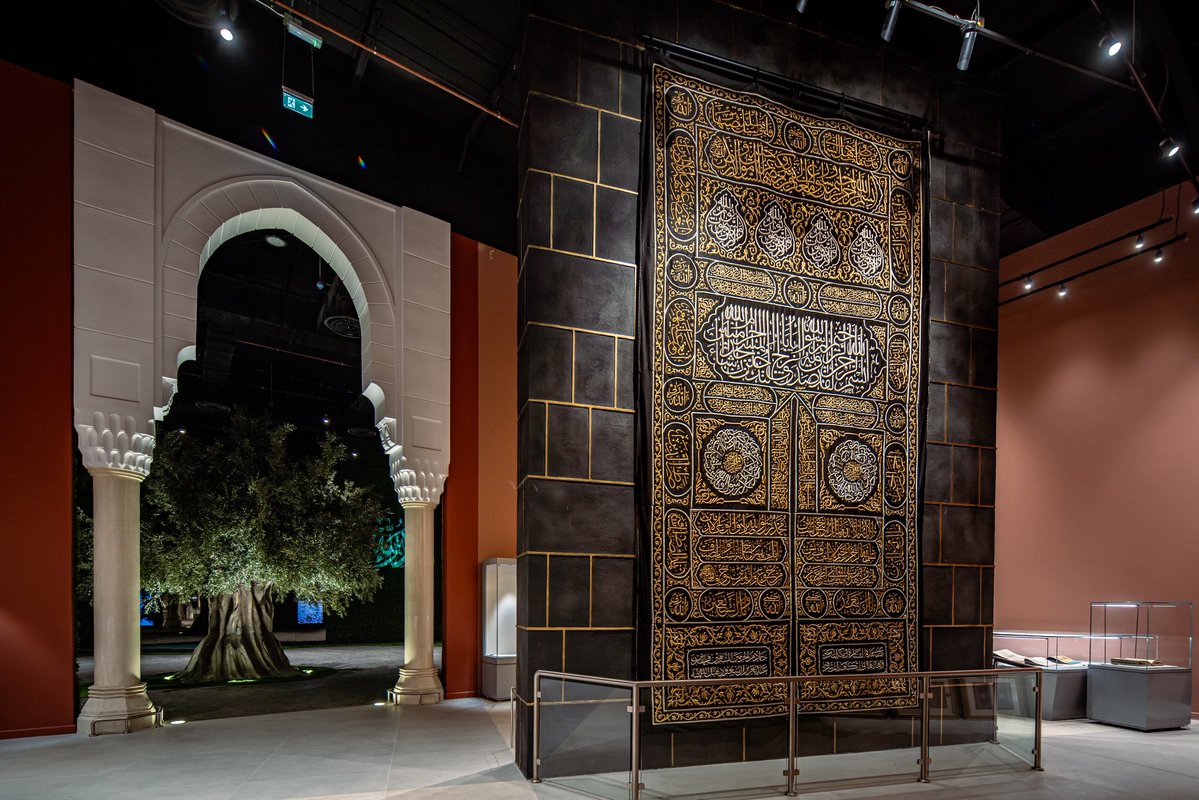

Mecca, Saudi Arabia – The recently opened Quran Museum in the Hira Cultural District is quickly becoming a central destination for pilgrims and scholars alike. Inaugurated in March 2024, the museum showcases the history and artistry of the Holy Book, featuring rare manuscripts, historical copies, and interactive exhibits. The facility aims to preserve and celebrate Islamic heritage for a global audience.
Located at the foot of Mount Hira, the site holds immense spiritual significance as the location where the first verses of the Quran were revealed to the Prophet Muhammad (peace be upon him). The museum, developed as part of Saudi Arabia’s Vision 2030 plan to enhance cultural and religious tourism, offers a unique blend of historical artifacts and modern technology.
A Deep Dive into the Quran Museum’s Collection
The museum’s collection spans centuries of Islamic history, demonstrating the meticulous care with which the Quran has been preserved. Among the highlights is reportedly the world’s largest Quran, drawing significant attention from visitors. Additionally, a stunning mosaic panel illustrates the artistic devotion Muslims have shown to the Holy Book throughout the ages.
Rare Manuscripts and Historical Copies
The museum houses a diverse range of ancient Quran manuscripts, representing various styles of Arabic calligraphy and illumination. These manuscripts offer valuable insights into the evolution of the Quranic text and its artistic representation. According to the Saudi Ministry of Tourism, the collection includes examples from different regions of the Islamic world, showcasing the universality of the faith.
Interactive Exhibits and Modern Technology
Beyond the physical artifacts, the museum incorporates interactive technologies to enhance the visitor experience. These exhibits aim to provide a deeper understanding of the Quran’s context, meaning, and impact. The integration of modern museology techniques allows for a more engaging and accessible presentation of Islamic history and culture.
The location itself is strategically important. Pilgrims performing Hajj or Umrah can easily incorporate a visit to the museum into their spiritual journey. The proximity to Mount Hira amplifies the sense of reverence and connection to the origins of the Islamic faith. This accessibility is expected to contribute to increased tourism in the region.
The development of the Hira Cultural District, and the Quran Museum within it, reflects Saudi Arabia’s broader efforts to diversify its economy and promote its rich cultural heritage. The country has been investing heavily in cultural projects, aiming to attract a wider range of tourists and position itself as a global hub for Islamic culture. This initiative aligns with the Kingdom’s Vision 2030 goals.
However, the long-term impact of the museum on tourism numbers remains to be seen. While initial visitor numbers have been promising, sustained interest will depend on ongoing exhibitions and educational programs. The museum’s success will also be linked to the overall growth of the Hira Cultural District and its ability to attract a diverse range of visitors interested in Islamic art and history.
Meanwhile, the museum is actively working to digitize its collection, making it accessible to a global audience online. This initiative will further enhance the museum’s reach and contribute to the preservation of the Quranic heritage for future generations. The digitization project is expected to be completed by the end of 2025, according to museum officials.
Looking ahead, the museum plans to host a series of lectures and workshops on Quranic studies and Arabic calligraphy. These events are intended to foster a deeper understanding of the Holy Book and its cultural significance. The schedule for these events is currently under development and will be announced in the coming months. Further expansion of the Hira Cultural District is also under consideration, pending government approval and funding.