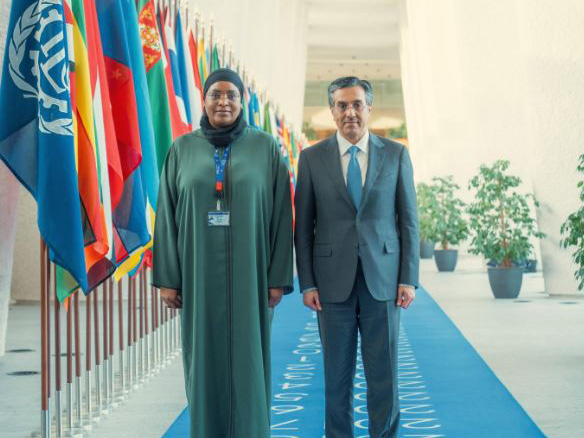

Doha, Qatar – Discussions surrounding labor cooperation between Qatar and Niger took place on the sidelines of the International Labour Organization (ILO) Governing Body meeting in Geneva this week. Qatar’s Minister of Labour, HE Dr. Ali bin Smaikh Al Marri, met with Niger’s Minister of Public Service, Labour and Employment, HE Aissatou Abdoulaye Tondi, to explore areas of mutual interest in workforce development and worker protections. The meeting signals a continued effort by Qatar to strengthen international partnerships in the realm of labor standards.
The meeting, held on November 22, 2023, focused on potential collaborations related to employment policies and the welfare of migrant workers. Both ministers reportedly emphasized the importance of upholding international labor rights and addressing challenges faced by workers in both nations. The discussions occurred during the ILO’s ongoing Governing Body meeting, which addresses issues impacting the global workforce.
Strengthening Qatar’s Labor Diplomacy
Qatar has been actively engaged in diplomatic efforts to showcase its labor reforms and foster collaborative relationships with other countries, particularly those that are sources of migrant labor. This meeting with Niger’s minister is part of that broader strategy. According to the Ministry of Labour, Qatar aims to share its experiences in implementing labor reforms and learn from the practices of other nations.
Focus Areas of Discussion
While specific details of the discussions were not publicly released, several key areas likely formed the basis of the conversation. These included:
Migrant Worker Welfare: Both Qatar and Niger rely on migrant workers to support key sectors of their economies. Discussions likely centered on best practices for recruitment, employment conditions, and protection against exploitation.
Skills Development: Enhancing the skills of the workforce is a priority for both countries. The ministers may have explored opportunities for joint training programs or knowledge sharing in vocational education.
Labor Law Enforcement: Effective enforcement of labor laws is crucial for ensuring worker rights. The meeting could have addressed strategies for strengthening inspection mechanisms and addressing labor disputes.
However, it’s important to note that Niger is currently facing political instability following a military coup in July 2023. This situation introduces complexities to any potential agreements or collaborations. The international community, including the ILO, is monitoring the situation closely, and the future of labor relations within Niger remains uncertain.
Meanwhile, Qatar has made significant strides in reforming its own labor system in recent years, particularly in preparation for hosting the FIFA World Cup 2022. These reforms included abolishing the *kafala* system, introducing a minimum wage, and enhancing worker safety regulations. The Ministry of Labour has consistently stated its commitment to continuing these reforms and ensuring a fair and safe working environment for all.
In contrast to previous criticisms, Qatar has received increasing recognition for its labor improvements. The ILO has acknowledged the progress made, although it continues to call for further enhancements. The ongoing dialogue with countries like Niger demonstrates Qatar’s willingness to engage in constructive discussions and share its experiences.
Additionally, the meeting took place against the backdrop of broader global concerns about the impact of climate change on labor markets. The ILO is increasingly focusing on the need for a just transition to a green economy, ensuring that workers are protected and have access to new skills and opportunities. This theme may have been touched upon during the discussions between the Qatari and Nigerien ministers.
The next steps following this meeting are unclear. The Ministry of Labour has not announced any specific timelines for potential agreements or collaborations. However, observers will be watching to see whether this initial dialogue leads to concrete initiatives aimed at strengthening labor cooperation between Qatar and Niger, particularly as the political situation in Niger evolves. Any future developments will likely be contingent on the stability of the Nigerien government and its commitment to upholding international labor standards.
It remains to be seen how the ongoing political situation in Niger will affect any potential future collaborations.
The International Labour Organization continues to play a key role in facilitating these discussions.