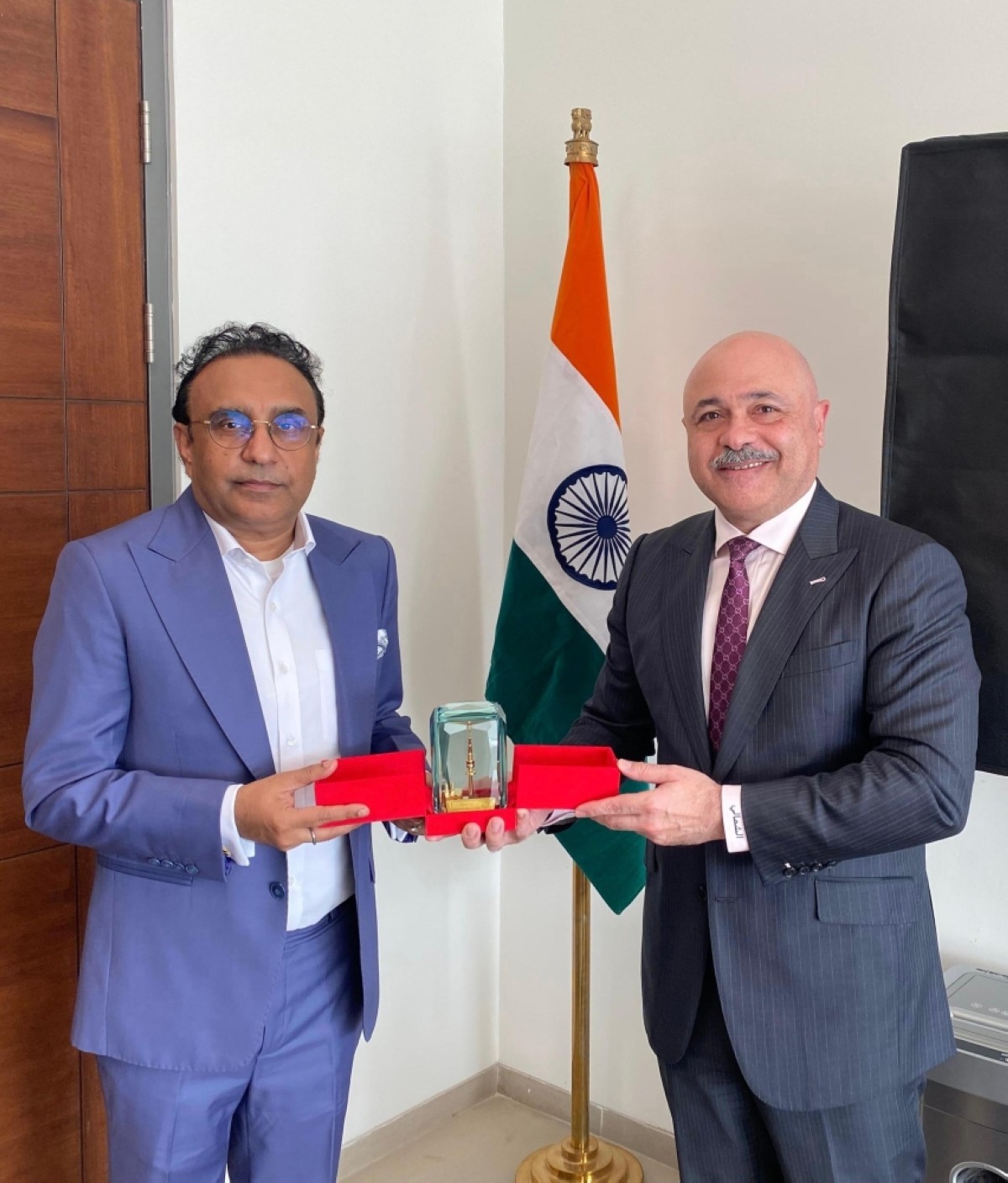

Kuwait and India are bolstering their collaborative efforts to combat financial crime, a crucial undertaking in today’s interconnected global landscape. This commitment was reaffirmed during a recent meeting in New Delhi between Kuwaiti Ambassador Meshal Al-Shamali and Diwakar Nath Mishra, Chief of the Indian Financial Action Task Force (FATF) working group. The discussions centered on strengthening anti-money laundering (AML) and counter-terrorism financing (CTF) cooperation between the two nations, highlighting Kuwait’s proactive steps towards international financial security.
Kuwait Reinforces Commitment to Global Financial Security
Kuwait has demonstrated a firm dedication to addressing the challenges of money laundering and terrorism financing, recognizing the detrimental impact these activities have on both national and international financial systems. Ambassador Al-Shamali, in a statement released by the Kuwaiti Embassy, detailed the significant corrective measures Kuwait has implemented. These include substantial reforms to both its legal frameworks and internal institutional regulations to ensure alignment with globally recognized standards.
This proactive approach comes as international pressure increases on nations to effectively combat illicit financial flows. Kuwait understands it’s not simply a matter of national security, but also a responsibility tied to maintaining a stable global economy. This is particularly relevant given the evolving nature of financial crime and the increasing sophistication of those involved.
Recent Legislative and Institutional Changes
The specific nature of the reforms wasn’t detailed in the initial statement, but such changes generally involve stricter regulations surrounding financial transactions, enhanced due diligence requirements for financial institutions, and greater transparency in beneficial ownership. Strengthening the institutional framework likely means increased staffing, training, and technological upgrades for Kuwait’s Financial Intelligence Unit (FIU).
The Kuwaiti FIU plays a pivotal role in identifying and reporting suspicious transactions, both domestically and internationally. Its commitment, as re-emphasized by Ambassador Al-Shamali, is to actively support all international initiatives designed to counter these global threats. This dedication extends beyond mere compliance; it signifies a willingness to actively contribute to financial intelligence sharing and collaborative investigations.
Bilateral Cooperation Enhanced Through MOU
The strengthening of ties isn’t just aspirational. Concrete steps have already been taken to formalize and improve collaboration. In July, Kuwait and India signed a landmark Memorandum of Understanding (MOU) with the Indian Financial Intelligence Unit. This MOU facilitates a more streamlined and secure exchange of financial information, supporting investigations into potential money laundering and terrorist financing activities.
The agreement is built upon established international financial system frameworks, ensuring that information sharing adheres to legal protocols and respects privacy concerns while maximizing the effectiveness of cooperative efforts. It provides a crucial platform for both countries to request and receive assistance in tracing illicit funds and identifying individuals and entities involved in financial crime. This kind of international cooperation is vital in dismantling complex transnational criminal networks.
India Appreciates Kuwait’s Progress on AML and CTF
Diwakar Nath Mishra, also serving as Additional Secretary in the Indian Ministry of Finance, conveyed India’s appreciation for Kuwait’s consistent efforts. He specifically lauded the country’s ongoing national programs aimed at combating financial crime, noting the positive progress made in recent years.
Mishra’s comments recognize Kuwait’s dedication to upholding rigorous standards. He further commended Kuwait’s commitment to adhering to the requirements set forth by the Financial Action Task Force (FATF), the global standard-setting body for countering money laundering and terrorist financing. This acknowledgement signals a strong level of trust and mutual respect between the two nations’ financial regulatory bodies.
Furthermore, the discussions likely involved exploring ways to enhance the effectiveness of existing regulations and identify emerging vulnerabilities within both financial systems. The sharing of best practices and intelligence is crucial in staying ahead of increasingly sophisticated criminal schemes.
The Importance of FATF Compliance
The reference to FATF standards is extremely important. FATF evaluations assess countries’ AML and CTF regimes, and non-compliance can lead to significant economic repercussions, including increased scrutiny from international financial institutions and potential blacklisting. By actively aligning with FATF recommendations, Kuwait demonstrates its commitment to being a responsible member of the global financial community. This fosters confidence in its financial system and encourages foreign investment.
This meeting between the Kuwaiti Ambassador and the Indian FATF Chief underscores a growing global trend towards increased international cooperation in the fight against financial crime. As criminals exploit jurisdictional loopholes and leverage increasingly sophisticated technologies, collaborative efforts like this are more vital than ever. The relationship between Kuwait and India serves as a positive example of how nations can work together to protect their financial systems and contribute to a more secure global economy.
In conclusion, the meeting in New Delhi signifies a powerful commitment from both Kuwait and India to strengthen their bilateral relationship in the critical area of anti-money laundering and countering the financing of terrorism. Kuwait’s proactive reforms, coupled with the operationalized MOU for information exchange and India’s recognition of these advancements, point towards a more robust and collaborative approach to safeguarding global financial stability. Further developments in this partnership should be monitored as they represent a vital element in the ongoing fight against transnational financial crime. Interested in learning more about FATF and its guidelines? Visit the official FATF website https://www.fatf-gafi.org/ to access comprehensive information and reports.