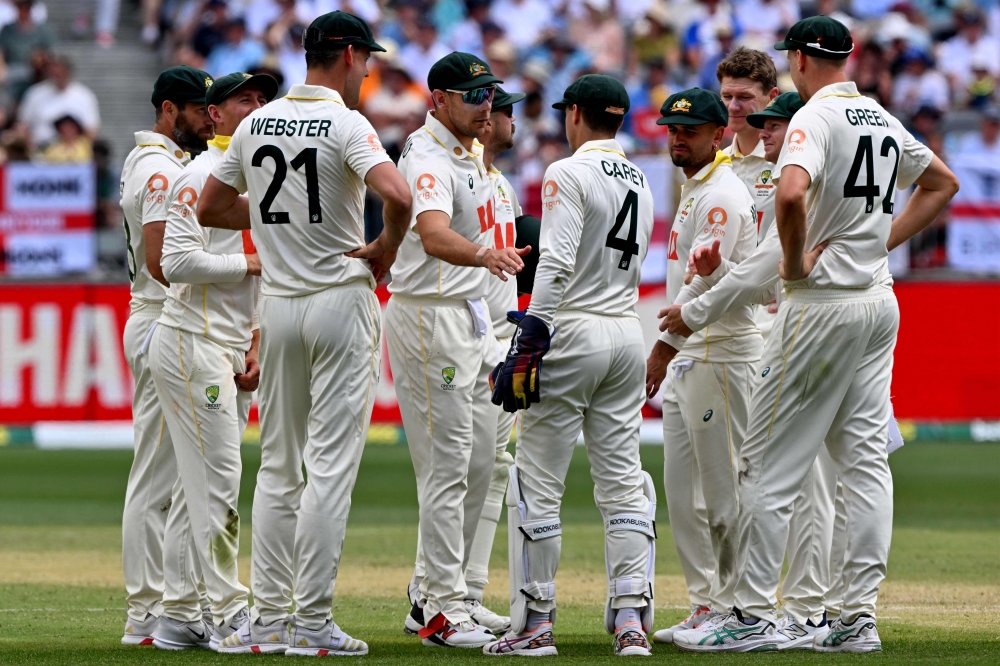

Australian captain Pat Cummins is cautiously optimistic about his return to the Ashes series, rating his chances of playing in the second Test against England in Brisbane as “half a chance.” The 32-year-old pace bowler has been sidelined with a lower back injury since facing the West Indies in August, but has begun bowling sessions and joined the team in Perth during the ongoing first Test. His potential return would be a significant boost for Australia as they aim to retain the coveted urn.
Cummins’ injury occurred four months ago, prompting concerns about his availability for the entirety of the Ashes. He has been undergoing rehabilitation and carefully monitored his progress. The second Test, a day-night match scheduled to begin December 4th at the Gabba in Brisbane, represents a key opportunity for Cummins to rejoin the squad.
Pat Cummins’ Recovery and Potential Impact on the Ashes
The Australian team has been managing Cummins’ workload carefully, with reports indicating he has been participating in controlled bowling sessions. According to Cummins’ commentary on Fox Sports, he recently completed a session involving approximately 10 overs, followed by recovery days, and is continuing to build his strength and endurance. This measured approach suggests a desire to avoid re-injury and ensure he returns to peak form.
Injury Concerns for Other Australian Bowlers
Cummins’ potential return is further amplified by injury concerns surrounding other Australian fast bowlers. Josh Hazlewood is reportedly unlikely to be fit for the Brisbane Test, increasing the need for Cummins’ experience and leadership in the bowling attack. Additionally, the emergence of debutant Brendan Doggett in Perth suggests the team is exploring options to fill the void left by injured players.
However, the team will need to assess Cummins’ fitness thoroughly before making a final decision. A full workload in a Test match requires significant physical exertion, and any lingering discomfort could jeopardize his long-term availability for the remainder of the series. The coaching staff will likely prioritize a cautious approach, balancing the immediate need for his skills with the importance of his sustained participation.
The absence of Cummins during the first Test has placed increased responsibility on Steve Smith, who is captaining the side in his stead. Smith has a proven track record as a leader, but Cummins’ presence is widely regarded as crucial to the team’s overall performance, particularly in setting the tone and controlling the pace of the game. The team’s strategy and bowling combinations will likely be adjusted based on Cummins’ availability.
The Australian selectors face a difficult decision if Cummins is declared fit. Doggett, who made his debut in Perth, may be the most likely to make way, given Cummins’ established position as a key member of the attack. The decision will also consider the conditions at the Gabba, which traditionally favors pace and bounce, potentially influencing the selection of a four-pronged pace attack.
The England team, currently competing in the first Test, will undoubtedly be monitoring Cummins’ recovery closely. His return would significantly strengthen the Australian bowling lineup, posing a greater challenge to their batsmen. England will need to adapt their strategies accordingly, focusing on building partnerships and weathering potential early storms.
Looking ahead, the next week will be critical in determining Cummins’ participation in the Brisbane Test. He will continue to undergo rigorous assessment and training, with the coaching staff closely monitoring his progress. A final decision is expected closer to the start of the match on December 4th, and will depend on his ability to bowl comfortably and consistently without experiencing pain. The team will also assess the overall condition of the squad and consider the potential impact of any further injuries.