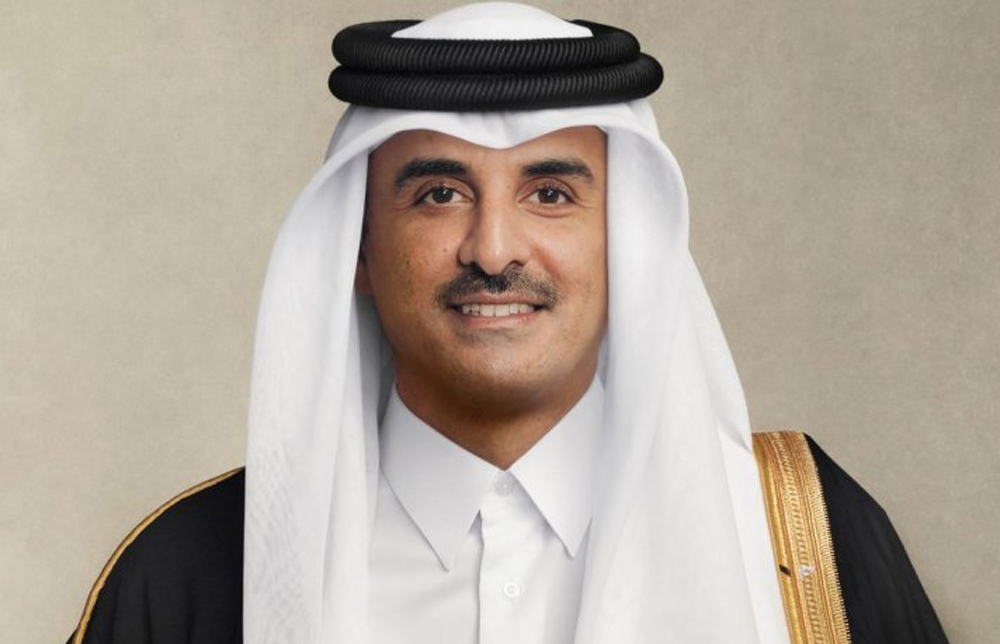

Qatar and Lebanon maintain strong diplomatic ties, a relationship recently reaffirmed as the Amir HH Sheikh Tamim bin Hamad Al-Thani extended a message of congratulations to Lebanese President Michel Aoun on Lebanon’s Independence Day. The cable, sent today, acknowledges the significance of this national occasion for the Lebanese people. This gesture underscores Qatar’s ongoing support for Lebanon amid a period of significant political and economic challenges, and highlights the importance of regional stability.
Lebanon officially celebrates its independence on November 22nd, commemorating its liberation from the French Mandate in 1943. The situation in Lebanon remains complex with ongoing governmental formation efforts and economic hardship. Qatar has consistently voiced its commitment to a stable and prosperous Lebanon, offering both diplomatic and economic assistance.
Qatar’s Recognition of Lebanon’s Independence Day
The Amiri cable forms part of a tradition of international recognition of Lebanon’s sovereignty. Many world leaders routinely send messages of support on this annual occasion. This year’s message is particularly noteworthy given the protracted difficulties Lebanon faces in establishing a fully functioning government and addressing deep-seated socio-economic issues.
According to the Lebanese constitution, power is divided among the nation’s Christian, Muslim Sunni, and Muslim Shia communities. However, this power-sharing arrangement has often led to political deadlock and hampered effective governance. The current political environment is riddled with divisions, impacting Lebanon’s ability to implement much-needed reforms.
Recent Assistance From Qatar
Beyond symbolic gestures, Qatar has provided substantial aid to Lebanon over recent years. In late 2021, Qatar announced a $60 million aid package to help alleviate the humanitarian crisis. This assistance focused on critical sectors such as food security, healthcare, and education.
Additionally, Qatar has played a role in mediating political disputes within Lebanon. Efforts have concentrated on fostering dialogue between various political factions to facilitate a consensus on key governmental appointments. These mediations reflect Qatar’s commitment to playing a constructive role in regional diplomacy.
The Lebanese economy has been in freefall for several years, exacerbated by the devastating 2020 Beirut port explosion. The blast caused widespread damage and displacement, further compounding the country’s economic woes, including significant economic instability. Qatar’s aid aims to mitigate the worst effects of the crisis and help rebuild essential infrastructure.
Meanwhile, Qatar Airways continues to operate flights to Beirut, providing a vital link for Lebanon’s citizens and diaspora. This continued air connectivity is of significance given difficulties faced by other international airlines operating to the country. The airline’s presence supports both tourism and the remittance of funds from Lebanese expatriates.
In contrast to some regional actors, Qatar adopting a policy of non-interference in Lebanon’s internal affairs, emphasizing support for a sovereign and independent nation. This approach, according to statements from the Qatari Ministry of Foreign Affairs, is based on respect for Lebanon’s political system and the Lebanese people’s right to self-determination.
The ongoing Lebanese political crisis creates significant challenges to the country’s economic recovery. Forming a new government capable of enacting reforms is paramount, but continues to be blocked by disputes over ministerial portfolios. Furthermore, the country’s financial sector requires substantial restructuring and recapitalization.
Looking ahead, the focus will be on observing whether the Lebanese political leaders can overcome their current disagreements and establish a functioning government in the coming weeks. The implementation of necessary economic reforms is crucial for securing financial stability and international support. The international community, including Qatar, will be closely watching the developments and assessing the need for continued humanitarian assistance and diplomatic engagement.
The situation remains fluid, and the path towards a stable and prosperous Lebanon is likely to be protracted. Any progress on governmental formation will likely be followed by international discussions regarding potential financial aid packages.