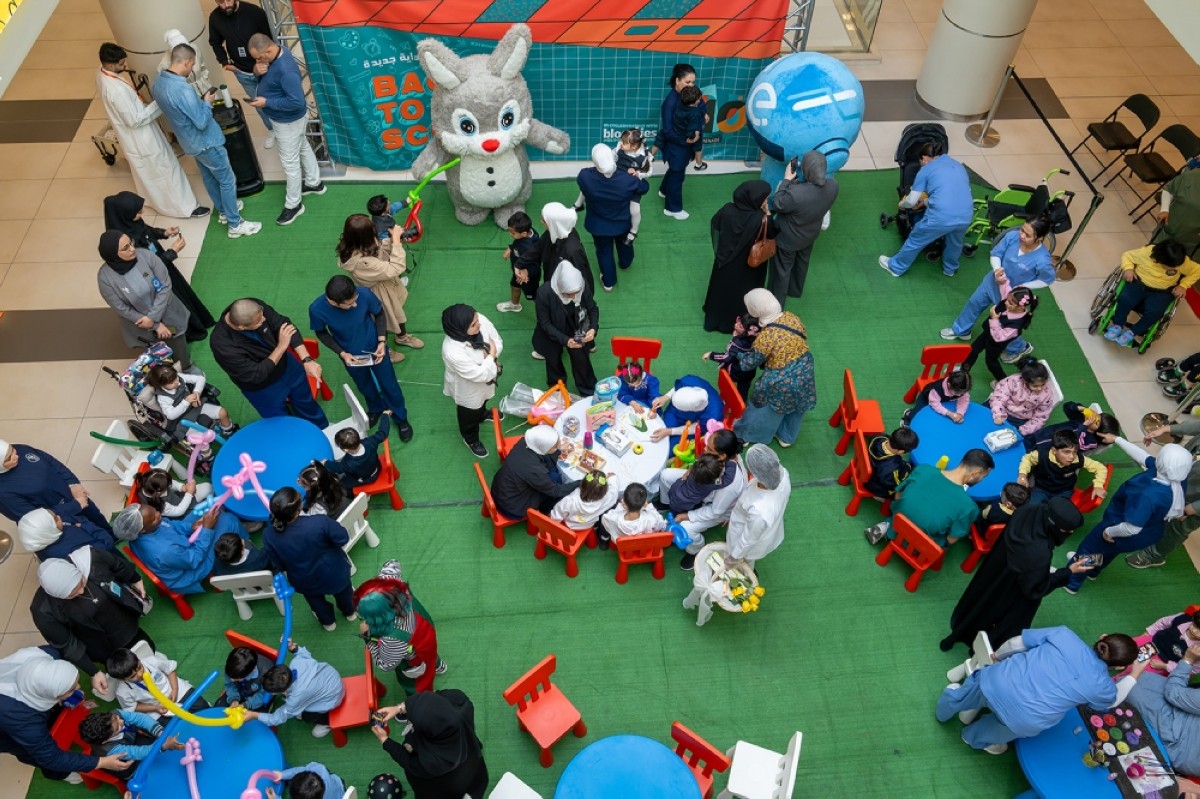

Kuwait reaffirmed its dedication to safeguarding child rights and fostering the well-being of its younger generation this week, coinciding with the global observance of World Children’s Day. This commitment, deeply rooted in the nation’s constitution, national laws, and international agreements like the UN Convention on the Rights of the Child (ratified in 1991), underscores Kuwait’s long-standing position as a supporter of children’s welfare both domestically and abroad. The announcements from the Ministry of Foreign Affairs and key officials highlight ongoing efforts and future goals in this critical area.
Kuwait’s Enduring Commitment to Child Rights
Kuwait’s consistent advocacy for child rights isn’t merely a matter of policy; it’s viewed as a fundamental societal responsibility. Dr. Amthal Al-Huwailah, Minister of Social Affairs, Family Affairs and Childhood, and Chairperson of the Supreme Council for Family Affairs, explicitly stated that children are “the bases of the present and future.” This perspective drives the nation’s initiatives, reflected in the events and declarations made on World Children’s Day.
The Ministry of Foreign Affairs emphasized Kuwait’s proactive role in supporting regional and international efforts aimed at advancing these rights, focusing particularly on humanitarian aid delivered to children affected by conflict and disaster. This aid isn’t simply about providing immediate relief, but about helping rebuild lives and establish a foundation for future opportunities.
Legislative and Policy Frameworks
Kuwait is actively working toward strengthening the legislative and policy frameworks designed to protect and empower children. Al-Huwailah noted the state’s focus on enacting new legislation and formulating policies that directly benefit young people. This includes a recognized need for enhanced collaboration between the public and private sectors to ensure comprehensive childcare services. Effectively, the goal is to create a holistic support system encompassing legal protections, social services, and educational opportunities for all Kuwaiti children.
Empowering Children Through Education & Awareness
A key theme resonating throughout World Children’s Day events was the importance of empowerment. The conference organized by the Kuwait Bar Association, titled “Child empowerment is a right not an option”, aimed to deliver a powerful message about the necessity of raising a generation that is informed, resilient, and prepared to contribute to the nation’s development.
This concept of empowerment extends beyond traditional education. It encompasses fostering critical thinking, promoting social responsibility, and providing platforms for young people to voice their opinions and participate in decision-making processes. The conference served as a patriotic declaration of intent, signaling the state’s dedication to building a future generation equipped to navigate the challenges and opportunities ahead. Supporting families is also crucial to this empowerment, ensuring children have a stable and nurturing home environment.
Inclusive Support: Focusing on Children with Disabilities
World Children’s Day in Kuwait also brought attention to the specific needs of children with disabilities. The Public Authority for Disability Affairs (PADA) hosted an event focused on providing safe and stimulating environments that foster the development of motor and social skills.
The importance of empowering children with disabilities was a central focus, aiming to boost their self-confidence and encourage positive social interaction. PADA’s initiatives are vital in creating a more inclusive society where all children can thrive.
The Role of Families and Specialized Centers
PADA’s event rightfully highlighted the critical role families play as the primary support system for children with disabilities. Providing access to specialized centers is seen as key to improving communication skills and enhancing the overall quality of life for these children. These centers aren’t simply about providing therapeutic interventions; they are hubs for learning, growth, and social connection. They enable children with disabilities, alongside their families, to actively participate in society. The availability of these resources is progressively increasing as Kuwait strengthens its commitment to inclusivity. This aspect of child welfare is particularly important for ensuring equal opportunities.
Kuwait’s Call for Global Action on Child Rights
While celebrating its own achievements, Kuwait also used the occasion of World Children’s Day to urge the international community to reaffirm its commitment to protecting children globally. This call included emphasizing the importance of fully implementing relevant international conventions to guarantee a life of dignity for all children, regardless of their circumstances.
Kuwait recognizes that the challenges facing children – poverty, conflict, exploitation, and lack of access to education – are often complex and transnational, demanding a unified and coordinated global response to safeguard child wellbeing. The nation’s own history of humanitarian assistance demonstrates its belief in collective responsibility.
In conclusion, Kuwait’s observance of World Children’s Day served as a powerful platform to reiterate its strong dedication to child rights and welfare. From legislative reforms and educational initiatives to inclusive programs for children with disabilities and a call for global cooperation, Kuwait’s multifaceted approach underscores its understanding of the comprehensive nature of child protection. The emphasis on empowerment, coupled with a commitment to providing a safe and nurturing environment, demonstrates a genuine desire to build a brighter future for the next generation. For further information on Kuwait’s social programs and initiatives related to child development, explore resources provided by the Ministry of Social Affairs and the Supreme Council for Family Affairs.