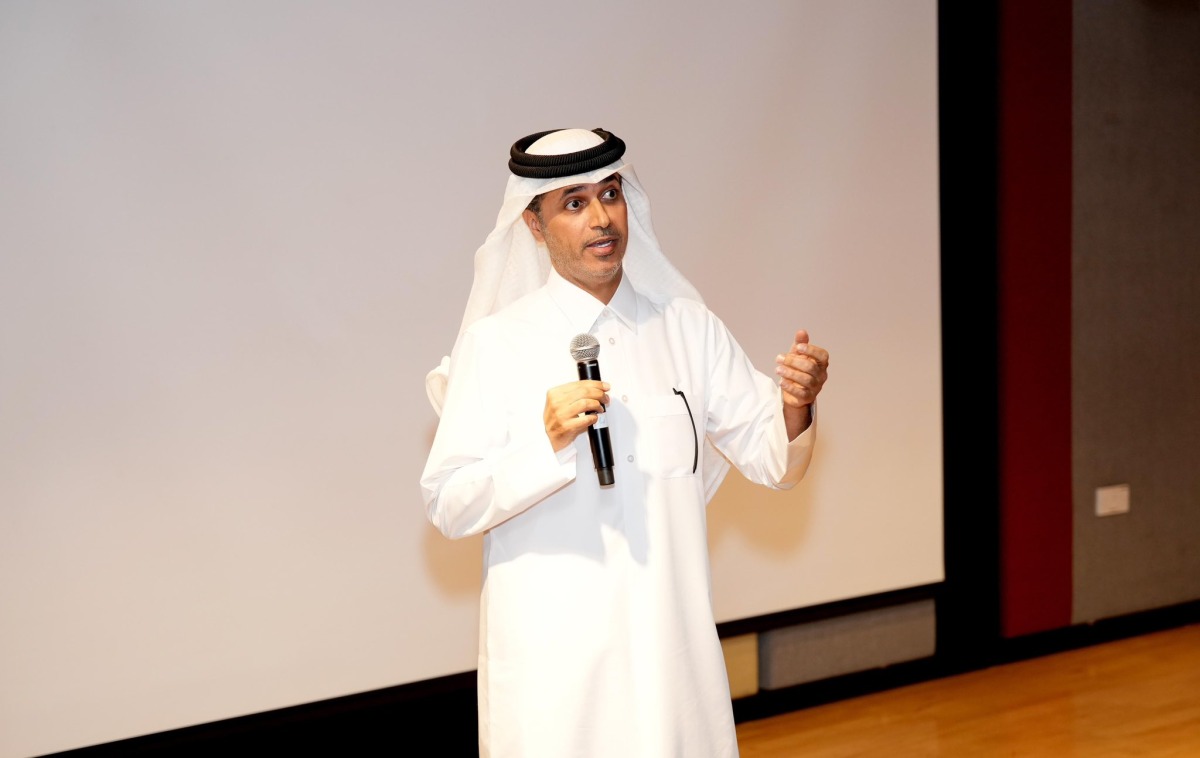

Doha, Qatar – The Qatar Media Corporation (QMC) recently engaged with future professionals at the University of Doha for Science and Technology (UDST), outlining the dynamic landscape of the media industry. The participation, which occurred during an introductory event for UDST’s Communication and Media Production program, aimed to provide students with insights into potential career paths and available educational support. The QMC’s involvement signifies a continued effort to cultivate local talent within Qatar’s growing media sector.
Prof. Khalid Al Shafi, Editor-in-Chief of The Peninsula and currently serving as a Media Advisor at QMC, led the session, alongside Amna Al Ghailan. The event, held at UDST, targeted students considering specializations within communication and media production. It focused on both the practical realities of the field and the financial aid options available to aspiring media professionals.
Understanding the Current Media Industry Landscape
Prof. Al Shafi’s presentation centered on the evolving nature of media industry work, encompassing traditional platforms like television and radio, as well as the rapidly expanding digital sphere. He detailed how the roles within media are becoming increasingly specialized, requiring a blend of creative skills, technical knowledge, and a strong understanding of media ethics. According to recent reports, Qatar is investing heavily in its media infrastructure and workforce, aiming to become a regional hub for content creation and distribution.
However, the presentation didn’t shy away from discussing the challenges facing the sector. Increasingly competitive job markets and the need for constant adaptation to new technologies were highlighted as key hurdles for upcoming graduates.
Opportunities for Higher Education
A significant portion of the QMC’s presentation detailed the educational opportunities readily available to students interested in pursuing a Bachelor’s degree in communication and media.
Prof. Al Shafi specifically underscored the scholarships offered by the Ministry of Education and Higher Education for students enrolled in the UDST program. The Ministry’s website outlines the eligibility criteria and application processes for these crucial financial resources. This support is intended to encourage Qatari nationals to enter and excel in the media production field.
Meanwhile, Amna Al Ghailan complemented Al Shafi’s remarks by providing a thorough overview of grants, specialized training programs, and professional development opportunities designed to boost students’ capabilities. These initiatives often involve partnerships between QMC and other leading media organizations both domestically and internationally.
The Rise of Digital Media and New Skillsets
The session also acknowledged the increasing importance of digital content creation and its impact on the overall media ecosystem. Traditional journalistic skills remain valuable, but proficiency in areas such as social media management, video editing, data analytics, and digital marketing are becoming essential for success.
In contrast to the past, media professionals today are often expected to be multi-skilled and adaptable, capable of producing content for various platforms and audiences. The UDST’s Communication and Media Production program appears to be evolving its curriculum to address these changing demands.
The QMC’s commitment to engaging with UDST students reflects a broader strategy to strengthen the connection between academia and the professional world of media. Additionally, this outreach aims to ensure a steady pipeline of qualified individuals to support the growth of Qatar’s media sector, in line with the national vision.
Looking ahead, the QMC and UDST are expected to continue their collaboration through internships, workshops, and joint research projects. The success of these initiatives will likely depend on ongoing investment in both educational resources and industry infrastructure to foster innovation and a skilled workforce. It remains to be seen how rapidly evolving technologies, particularly in the realm of artificial intelligence, will further reshape the media landscape and the skillsets needed to thrive within it.