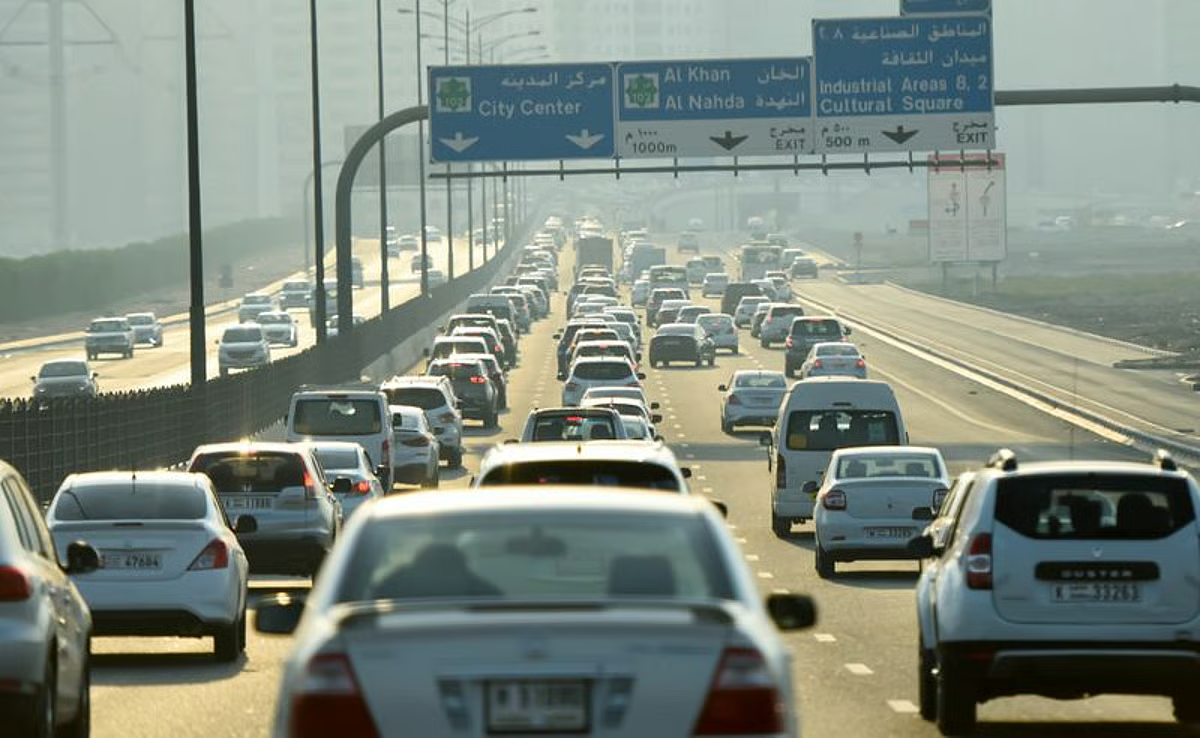

Commuters across the United Arab Emirates are facing significant traffic congestion this morning due to multiple reported accidents, primarily impacting key routes in Dubai and Sharjah. Delays are particularly acute on Sheikh Zayed Road and major feeder roads, prompting authorities to urge caution and adherence to reduced speed limits. The disruptions are affecting both inbound and outbound traffic, with increased travel times expected throughout the early morning rush hour.
The incidents began to accumulate shortly after dawn, with reports of collisions on Sheikh Zayed Road (E11) and the D61 highway leading towards Dubai. Simultaneously, several accidents in Sharjah’s industrial area are causing substantial backups for vehicles entering Dubai from the emirate. Traffic is also heavily impacted on the inbound lanes of E311 and Emirates Road (E611) originating from Muwaileh, exacerbating the overall situation.
Understanding the Current Traffic Congestion in the UAE
The UAE’s road network, while generally well-maintained, experiences increased pressure during peak hours and adverse weather conditions. While specific details about the accidents remain limited, authorities suggest that reduced visibility due to humidity and potential dust may be contributing factors. This heightened congestion is not unusual during the transition to cooler months when weather patterns can be unpredictable.
According to traffic monitoring reports, the delays are not isolated to the immediate accident locations. The ripple effect is causing slowdowns extending several kilometers in both directions on affected highways. This is particularly noticeable on Sheikh Zayed Road, a vital artery for commerce and daily commutes.
Safety Measures and Driver Guidance
In response to the increased incidents, the UAE’s traffic and police departments have issued a series of recommendations for drivers. These include maintaining a safe following distance, utilizing low-beam headlights to enhance visibility, and avoiding aggressive driving maneuvers such as sudden lane changes or overtaking.
Authorities are also strongly advising motorists to allocate additional time for their commutes, especially during the early morning period. Planning journeys in advance and exploring alternative routes, where feasible, are also encouraged to circumvent the worst of the delays. The focus remains on preventative measures to mitigate further incidents.
The Ministry of Interior has emphasized the importance of compliance with posted speed limits, stating that they are the most effective means of ensuring road safety under current conditions. Reduced speed limits are currently in effect on several key highways, and drivers are expected to adhere to these restrictions.
Impact on Commuters and Logistics
The current traffic situation is impacting a wide range of commuters, from daily office workers to school buses and delivery services. Businesses relying on timely transportation of goods are also likely to experience disruptions. The delays could potentially affect supply chains and lead to minor logistical challenges.
Public transportation options, such as the Dubai Metro and buses, may see increased ridership as individuals seek alternatives to driving. However, even these systems could experience indirect effects from the road congestion, potentially leading to slightly longer travel times. The Roads and Transport Authority (RTA) has not yet issued specific advisories regarding public transport, but is monitoring the situation.
Furthermore, the increased congestion contributes to higher fuel consumption and emissions, raising environmental concerns. While the impact of a single morning of delays is minimal, recurring incidents highlight the need for ongoing road safety initiatives and infrastructure improvements.
Authorities on High Alert for Ongoing Traffic Issues
Traffic and police authorities across the UAE are maintaining a heightened state of readiness, actively monitoring visibility levels and responding to new incidents as they arise. Response teams are deployed strategically along major highways to manage traffic flow and provide assistance to affected motorists.
The report indicates that a key priority is the swift clearing of accident sites to minimize disruption. This involves coordinating with emergency services, including ambulances and civil defense teams, to ensure efficient incident management. However, the sheer number of incidents is straining resources and prolonging clearance times.
The situation is further complicated by the potential for secondary accidents as drivers react to slowdowns and congestion. Authorities are emphasizing the need for extreme caution and awareness in these circumstances. Monitoring platforms are also being utilized to disseminate real-time traffic updates to drivers via social media and navigation apps.
Looking ahead, authorities will continue to monitor the situation throughout the day and adjust measures as needed. A further assessment of the traffic flow is expected following the peak morning commute. The long-term impact will depend on weather conditions and the number of new incidents reported, and further updates will be provided as the situation evolves. Continued vigilance by drivers and proactive management by traffic authorities will be crucial in mitigating further disruptions and ensuring road safety.