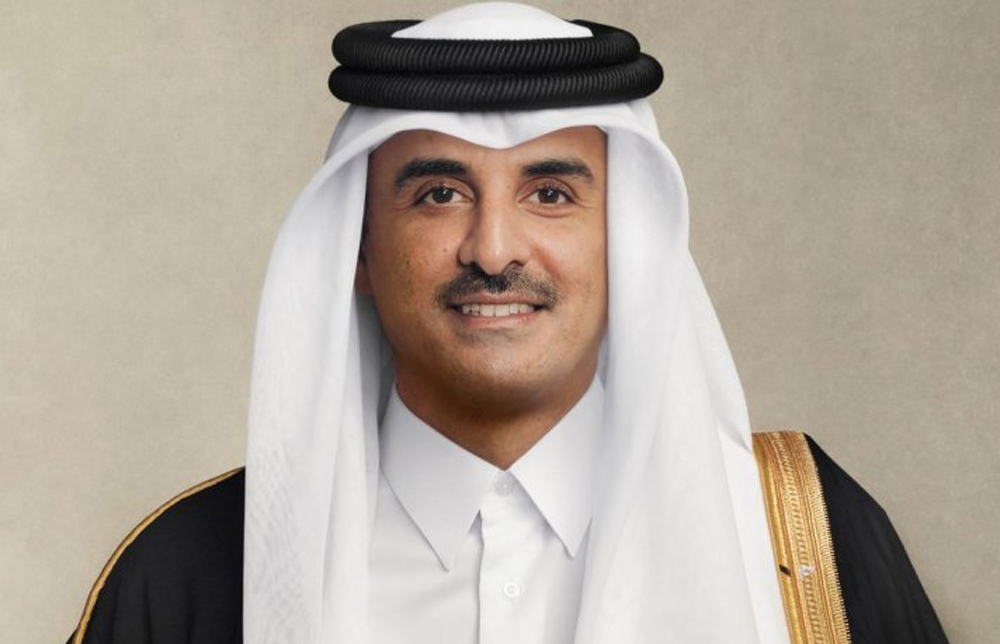

His Highness Sheikh Tamim bin Hamad Al-Thani, the Amir of Qatar, concluded an official visit to Rwanda on Friday and has proceeded to the Democratic Republic of the Congo. The Qatar visit to Kigali marked a significant diplomatic engagement, strengthening ties between the two nations. This trip is part of a broader regional tour focused on bolstering economic and political relationships across East and Central Africa, according to the Amiri Diwan.
Sheikh Tamim departed Kigali on February 24th, heading to Kinshasa for a state visit to the DRC. He is accompanied by a high-level official delegation, signaling the importance Qatar places on these bilateral discussions. The visit follows recent diplomatic efforts by Qatar to increase its presence and influence in the African continent.
Strengthening Qatar’s Diplomatic Ties in Africa
Qatar has been actively pursuing closer relationships with African nations in recent years, driven by a strategy to diversify its international partnerships and explore new investment opportunities. This increased engagement is also seen as a means of enhancing Qatar’s regional security and influence. The visits to Rwanda and the DRC represent a continuation of this policy, focusing on mutual economic benefits and political cooperation.
Rwanda Visit Highlights
While specific details of the discussions in Rwanda haven’t been fully disclosed, reports indicate that talks centered on potential investments in infrastructure, agriculture, and tourism. Rwanda, known for its rapid economic growth and commitment to technological innovation, presents an attractive partner for Qatar’s investment funds. The two countries also reportedly discussed collaboration in areas such as education and healthcare.
Additionally, discussions likely touched upon regional security concerns, including counter-terrorism efforts and conflict resolution in the Great Lakes region. Rwanda has been a key player in peacekeeping operations in Africa, and Qatar may be seeking to leverage this expertise. The visit builds upon existing agreements between the two nations, including those related to air transport services signed in 2021.
Focus on the Democratic Republic of the Congo
The DRC visit is particularly noteworthy given the country’s vast natural resources, including cobalt, copper, and diamonds. Qatar is a major energy producer and may be interested in exploring opportunities for investment in the DRC’s mining sector. However, the DRC also faces significant challenges, including political instability and ongoing conflict in its eastern regions.
According to analysts, Qatar’s engagement with the DRC could also focus on supporting infrastructure development, particularly in the energy and transportation sectors. The DRC’s large population and growing economy present a significant market for Qatari goods and services. The visit is expected to result in the signing of several agreements covering various areas of cooperation, including economic partnership and investment promotion.
Meanwhile, Qatar’s involvement in Africa isn’t without scrutiny. Some observers have raised concerns about the potential for geopolitical competition and the impact of foreign investment on local communities. However, Qatari officials maintain that their engagement is based on mutual respect and a commitment to sustainable development. The country’s foreign policy emphasizes non-interference in the internal affairs of other nations.
In contrast to some other international actors, Qatar’s approach to Africa has generally been characterized by a focus on economic partnerships rather than political conditionality. This strategy has resonated with some African leaders who are seeking to diversify their relationships and avoid dependence on traditional Western powers. The Qatar investment strategy appears to be long-term, focusing on building sustainable partnerships.
The outcome of Sheikh Tamim’s visit to the DRC remains to be seen. Negotiations are expected to continue in the coming weeks, with a formal announcement of agreements anticipated shortly. The success of these engagements will depend on Qatar’s ability to navigate the complex political and economic landscape of the DRC and address concerns about transparency and accountability. Further details regarding specific investment commitments and policy changes are expected to emerge following the conclusion of the state visit. The Qatar government will likely release a statement outlining the key outcomes of the trip. The Qatar-Africa relationship is one to watch as it develops.
Looking ahead, the focus will be on the implementation of any agreements reached during the visits. Monitoring the progress of these initiatives and assessing their impact on the economies and societies of Rwanda and the DRC will be crucial. The long-term implications of Qatar’s increased engagement in Africa remain uncertain, but the current trajectory suggests a growing and increasingly significant role for the Gulf state in the region.
Related secondary keywords: diplomatic relations, foreign investment, East Africa.