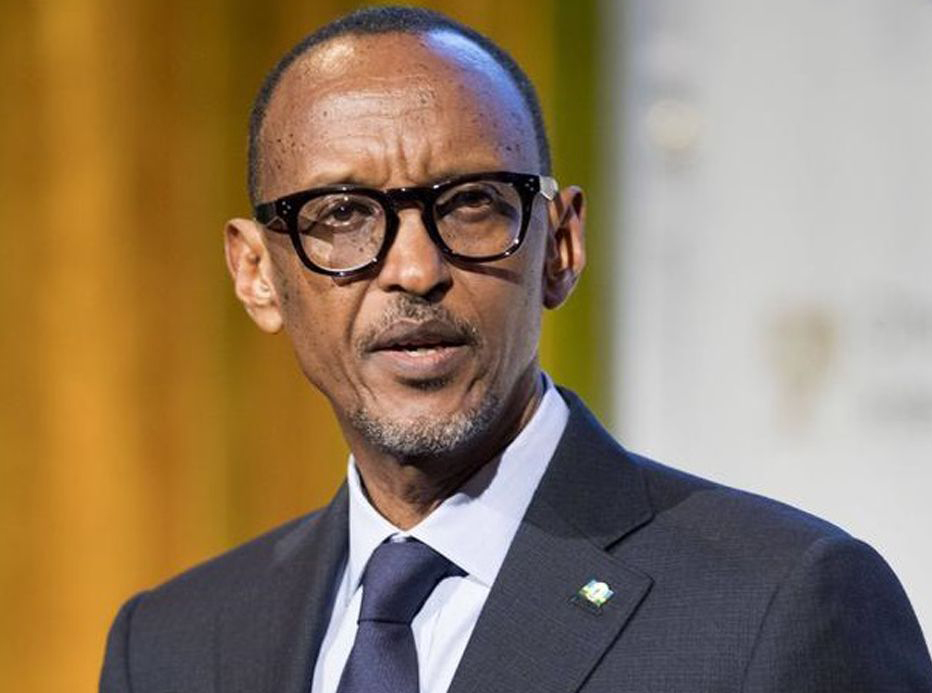

Rwanda and Qatar are strengthening ties following a recent visit by His Highness Sheikh Tamim bin Hamad Al Thani, Amir of the State of Qatar, to Kigali. Rwandan President Paul Kagame publicly praised the visit and the discussions held, signaling a deepening Qatar-Rwanda relations. The visit, concluded on November 21, 2023, aims to bolster economic and political cooperation between the two nations.
The Amir’s trip to Rwanda marks a significant step in expanding Qatar’s influence in East Africa and Rwanda’s access to investment opportunities. President Kagame expressed his appreciation for the “strong partnership” and “personal friendship” with Sheikh Tamim, noting its role in guiding bilateral cooperation. This visit follows increased diplomatic activity between the two countries in recent years.
Strengthening Qatar-Rwanda Relations Through Investment and Diplomacy
The core of the discussions between the Amir and President Kagame centered on increasing investment in Rwanda’s key sectors. These include tourism, infrastructure, and agriculture, according to statements released by both governments. Qatar has demonstrated a growing interest in African markets, seeking diversification beyond traditional energy investments.
Key Areas of Potential Collaboration
Several specific areas were highlighted as potential avenues for collaboration. These include:
- Infrastructure Development: Rwanda is undertaking significant infrastructure projects, and Qatari firms are exploring opportunities to participate in these initiatives.
- Tourism Sector: Qatar Airways could potentially expand its routes to Kigali, boosting tourism and connectivity.
- Agricultural Investment: Qatar is looking at investing in Rwanda’s agricultural sector to enhance food security and export capabilities.
Additionally, discussions touched upon regional security and counter-terrorism efforts. Both Qatar and Rwanda share concerns about instability in the broader East African region and expressed a commitment to working together to address these challenges. This collaboration extends to intelligence sharing and capacity building, officials indicated.
However, some analysts suggest that the relationship is also driven by Qatar’s desire to secure support for its international initiatives and counter potential diplomatic isolation. Rwanda, under President Kagame, has often taken independent stances on international issues, making it a valuable partner for Qatar in diversifying its diplomatic network.
Meanwhile, Rwanda stands to benefit from Qatar’s substantial sovereign wealth fund, the Qatar Investment Authority (QIA). The QIA has a history of investing in high-growth economies, and Rwanda’s relatively stable political environment and economic reforms make it an attractive destination. The potential for Qatari investment could significantly accelerate Rwanda’s economic development plans.
In contrast to some Western nations’ cautious approach to engaging with Rwanda due to human rights concerns, Qatar has maintained a more pragmatic relationship. This approach allows for continued dialogue and cooperation on areas of mutual interest, such as economic development and security. The differing perspectives on governance do not appear to have hindered the strengthening of bilateral ties.
The visit also comes amidst a broader trend of increased engagement between Gulf states and African nations. Saudi Arabia, the United Arab Emirates, and others are all actively seeking to expand their economic and political influence on the continent. This competition for influence is likely to benefit African countries by providing them with more options for investment and partnership. Economic partnership is a key driver of these relationships.
Looking ahead, the next step will be the implementation of the agreements and understandings reached during the Amir’s visit. Specific timelines and details of investment projects are expected to be announced in the coming months. It remains to be seen how quickly these commitments will translate into concrete results, and the impact of global economic conditions on investment flows will also be a factor to watch. Further developments in diplomatic relations will likely unfold in early 2024.
The success of this partnership will depend on continued political stability in both countries and a commitment to addressing any potential challenges that may arise.