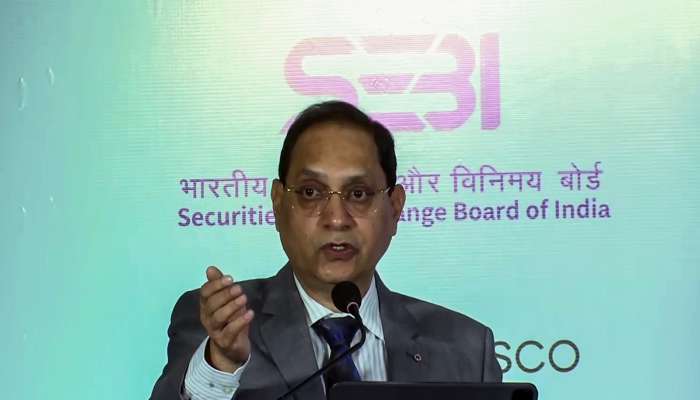

The Securities and Exchange Board of India (SEBI) has clarified its stance on the burgeoning market of digital gold investments, reassuring investors that no new regulatory framework is currently under consideration. This announcement, made by SEBI Chairman Tuhin Kanta Pandey on Friday, aims to provide clarity amidst the growing popularity of different avenues for investing in gold. Pandey addressed the media on the sidelines of the National Conclave on REITs and InvITs-2025, outlining the regulator’s existing approach and sharing insights into the future of alternative investment vehicles.
SEBI Maintains Current Regulations for Digital Gold
Currently, SEBI recognizes and regulates gold investments made through two primary channels: Gold Exchange-Traded Funds (ETFs) offered by mutual funds, and tradable gold securities. Chairman Pandey explicitly stated the regulator’s focus remains on these established instruments, reiterating that they fall within the existing regulated framework.
“Our gold regulations have already been explained through a press release. Gold investment can be done either through gold investment ETFs, which mutual funds offer, or through tradable gold securities. These are the products included in the regulated space, so for now we are focused only on these products,” Pandey explained. This signals a ‘wait and watch’ approach regarding newer forms of digital gold investment that may emerge, suggesting SEBI is content with the current level of investor protection offered through existing mechanisms. The clarification alleviates concerns about potential immediate disruptive regulation that some industry participants may have anticipated.
Existing Regulatory Framework: ETFs & Tradable Securities
Gold ETFs allow investors to gain exposure to gold’s price movements without physically owning the metal. These funds hold physical gold and are traded on stock exchanges like equities. Tradable gold securities, on the other hand, offer a similar exposure, often backed by a depository receipt representing physical gold. SEBI’s existing regulations surrounding these products aim to ensure transparency and protect investors from fraudulent practices.
REITs and InvITs: Expanding India’s Financial Landscape
Beyond digital gold, Pandey highlighted the increasing importance of Real Estate Investment Trusts (REITs) and Infrastructure Investment Trusts (InvITs) in India’s financial markets. These instruments represent a significant opportunity to channel funds into vital sectors and contribute to economic growth. Their inclusion into broader market indices, however, is contingent on specific criteria.
Index Inclusion: Liquidity & AUM are Key
The Chairman emphasized that the inclusion of REITs and InvITs in major Indian market indices, like the Nifty or Sensex, is primarily dependent on two factors: improved liquidity and substantial growth in Assets Under Management (AUM). “When liquidity improves and the size of the industry grows, the chances of these instruments being considered for index inclusion also increase,” he noted.
While MSCI India already incorporates these instruments into its calculations, Pandey indicated that domestic indices will follow suit as the sector matures and meets the required benchmarks. He stressed the importance of adhering to predefined rules governing index composition, ensuring a consistent and transparent process. Increased index participation is expected to significantly bolster liquidity and attract a wider range of investors to these alternative investment options. This broader participation will ultimately deepen the market and improve price discovery, benefitting both issuers and investors in investment trusts.
Streamlining Mutual Fund Investments in REITs & InvITs
SEBI also announced a clarification regarding the classification of REITs and InvITs for mutual fund investment purposes. Previously, both were categorized together. However, to offer greater flexibility and clarity to fund managers, the regulator has now separated their classifications.
This revised structure designates REITs as “equity” for mutual fund scheme allocations, while InvITs will continue to be classified under the “hybrid” category. According to Pandey, this change will provide mutual funds with greater discretion and “elbow room” when allocating investments to these increasingly popular instruments. The move is intended to encourage greater participation from mutual funds, bolstering the growth and liquidity of the REIT and InvIT markets. This revision related to asset allocation will allow fund managers to tailor their portfolios more effectively according to their investment objectives.
In conclusion, SEBI’s clarification regarding digital gold provides a stabilizing influence, confirming that current regulations are sufficient for the time being. Simultaneously, the regulator is actively fostering the growth of REITs and InvITs, recognizing their vital role in India’s financial ecosystem. The ongoing focus on improving liquidity, AUM, and classification clarity underscores SEBI’s commitment to fostering a dynamic and robust investment landscape in India. Investors interested in learning more about these instruments are encouraged to consult with financial advisors and explore the resources available on the SEBI website.