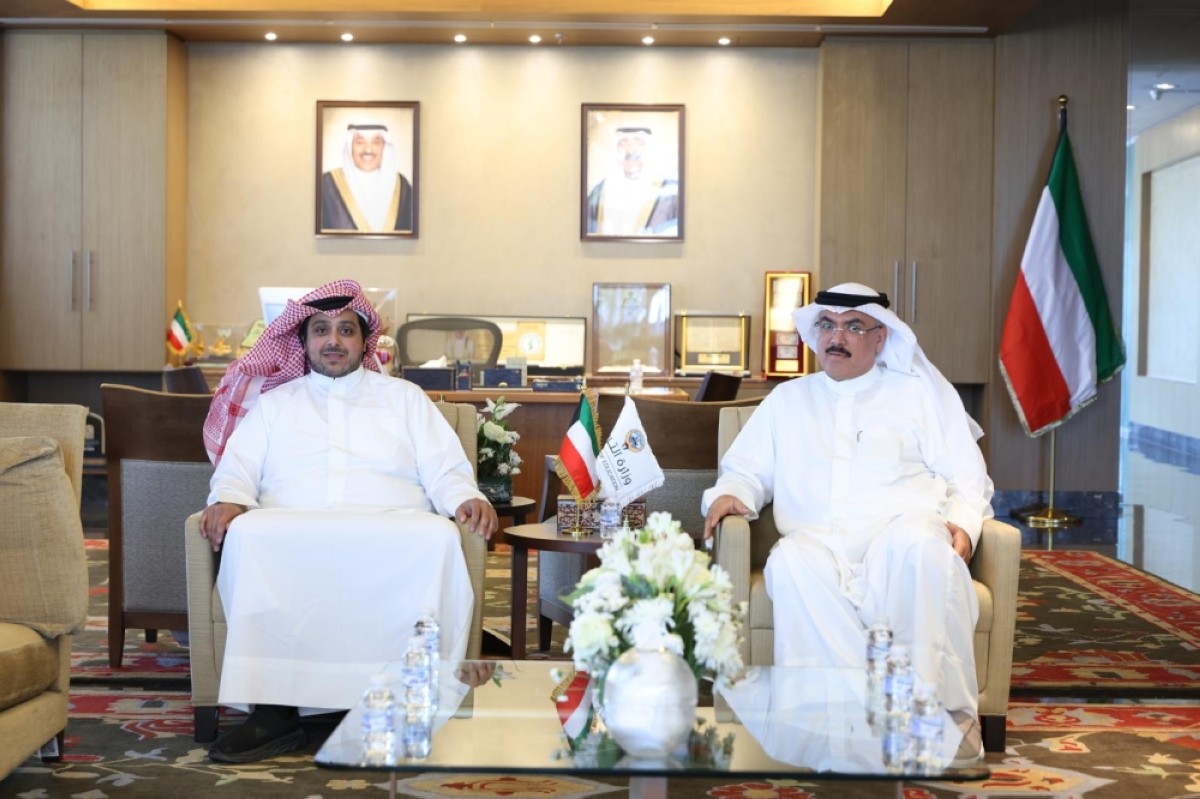

Kuwait’s education system is undergoing significant changes as the Ministry of Education works to revamp its leadership training and promotion processes for teachers. A recent meeting between Education Minister Jalal Al-Tabtabaei and the head of the Teachers Society signals a continued push for reform, addressing long-standing issues of lengthy waiting times and perceived inequities in accessing supervisory roles. This overhaul aims to improve teacher development and ensure a more efficient and transparent system for advancement within Kuwait’s schools.
Addressing Decades of Backlog in Educational Leadership
For years, Kuwaiti educators have faced considerable hurdles in progressing to leadership positions. The previous system, reliant on waiting lists, saw teachers languishing for extended periods – sometimes six to seven years, and in certain specializations, exceeding four decades – before having the opportunity for promotion to roles like vice-principal, department head, or kindergarten supervisor.
The Scale of the Problem
The situation was particularly acute in specific areas. Reports in local Arabic media highlighted a stark disparity between the number of applicants and available positions. A staggering 967 kindergarten teachers were reportedly waiting for just 22 open supervisory roles, illustrating the depth of the backlog and the frustration experienced by many educators. This prolonged waitlist system lacked clear criteria, further exacerbating the issue and creating a sense of stagnation within the profession.
Implementing Decision 116/2025: A New Path Forward
To address these systemic issues, the Ministry of Education introduced Decision 116/2025 earlier this year. This decision replaced the waiting-list system with a new, merit-based approach centered around electronic tests, interviews, a structured multi-year training program, and updated experience requirements. The goal was to create a fairer and more transparent process for selecting educational leaders and boosting professional development opportunities.
The introduction of the new system hasn’t been without its challenges. While some teachers welcome the increased transparency and perceived fairness of the new criteria, others have expressed concerns about the rigor of the standards and their potential impact on specific groups.
Legal Validation and Ongoing Concerns
Recently, the administrative court upheld Minister Al-Tabtabaei’s decision following a lawsuit challenging the new rules. This ruling effectively requires all applicants to reapply under the updated system, affirming that no appointments based on the previous criteria would be finalized.
However, concerns remain. A group of kindergarten teachers recently voiced their grievances via social media, claiming the new experience thresholds are inconsistent across different specialties. They have appealed for a reevaluation of the criteria to ensure equitable treatment for all applicants. This highlights the ongoing need for dialogue and adjustment as the new system is implemented. Leadership training programs are therefore a key part of what is being revamped.
Collaborative Efforts and Future Plans
The recent meeting between Minister Al-Tabtabaei and Hamad Al-Holi, Head of the Teachers Society, underscored a commitment to collaboration and continuous improvement. Discussions focused on refining leadership courses to better reflect the diverse backgrounds of candidates and aligning academic content with the evolving needs of the education sector.
The ministry and the Society are also exploring innovative testing models tailored to specific job types and specialties. These assessments aim to identify candidates who possess the skills and qualities necessary to lead educational work effectively and responsibly.
Focus on New Teacher Support and Inclusive Education
Beyond supervisory roles, the conversation extended to strengthening support for new teachers. Plans are underway to develop a comprehensive training program focused on essential classroom management techniques and modern teaching methodologies.
Additionally, recognizing the growing number of inclusion classrooms catering to students with learning difficulties, Minister Al-Tabtabaei emphasized the need for specialized training to equip teachers with the skills to manage these environments “efficiently and flexibly.” He stressed that well-prepared teachers are essential for facilitating the successful integration of all students into the classroom, enabling them to receive the support they require.
The ministry also proposed implementing a “certificate of good conduct” as a requirement for supervisory applicants, reinforcing ethical standards and promoting integrity in the selection process.
Looking Ahead: A Commitment to Kuwaiti Education
The Ministry of Education and the Teachers Society have affirmed their continued collaboration to support teachers, enhance their professional performance, and ultimately strengthen the quality of education across Kuwait’s schools. This ongoing dialogue and the implementation of Decision 116/2025 represent a significant step toward a more dynamic and equitable education system, prioritizing robust teacher development and effective educational leadership for future generations. The reforms are intended to create lasting improvements for both educators and students within Kuwait.