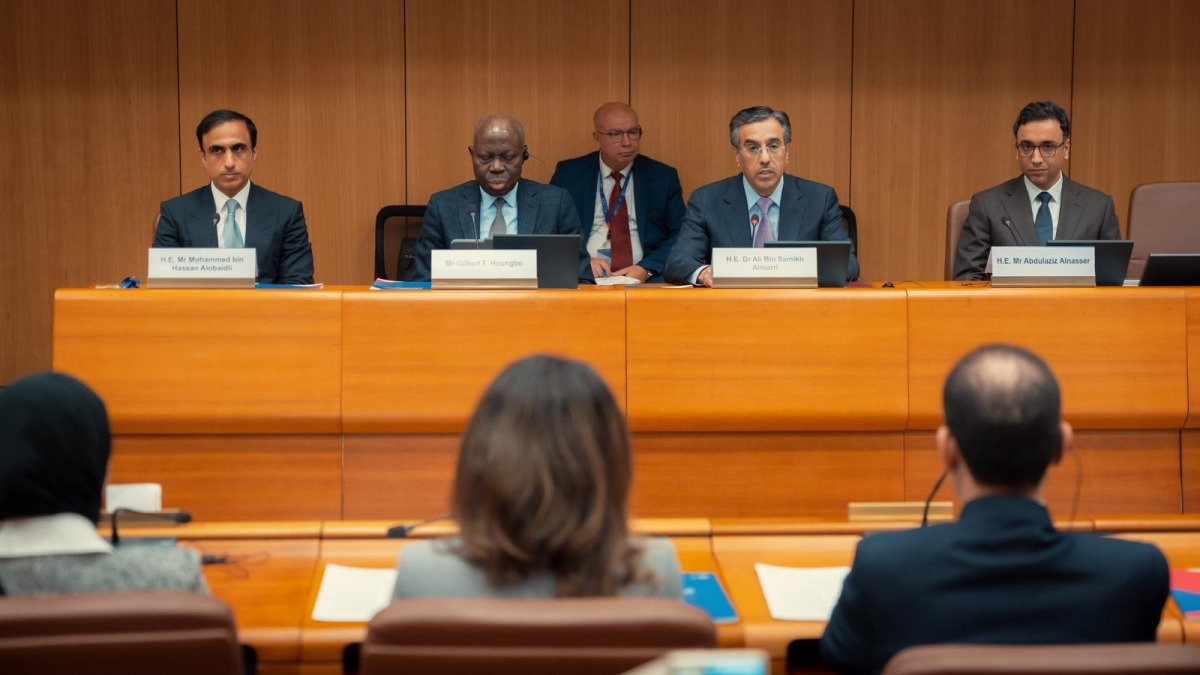

Doha – Qatar’s Minister of Labour, H.E. Dr. Ali bin Smaikh Al Marri, participated in a high-level briefing in Geneva focused on Wage Protection Systems (WPS) within the Gulf Cooperation Council (GCC) states. The session, held on the sidelines of the International Labour Organization (ILO) Governing Body meetings, highlighted a joint study examining the evolution of WPS across the region and reaffirmed the GCC’s commitment to fair labor practices. This initiative underscores ongoing efforts to improve worker welfare and align with global sustainability goals.
The briefing, organized by the Executive Bureau of the Council of Ministers of Labour and Social Affairs in the GCC States, with support from Qatar and the GCC’s permanent missions in Geneva, showcased the findings of the collaborative ILO study. The meeting took place yesterday, November 21, 2023, and involved discussions on strengthening labor market governance and promoting decent work conditions throughout the GCC.
The Evolution of Wage Protection Systems in the GCC
The GCC’s experience with wage protection has developed into a recognized model for regional and international implementation, according to the Ministry of Labour. The transition from traditional regulatory approaches to integrated digital platforms has demonstrably increased transparency and compliance, ensuring workers receive timely wage payments. This, in turn, fosters greater trust between employers and employees and contributes to long-term labor market stability.
Dr. Al Marri emphasized that this progress is rooted in a firm political commitment from GCC governments to balance robust worker protections with the continued growth of the private sector. This framework is built on transparency, accountability, and constructive dialogue with international partners like the ILO. The study indicates a shared resolve to uphold social justice and reinforce workers’ rights.
Qatar’s Leading Role in Labor Reforms
Qatar has been at the forefront of labor market reforms in the region, and the Minister reaffirmed that wage protection remains a central pillar of these efforts. The country has implemented a comprehensive system including an electronic WPS, streamlined dispute resolution processes, and the Workers’ Support and Insurance Fund. These mechanisms collectively support the broader agenda of social justice and the objectives of the Global Coalition for Social Justice.
Additionally, the Ministry of Labour has focused on enhancing access to justice for workers and improving working conditions across various sectors. These reforms are designed to attract and retain skilled labor, contributing to Qatar’s economic diversification goals. The implementation of these systems has been a key component of Qatar’s National Vision 2030.
Meanwhile, Dr. Al Marri also held bilateral meetings with Secretary-General of the International Organisation of Employers (IOE), H.E. Roberto Suárez Santos, and Vice-Chair of the ILO Governing Body, Mathias Thorns. These discussions centered on strengthening cooperation between Qatar and the IOE, exploring strategies to further develop their partnership. The meetings reflect Qatar’s dedication to engaging with international stakeholders to promote social dialogue, decent work, and sustainable economic development.
In contrast to earlier practices, the current WPS framework allows for quicker identification and resolution of wage-related disputes. This proactive approach minimizes disruptions and ensures workers are not unduly burdened by payment delays. The Ministry reports a significant decrease in wage complaints since the full implementation of the electronic WPS.
Looking ahead, the GCC states are expected to continue refining their wage protection mechanisms based on the findings of the joint ILO study. Further collaboration with the ILO and other international organizations is anticipated to address emerging challenges and ensure the long-term effectiveness of these systems. The next steps will likely involve the development of standardized reporting metrics and the implementation of best practices across all GCC member states. The timeline for these developments remains uncertain, but continued monitoring of the GCC’s progress in this area is warranted.
International Labour Organization provides further information on global labor standards. Qatar’s Ministry of Labour details ongoing reforms. Information on International Organisation of Employers is also available online.