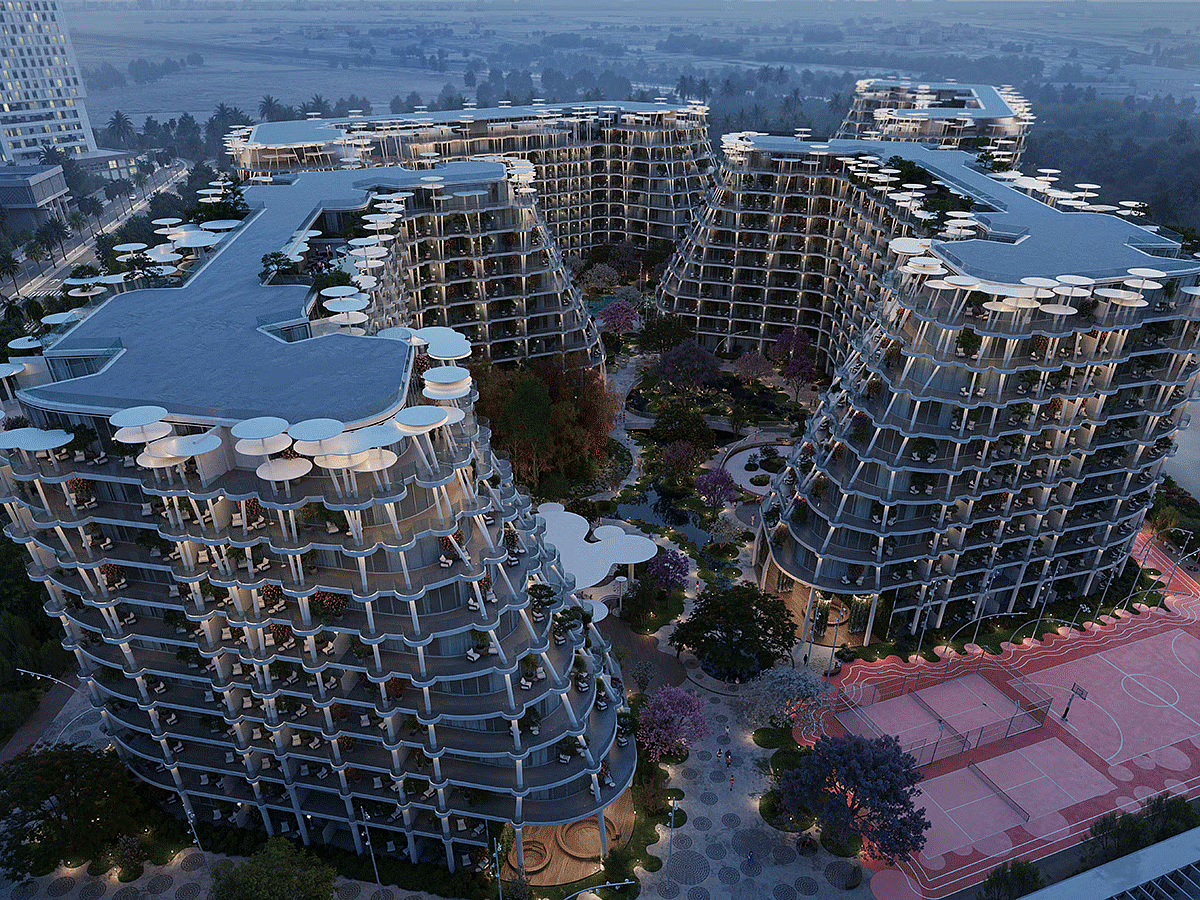

Demand for suburban living is increasing in Dubai, with developers responding to a growing preference for spacious, community-focused environments. HRE Development recently launched Sakura Gardens, a 49,000 sqm project in Dubailand, offering a mix of apartments and townhomes designed to cater to this shift towards low-rise communities. The project aims to provide residents with a self-contained lifestyle emphasizing tranquility and convenience.
Located in Dubailand, Sakura Gardens will encompass 127,500 sqm of built-up area and offer units ranging from studios to three-bedroom apartments, as well as townhomes. HRE Development anticipates strong interest from families and professionals seeking alternatives to the more densely populated core districts of Dubai, or looking for investment opportunities with potential for rental income and property value growth. The launch event took place earlier this week, signaling a new phase in Dubailand’s expansion.
The Rise of Low-Rise Communities in Dubai
The trend towards low-rise communities reflects a broader change in lifestyle preferences observed globally, but particularly pronounced in rapidly developing urban centers like Dubai. After a period of high-density development, many residents are now prioritizing space, greenery, and a stronger sense of community. This is partially a response to the experiences during the COVID-19 pandemic, which highlighted the importance of home as a central hub for work, leisure, and family life.
Factors Driving Demand
Several factors are contributing to this shift. Increasing property prices in central Dubai are making it financially challenging for some to afford larger homes in prime locations. Additionally, the desire for a more relaxed pace of life, coupled with a growing awareness of the benefits of proximity to nature, is attracting residents to suburban areas. According to recent reports from property consultancies, sales of townhouses and villas in Dubai’s suburban areas have consistently outperformed apartment sales in core districts over the past year.
Wissam Breidy, CEO of HRE Development, explained the philosophy behind Sakura Gardens, stating the project is designed to offer a respite from the fast-paced city life. He emphasized the intention to create a community where residents can access all essential amenities without relying heavily on personal vehicles, inspired by principles of Japanese design and a focus on tranquility. This concept of “peace as luxury” is central to the project’s vision.
Dubailand’s ongoing expansion is also playing a key role. The area is undergoing significant infrastructure development, including improved road networks and the addition of new retail and entertainment facilities. This makes Dubailand an increasingly attractive location for both residents and investors. The Dubai Land Department has reported a steady increase in property transactions within Dubailand over the last several quarters.
However, the success of these low-rise communities is dependent on continued investment in infrastructure and amenities. Ensuring adequate public transportation links and access to essential services will be crucial to attracting and retaining residents. Furthermore, developers need to prioritize sustainable design principles to minimize the environmental impact of these expanding suburban areas.
Sakura Gardens’ design incorporates elements intended to foster a sense of community, including courtyards, shaded walkways, and a central park. This focus on communal spaces is a key differentiator for many new developments targeting families and those seeking a more social lifestyle. The project also aims to appeal to investors seeking higher rental yields, as demand for quality suburban housing continues to rise.
In contrast to the high-rise developments that previously dominated Dubai’s skyline, these low-rise communities offer a different type of urban experience. They prioritize horizontal expansion over vertical density, creating a more spacious and relaxed environment. This shift is also influencing architectural trends, with a greater emphasis on landscaping, outdoor living spaces, and pedestrian-friendly designs.
The availability of off-plan properties in Dubailand, like Sakura Gardens, provides opportunities for investors to enter the market at potentially favorable prices. However, potential buyers should carefully consider the completion timelines and the overall development plan for the area. Market analysis suggests that areas with well-defined masterplans and strong infrastructure support are likely to experience the greatest capital appreciation.
Looking ahead, HRE Development expects to commence construction on Sakura Gardens in the coming months, with completion anticipated within two to three years. The project’s success will be closely watched by other developers as an indicator of the continued demand for suburban living in Dubai. Further developments in Dubailand’s infrastructure and the overall economic climate will also be key factors influencing the future of real estate in the area. The Dubai government’s ongoing initiatives to promote sustainable urban development will also shape the evolution of these residential communities.