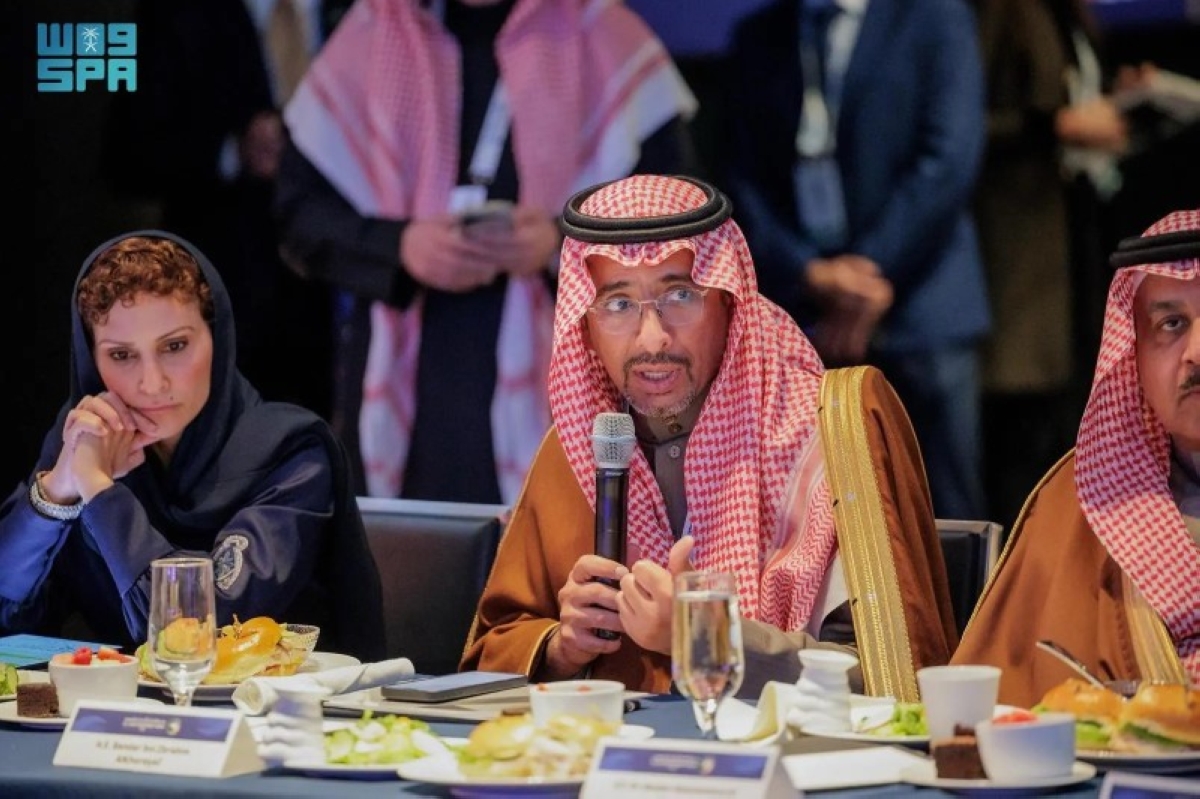

Saudi Arabia is actively courting investment from U.S. companies in its rapidly expanding pharmaceutical industry, alongside opportunities in vaccine development and medical device manufacturing. Minister of Industry and Mineral Resources Bandar Alkhorayef made this appeal during a roundtable meeting with leading American healthcare firms in Washington D.C. on Wednesday, as part of the Saudi-US Investment Forum 2025 preparations. The move signals a significant push to bolster the Kingdom’s healthcare independence and establish itself as a global industrial center.
The meeting, themed “Developing healthcare through innovation and biotechnology,” focused on the substantial investment potential within Saudi Arabia’s healthcare sector. Alkhorayef outlined the support offered by the Ministry of Industry and Mineral Resources to encourage investment, localize technologies, and ultimately achieve national health security, according to a ministry statement. This initiative aligns with broader economic diversification goals outlined in Saudi Arabia’s Vision 2030 plan.
Investing in Saudi Arabia’s Pharmaceutical Future
Saudi Arabia’s healthcare market is currently valued at approximately $70 billion, with the pharmaceutical market alone reaching $11.5 billion and medical devices accounting for another $6.5 billion. This growth is fueled by national initiatives like the Local Content Program and the Health Sector Transformation Program, which aim to modernize and expand healthcare access within the Kingdom. The government is actively seeking to reduce reliance on imports and build a robust domestic manufacturing base.
Key Investment Areas
The Kingdom is particularly focused on attracting investment in vaccine and biopharmaceutical production. The Vaccine and Biopharmaceutical Industry Committee is playing a crucial role in streamlining regulations, increasing transparency, and attracting leading global companies. This committee aims to accelerate the localization of the pharmaceutical industry and foster a more attractive environment for both local and international investors.
Additionally, opportunities exist in the development and manufacturing of advanced medical equipment. Saudi Arabia is looking to leverage cutting-edge technologies, including those associated with the Fourth Industrial Revolution and artificial intelligence, to enhance the competitiveness of its industries. The ministry highlighted the Kingdom’s competitive advantages, such as affordable energy prices and a developing digital infrastructure.
According to the ministry, the ongoing industrial transformation is designed to enhance the global competitiveness of Saudi industries. This includes accelerating the adoption of advanced manufacturing technologies within factories. The Kingdom’s strategic location and growing economy are also seen as attractive factors for potential investors.
The Saudi-US Investment Forum 2025 is intended to further facilitate these partnerships. The forum aims to connect U.S. businesses with opportunities across various sectors, with a particular emphasis on healthcare and technology. Eng. Saleh Al-Solami, CEO of the National Industrial Development Center, and other leaders from the Kingdom’s industry and mineral resources sector participated in the Washington meeting.
This push for foreign investment in the pharmaceutical sector is part of a broader strategy to diversify the Saudi economy away from its traditional reliance on oil. The National Industrial Strategy, a key component of Vision 2030, prioritizes the localization of strategic industries, including healthcare. This strategy seeks to create jobs, stimulate economic growth, and enhance the Kingdom’s long-term sustainability.
However, challenges remain. Successfully attracting and retaining foreign investment requires continued regulatory reform and a skilled workforce. The Kingdom is investing in education and training programs to address these needs, but the development of a fully qualified workforce will take time. Competition from other emerging markets also presents a challenge.
The ministry emphasized the importance of building effective international partnerships, transferring technology and knowledge, and attracting high-quality foreign investments to achieve its goals. The focus on pharmaceutical manufacturing and related industries reflects a growing global trend towards regionalizing supply chains and ensuring greater resilience in the face of potential disruptions. The development of a strong domestic pharmaceutical industry is also seen as crucial for public health security.
Looking ahead, the Saudi government is expected to continue actively promoting investment opportunities in the healthcare sector. The Saudi-US Investment Forum 2025, scheduled for next year, will be a key event for gauging the level of interest from U.S. companies. Further details regarding specific investment incentives and regulatory changes are anticipated in the coming months, and the success of these efforts will be a key indicator of the Kingdom’s progress towards achieving its Vision 2030 objectives. The extent to which these initiatives translate into concrete investments and tangible economic benefits remains to be seen.
The development of the pharmaceutical and medical device industries will also likely impact regional healthcare access and affordability.