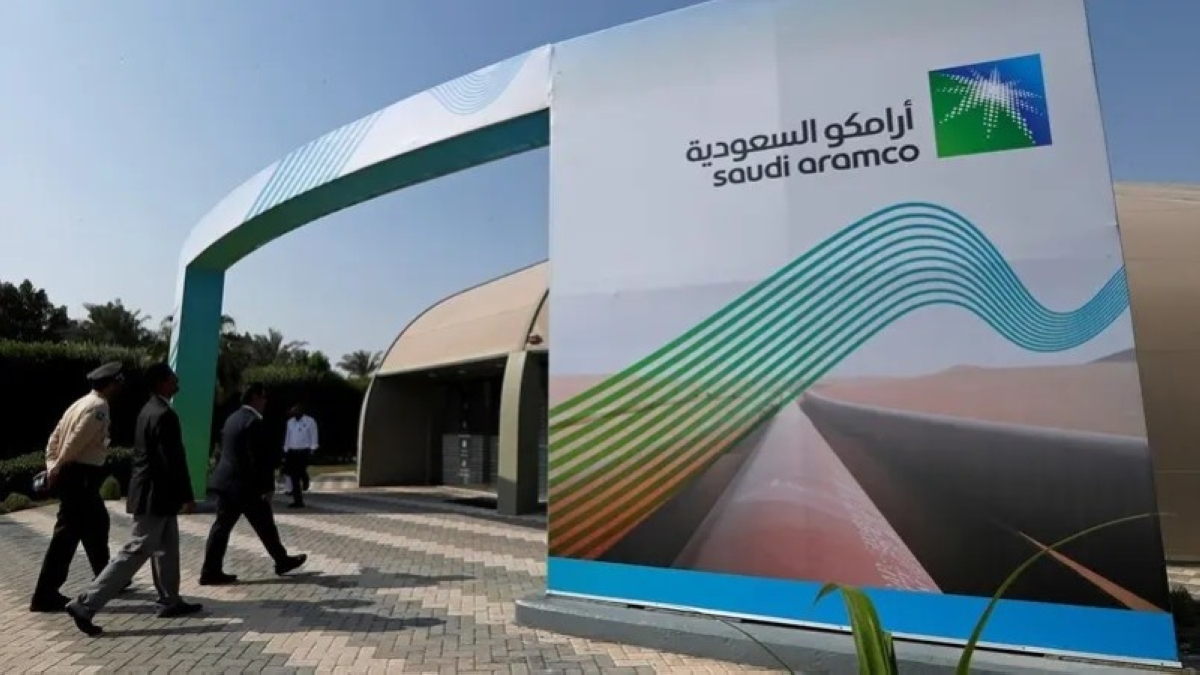

WASHINGTON — Saudi Aramco has solidified its investment in the United States with the signing of 17 memoranda of understanding (MoUs) and agreements valued at over $30 billion. These deals, announced during the visit of Saudi Crown Prince Mohammed bin Salman, focus on expanding collaboration with U.S. companies across multiple sectors, including liquefied natural gas (LNG), advanced materials, and financial services. The agreements build upon previous commitments made during President Trump’s 2017 visit to Saudi Arabia.
The announcements, made on the sidelines of the Saudi-U.S. Investment Forum in Washington, D.C., represent a significant boost to economic ties between the two nations. Aramco’s Group Companies are the primary entities involved in these partnerships, which aim to support the company’s strategic growth and enhance shareholder value. The total potential value of collaboration opportunities with U.S. firms now reaches approximately $120 billion, according to Aramco.
Strengthening Aramco’s U.S. Investment Portfolio
This latest round of agreements underscores Saudi Aramco’s commitment to diversifying its energy portfolio and expanding its global reach. The company is actively seeking opportunities to increase its presence in the U.S. energy market, particularly in the rapidly growing LNG sector. Several MoUs directly address this, including potential investment in the Lake Charles LNG project with MidOcean Energy and a separate LNG project in Louisiana.
Focus on LNG and Energy Infrastructure
Aramco Trading also signed agreements for the potential purchase of LNG and natural gas from Commonwealth LNG. These deals are strategically important as the United States becomes a major exporter of LNG, particularly to Europe and Asia. The increased demand for cleaner energy sources is driving investment in LNG infrastructure globally.
However, the expansion of LNG infrastructure faces challenges, including environmental concerns and permitting delays. The pace of these projects will depend on navigating these hurdles and securing necessary approvals.
Continued Partnerships with Key U.S. Suppliers
Beyond LNG, Aramco reaffirmed its long-standing relationships with several major U.S. energy service companies. New contracts and agreements were signed with SLB, Baker Hughes, McDermott, Halliburton, Nesr, KBR, Flowserve, NOV, Worley, and Fluor. These companies provide critical materials and professional services that support Aramco’s projects and operations worldwide.
These ongoing relationships, dating back to the 1930s, are a testament to the enduring partnership between Saudi Aramco and U.S. firms. Aramco President and CEO Amin Nasser emphasized the historical role of U.S. companies in the company’s success, from the initial oil production in Saudi Arabia to the development of advanced technologies.
Implications for the U.S. Energy Market
The influx of investment from Saudi Aramco is expected to create jobs and stimulate economic growth in the U.S. energy sector. The agreements will likely lead to increased activity in areas such as manufacturing, construction, and engineering. Furthermore, the partnerships could facilitate the transfer of technology and expertise between the two countries.
Meanwhile, the agreements also reflect Saudi Arabia’s broader strategy to diversify its economy away from its reliance on crude oil. Investing in LNG and other energy sectors is a key component of this plan. This diversification is driven by both economic considerations and a desire to address climate change concerns.
The agreements also come at a time of heightened geopolitical tensions. Strengthening energy ties with the U.S. could provide Saudi Arabia with greater security and stability. The U.S., in turn, benefits from a reliable energy partner and increased investment.
The LNG deals are particularly noteworthy given the global energy crisis and the push for energy independence in Europe. Increased U.S. LNG exports can help to alleviate supply shortages and reduce reliance on Russian gas. This aligns with U.S. foreign policy objectives and strengthens its position as a global energy leader.
Additionally, the focus on advanced materials manufacturing suggests Aramco is looking to expand its downstream operations in the U.S., creating more value-added products and reducing its dependence on exporting raw materials. This move aligns with broader industry trends towards greater integration and diversification.
The agreements also highlight the growing importance of energy transition technologies. While Aramco remains a major oil producer, it is also investing in technologies that can help to reduce carbon emissions and promote sustainable energy solutions. This includes research and development in areas such as carbon capture and storage.
Looking ahead, the next step will be the detailed negotiation and finalization of the agreements outlined in the MoUs. The timeline for these projects will vary, but many are expected to move forward in the coming months. Analysts will be watching closely to see how these partnerships develop and what impact they have on the U.S. and global energy markets. The success of these ventures will depend on factors such as regulatory approvals, market conditions, and geopolitical stability.